How Are Next-Gen AI Learning Machines Transforming Global EdTech Procurement?
A comprehensive B2B technical guide on neural processing hardware, local language NLP adaptation, child privacy compliance, and turnkey OEM/ODM supply chain execution.
The B2B Buyer's Dilemma: Navigating the AI Learning Machine Shift
As consumer demand pivots from passive screen tablets to generative, interactive conversational tutors, international procurement directors face unprecedented engineering, legal, and operational hurdles.
Across tier-one educational distributors, retail brand owners, and e-commerce leaders in North America, Western Europe, and Southeast Asia, the global search volume and tender requests for AI Learning Machine hardware have grown by more than 140% year-over-year. However, global buyers are no longer asking simply for cheap plastic shells or standard Android tablets with pre-installed APKs. The central questions dominating procurement meetings today center on technical sustainability: How does the device handle conversational latency under poor Wi-Fi conditions? Can our brand comply with strict child data privacy frameworks like COPPA and GDPR while running natural language models? How do we customize localized acoustic models for regional accents without millions of dollars in cloud API overhead?
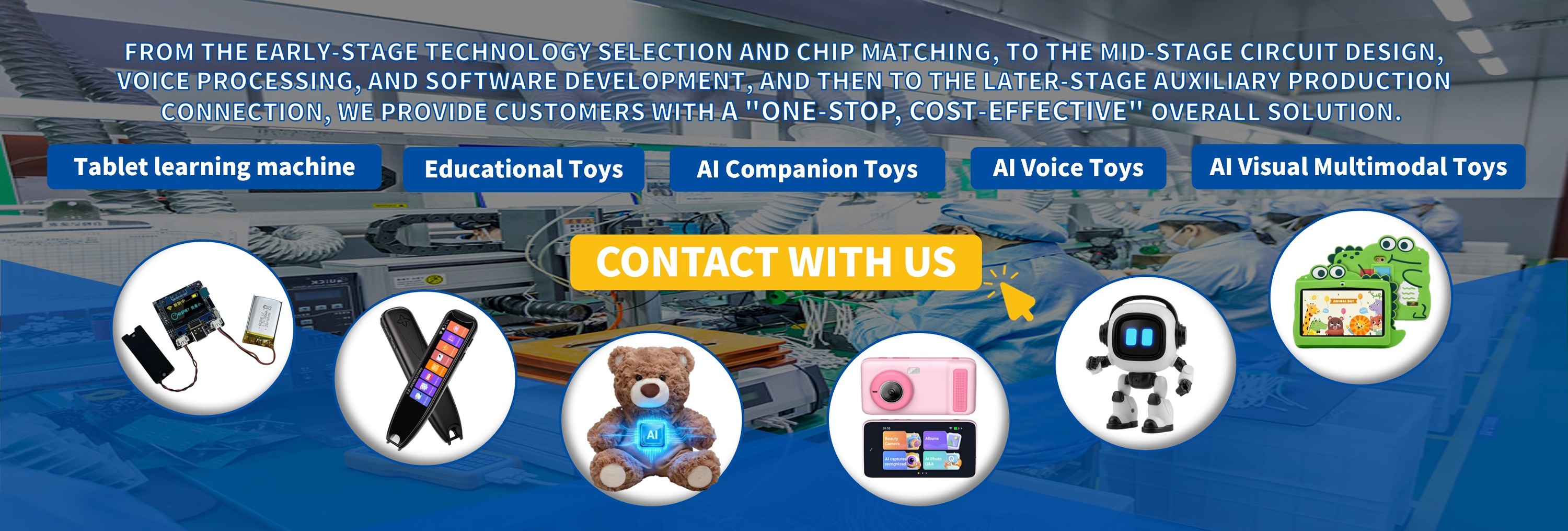
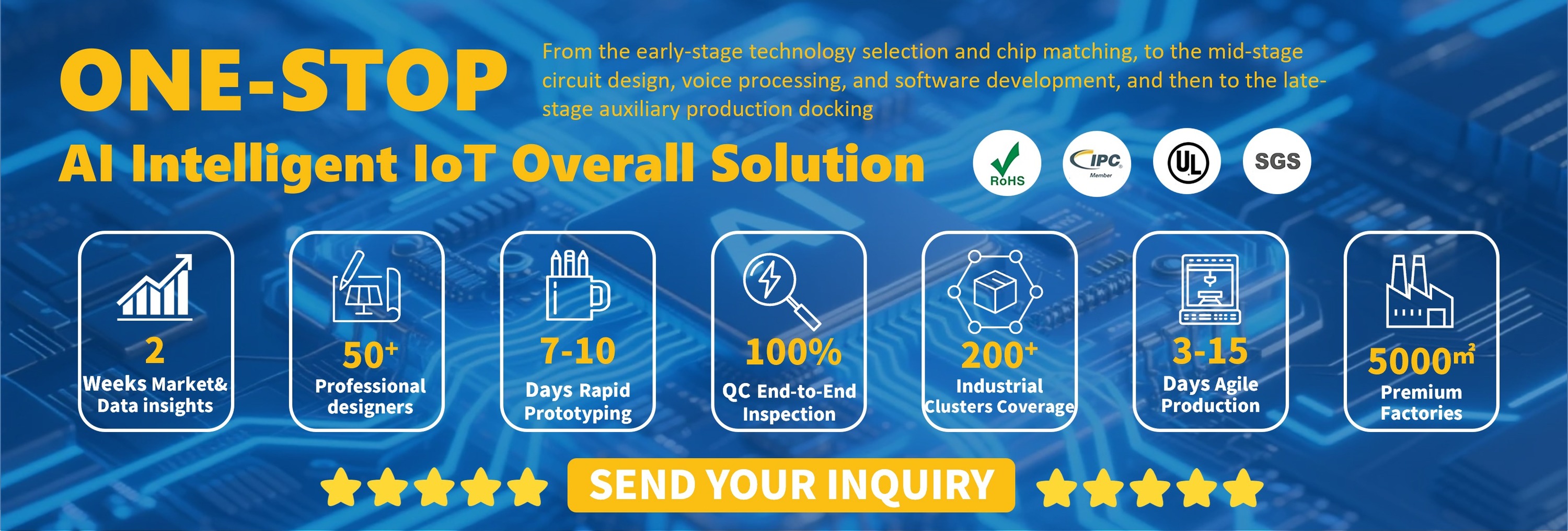
At Shenzhen Aitoyfun Technology Co., Ltd., we bridge this critical gap between advanced artificial intelligence software and precision manufacturing. Headquartered in the world's epicenter of consumer electronics and connected to over 200 industrial clusters across the Pearl River and Yangtze River Deltas, Aitoyfun engineers purpose-built smart hardware. We provide international buyers with a verified, accountable supply chain path—from rapid 7–10 day functional prototyping to full-process quality assurance and compliant container delivery.
Send an InquiryDiscuss custom NPU chipsets, mold design, or localized curriculum packs with our senior engineers.
Flagship Configurations
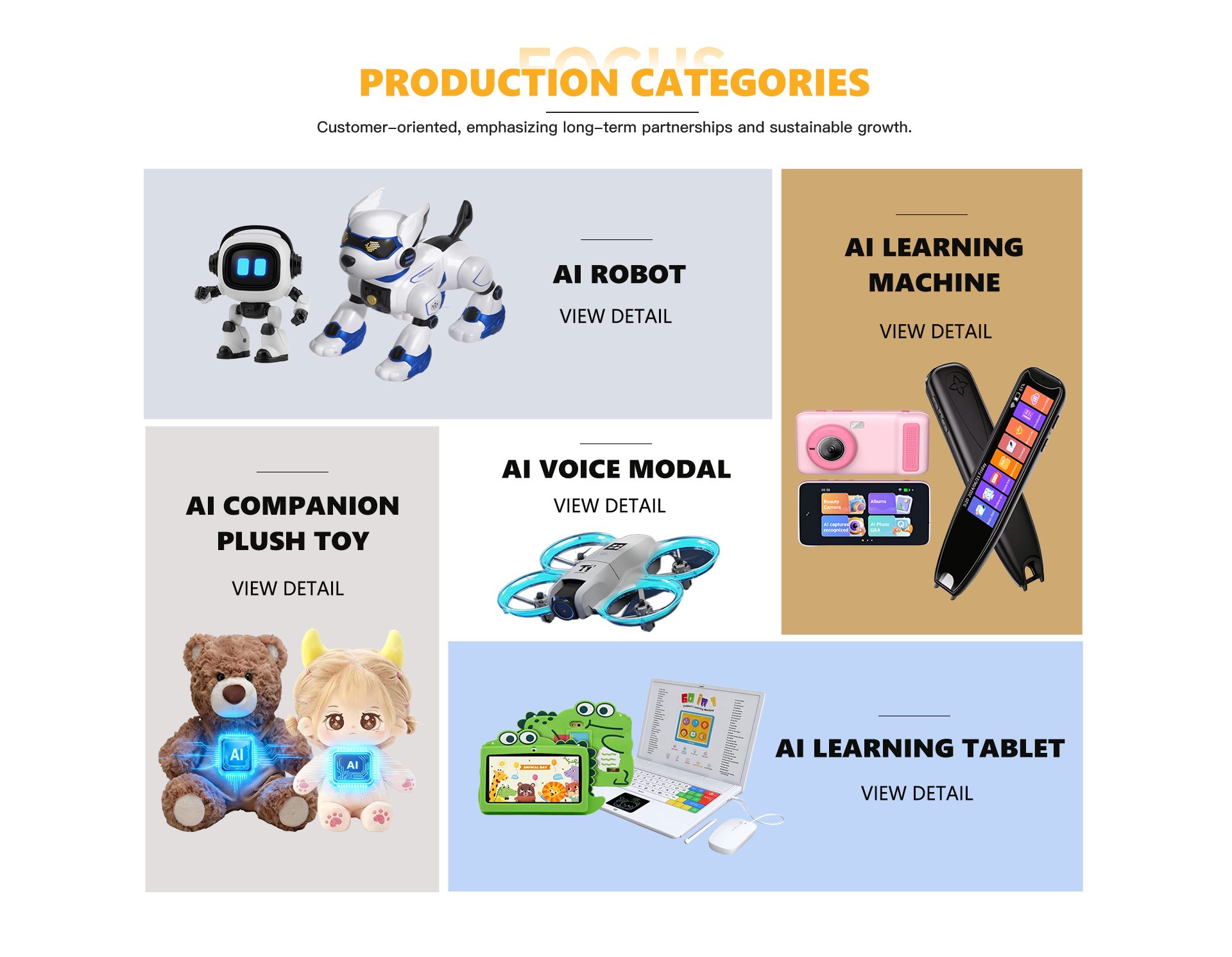
Recommended AI Learning Machine Hardware Platforms
Field-tested, mass-production-ready hardware platforms engineered for private label branding, regional localization, and ruggedized classroom or home use.
Engineered for K-12 and early literacy. Combines a dedicated on-device NPU for instant optical character recognition (OCR) book scanning, real-time natural language tutoring, and dual-band low-latency Wi-Fi 6. Equipped with low-blue-light TÜV Rheinland-certified paper-like touch displays.
Speech & Phonics
TalkMate Buddy AI: Conversational Speech Tutor
Screen-free dual-mic beamforming acoustic unit with edge voice recognition.
Sensory AI
PlushPal AI: Emotional Companion Learner
Haptic feedback and gentle adaptive speech synthesis for ages 3 to 7.
Computational STEM
CodeMaster AI: Visual Coding Station
Scratch/Python machine learning vision kit for classroom environments.
Spatial Intelligence
AeroSTEM AI Drone: Sensor-Assisted Learner
Optical flow hovering, barrier detection, and block-based programming.
Institutional STEM
RoboLogic Pro: Modular Classroom AI Set
Integrated neural sensor modules, kinematics motors, and bilingual STEM workbooks tailored for institutional tenders and educational distribution networks.
Multisensory Play
SmartSight Instant Print & Audio Pen
Thermal zero-ink instant printing paired with an optical phonics reader pen, driving record-breaking repeat SKU reorders for seasonal gifting catalogs.
Hardware Platform
Target Age & Pedagogy
Core SoC & Neural Hardware
Acoustic & Vision Specs
Safety & Compliance
Customization Options
CogniPad X-10 Flagship
Ages 5–14 (Bilingual Phonics, Math, STEM)
Quad-Core ARM 64-bit + 1.2 TOPS Dedicated NPU
Dual-Mic Array (Far-Field Beamforming), 5MP Auto-Macro OCR Camera
CE (RED), EN 71, RoHS, FCC, ASTM F963, CPSIA, CPC
Custom ROM, regional language LLM integration, silk-screen branding
TalkMate AI Voice Pod
Ages 3–9 (Spoken Language, Phonics, Storytelling)
Low-power DSP Audio SoC + Flash Memory Local Storage
How AI Learning Hardware Is Evolving: From Scripted Chips to Generative Agents
Understanding the transition from static flash memory audio chips to edge-computed Small Language Models (SLMs) and cloud-synchronized tutoring engines.
Architectural Shift
1. On-Device Edge AI vs. Hybrid Cloud Execution
Historically, educational toys relied on masked ROM chips playing pre-recorded audio files triggered by mechanical switches. The current generation of AI learning machines leverages hybrid edge-cloud computing. On-device DSPs handle keyword spotting (wake-word) and low-latency acoustic filtering locally, reducing server bandwidth costs by up to 70%. When connected to authorized educational large language models (LLMs), child queries receive contextual, open-ended answers. For procurement buyers, this hybrid setup delivers near-zero latency, eliminates continuous expensive cloud querying tokens, and ensures robust offline functionality when internet connectivity drops in school environments.
UX & Pediatric Health
2. Screen-Light and Screen-Free Pedagogical Demands
Parental backlash against screen fatigue has caused a decisive pivot in global purchasing specifications. Parents and educational institutions increasingly demand "screen-light" (e-ink, transflective LCDs, or matte anti-glare filters) or completely "screen-free" conversational AI tutors. In response, modern AI learning machines place heavier emphasis on physical-to-digital bridge technologies: physical flashcards readable through RFID or top-down OCR macro lenses, physical building blocks that transmit code via low-energy Bluetooth, and expressive LED matrix displays that animate emotional feedback without exposing young retinas to harmful blue light peaks.
Natural Language Processing
3. Accent Robustness & Multilingual Localization
Standard adult speech recognition engines routinely fail when processing high-pitched child speech patterns, disfluencies, and idiosyncratic phoneme pronunciations. Forward-thinking global distributors now commission AI learning devices tuned specifically on pediatric speech corpora. At Shenzhen Aitoyfun Technology Co., Ltd., our engineering network tests acoustic front-ends against varied regional accents across English, Spanish, German, French, Arabic, and Japanese. This fine-tuned acoustic processing ensures children are accurately understood, eliminating frustrating repetition and fostering long-term educational engagement.
Global Sourcing Insights
Future Procurement Trends in the Smart Educational Hardware Sector
Key risk-mitigation strategies, compliance regulations, and commercial models shaping B2B sourcing decisions through 2026 and beyond.
Consumer protection agencies worldwide are tightening oversight on smart toys equipped with microphones and optical sensors. Sourcing directors can no longer afford products that store raw child audio or video footage on unsecured remote servers. Future-proof procurement requires hardware built with zero-biometric data retention, hardware-level physical shutter switches for cameras, and enterprise-grade end-to-end encryption (TLS 1.3). Shenzhen Aitoyfun Technology Co., Ltd. coordinates direct compliance documentation, providing third-party verification that no personally identifiable information (PII) is gathered or commercialized.
2. Agile Low-MOQ Pilot Launches Before Full Container Load (FCL) Scaling
With consumer trends fluctuating rapidly across digital platforms such as TikTok, Amazon, and regional supermarket chains, committing to 10,000 units on an untested SKU is a catastrophic inventory hazard. Savvy importers now prioritize manufacturers that support low minimum order quantities (low MOQs) for pilot runs. Aitoyfun provides flexible pilot manufacturing batches, enabling brands to test their custom voice packages, branded packaging, and retail positioning in target test markets before committing to high-volume multi-container orders.
3. Modular PCB and Tooling Architecture
Rising tooling and mold injection costs make single-purpose hardware economically risky. Leading distributors now request modular mechanical platforms where the primary core module—housing the processor, battery, and AI acoustic subsystem—can fit into diverse interchangeable form factors (e.g., desktop tablet, handheld explorer, or docking robot). This modular engineering approach slashes subsequent tooling expenses by 60% and accelerates time-to-market for secondary product lines.
End-to-End Smart Toy Supply Chain & Brand Management
How Shenzhen Aitoyfun Technology Co., Ltd. eliminates manufacturing, compliance, and international freight vulnerabilities for worldwide importers.
ENGINEERED TO SCALE
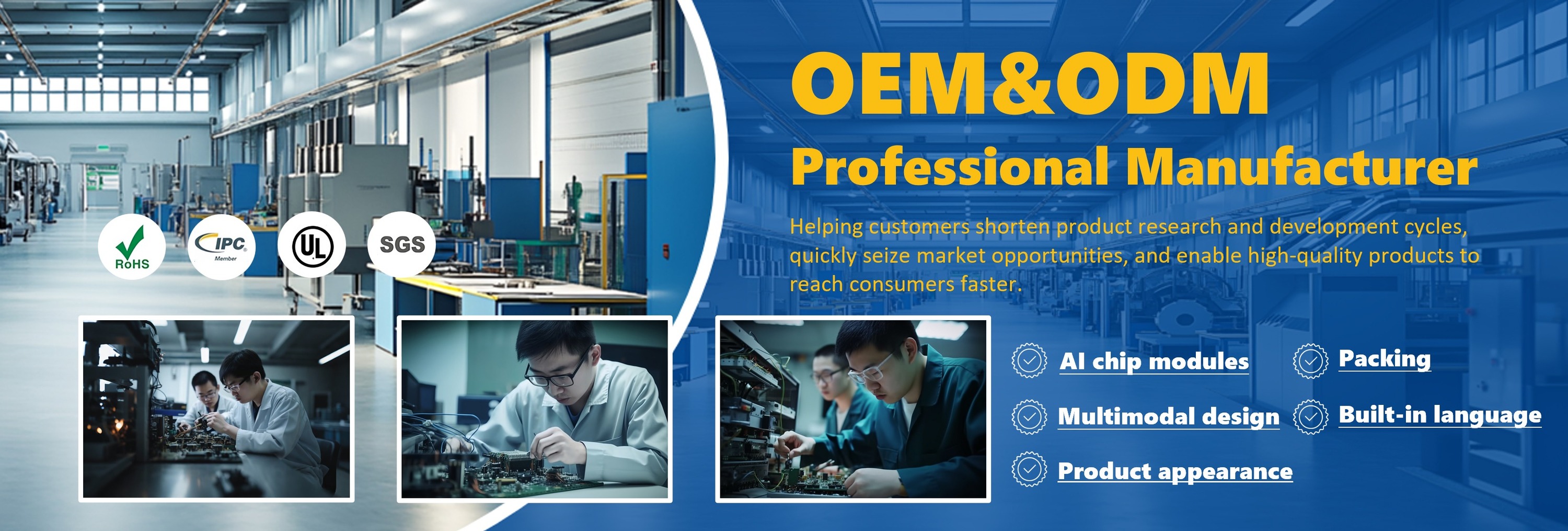
Shenzhen Aitoyfun Technology Co., Ltd. is not a typical trading middleman or single-line workshop. We operate as a high-velocity supply chain management and brand incubation company. We align data-driven product selection with tier-one electronics manufacturing, ensuring your private-label AI learning machines meet exact electrical, acoustic, and child safety specifications.
501–1000 m²Corporate Operations Hub
50+Designers & Engineers
3 HubsChina · Europe · Malaysia
7–10 Day Prototyping
Rapid functional SLA 3D printing, CNC mockups, and quick-turn SMT samples delivered to your desk in 7–10 business days for immediate client presentation.
200+ Industrial Clusters
Direct connectivity across specialized industrial clusters in Shenzhen, Dongguan, and Ningbo ensures resilient component sourcing even during seasonal crunches.
Dedicated regional teams in Europe and Malaysia facilitate smooth customs documentation, FOB consolidation, after-sales RMA, and synchronized time-zone communications.
Logistics Synergy
Consolidated Staging & Custom Export Warehousing
Save substantial freight overhead by combining diverse AI educational SKUs, companion toys, robotic accessories, and printed curriculum workbooks into a single optimized sea container.
Master carton drop-testing and custom FBA/pallet labeling
Pre-loading high-definition photo and video inspection verification
FOB, CIF, and DDP export logistics handled seamlessly
Order staging areaSecure inventory controlFinal export palletization
Audited Manufacturing
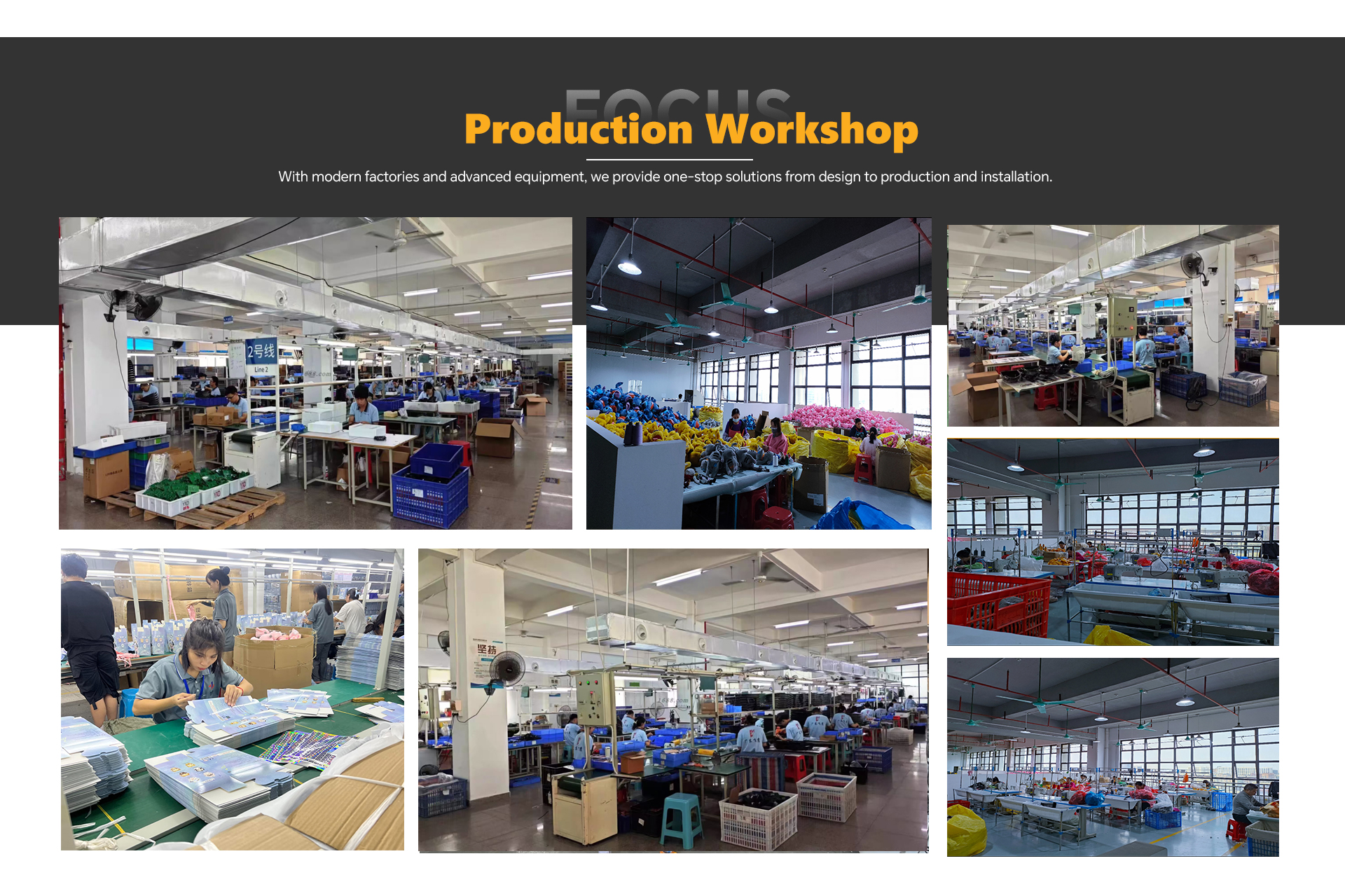
Precision Production & Stringent Quality Control
Every AI learning machine produced under the Aitoyfun umbrella undergoes rigorous mechanical, optical, acoustic, and environmental verification. Our audited partner factory lines strictly adhere to ISO 9001 and world-class electronics manufacturing standards.
01
High-Precision SMT & PCBA
Surface-mount technology placement for high-speed processors, NPU chips, and Wi-Fi modules.
02
Dust-Free Assembly Line
Static-controlled cleanroom assembly ensuring optical and screen purity.
03
Acoustic & Functional Calibration
Decibel frequency-limiting and microphone array sensitivity calibration.
04
Automated Retail Packaging
Multi-language user manuals, USB-C safety cables, and custom gift boxes.
05
Prototyping & ROM Validation
7–10 day functional sample builds with tailored firmware pre-loads.
06
Quality Control & Burn-in
High/low-temperature cycling and continuous 24-hour battery burn-in tests.
200+
Industrial clusters linked across China
7–10
Days for fully working prototypes
Flexible
Low MOQ pilot programs for custom private labels
100%
AQL inspection coverage before dispatch
Tested & Certified
International Safety & Wireless Compliance
Smart educational machines operate at the strict intersection of child toy safety, radio-frequency spectrum regulations, and battery transport safety. We orchestrate accredited laboratory testing for your targeted jurisdiction.
Shenzhen Aitoyfun Technology Co., Ltd. eliminates the opacity of typical overseas sourcing. By uniting deep factory tier relationships with real-time international retail data, we guide your team from initial concept to container departure.
Our localized presence in China, complemented by liaison offices in Europe and Malaysia, gives your brand round-the-clock peace of mind. We manage mold design, SMT board runs, firmware locks, packaging drop tests, and container customs clearance under one unified contract.
Frequently Asked Questions: AI Learning Machine Sourcing
Definitive answers to the core technical, regulatory, and logistical questions raised by global enterprise buyers.
1. How does an AI Learning Machine handle conversational speech without unacceptable latency or high cloud API costs?
Our engineering team implements a hybrid edge-cloud acoustic pipeline. Wake-word detection (e.g., "Hey Cogni"), background noise suppression, and common repetitive instructional commands are processed locally on an embedded digital signal processor (DSP) or dedicated NPU chip in less than 150 milliseconds. For open-ended natural language conversations, the device streams compressed audio packets to authorized educational cloud endpoints utilizing optimized WebSocket connections, maintaining round-trip response times under 800ms. To protect your brand from ballooning cloud API token expenses, we support custom token-caching mechanisms, local intent classification, and integration with your own enterprise API gateways.
2. What specific certifications are mandatory before importing AI Learning Machines into the US and European markets?
Because an AI learning machine contains wireless communication modules (Wi-Fi/Bluetooth), an internal rechargeable lithium battery, and is marketed for children, it must satisfy multi-layer directives. For the European Union and UK: CE-RED (Radio Equipment Directive 2014/53/EU), EN 71 (Parts 1, 2, and 3 for mechanical safety, flammability, and heavy metal migration), RoHS (2011/65/EU), and UKCA marking. For the United States: FCC Part 15 Class B (unintentional and intentional radiators), ASTM F963-23 toy safety standard, CPSIA compliance, and an accredited Children's Product Certificate (CPC). In addition, lithium battery packs must have validated UN38.3 test summaries, IEC 62133 cell compliance, and full Safety Data Sheets (SDS) for air or maritime transit.
3. How does Shenzhen Aitoyfun Technology Co., Ltd. ensure child data privacy under COPPA and GDPR regulations?
Compliance is architected into the hardware and firmware at the schematic stage. Our devices do not require registration of child personal identifiable information (PII) such as real names, physical locations, or personal phone numbers. Audio streams transmitted to natural language engines are ephemeral—they are converted to text tokens, processed for educational intent, and immediately purged without persistent voiceprint profiling. Furthermore, our cameras feature physical sliding privacy shutters or firmware-level optical disconnects when devices enter sleep mode, ensuring rigorous compliance with FTC COPPA (Children's Online Privacy Protection Act) Rule 16 CFR Part 312 and EU GDPR Article 8.
4. Can our brand customize the physical shell, color palette, packaging, and localized curriculum content?
Yes. Shenzhen Aitoyfun Technology Co., Ltd. offers three tiered OEM/ODM levels: (1) Private Label OEM: Choose from our validated production-ready molds, apply custom Pantone housing colors, silk-screen your company logo, customize retail gift box packaging, and pre-load your proprietary application content. (2) Firmware & OS Localization: We adapt wake-words, customize voiceover sound bites, configure regional language dictionaries, and implement parental control companion apps. (3) Turnkey ODM: From an initial hand-drawn sketch or industrial ID rendering, our 50+ designers and engineers deliver 3D CAD modeling, mold tooling, PCB layout, functional testing, and turnkey production.
5. What is the typical lead time for functional prototypes and mass container orders?
For existing platform customization (logo, firmware pre-load, and color changes), working functional samples are typically prepared and dispatched within 7–10 business days. If a brand requests completely new injection tooling for a proprietary shell design, tooling fabrication and mold trials require 25 to 35 calendar days. Mass container production typically requires 30 to 45 days after Golden Sample confirmation and deposit receipt, depending on seasonal component availability and batch scale.
6. What is the Minimum Order Quantity (MOQ) and how are pilot orders supported?
We believe in building long-term institutional partnerships rather than imposing prohibitive barriers. For standard private-label branding on established hardware configurations, we support flexible low-MOQ pilot runs starting at 500 to 1,000 units. This allows your commercial team to validate retail sell-through, test digital marketing campaigns, and gather feedback before initiating high-volume 40HQ container runs. For bespoke ODM tooling, initial production MOQs are established during DFM (Design for Manufacturing) review based on mold cavities and component lot sizes.
7. What quality control procedures prevent high field return rates (RMA) on smart learning devices?
Educational electronics undergo significantly more physical abuse than standard adult devices. We subject every batch to: (1) IQC (Incoming Quality Control) verifying IC authenticity, solderability, and battery pouch integrity; (2) IPQC (In-Process Quality Control) with 100% automated optical inspection (AOI) of SMT solder joints; (3) Acoustic & RF Verification checking dual-mic signal-to-noise ratio (SNR) and Wi-Fi transmit power in shielded chambers; (4) Reliability Testing including 1.2-meter steel-plate drop tests from six angles, button endurance cycles (50,000+ presses), and 48-hour continuous battery charge-discharge thermal aging; and (5) FQC/OQC conforming to MIL-STD-105E / ISO 2859 AQL Major 1.0 / Minor 2.5 standards.
8. What trade terms and international currencies does Aitoyfun accept?
Our standard export trade term is FOB Shenzhen or FOB Hong Kong. We also regularly accommodate CIF, CFR, and turnkey DDP (Delivered Duty Paid) arrangements to client distribution warehouses across Europe and North America. Accepted trade settlement currencies include US Dollar (USD), Euro (EUR), and Chinese Yuan (CNY). Standard commercial payment terms are 30% deposit upon proforma invoice confirmation with the remaining 70% balance payable against the Bills of Lading (B/L) copy and documented final inspection report.
Ready to Source Your Next AI Learning Machine Line?
Submit your hardware technical brief, target market compliance requirements, and estimated order volumes. Our engineering and supply chain directors will respond within 24 hours with an actionable DFM proposal and cost analysis.