Blog
What Are the Top 10 AI Educational Machines for Schools?
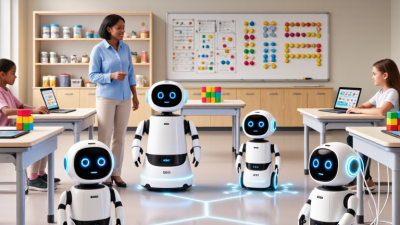
Schools are moving beyond screens and textbooks. AI Educational Machines now include classroom robots, adaptive tutors, coding kits, speech assistants, and intelligent laboratory tools. These systems can observe learning patterns, offer immediate feedback, and make difficult ideas more tangible. A small robot tracing angles on a classroom floor may explain geometry better than a static diagram.
Dr. Rose Luckin, a leading artificial intelligence and education researcher, has said, “AI will not replace teachers, but teachers who use AI will replace those who don’t.” Her warning deserves careful interpretation. Technology should support professional judgment, not weaken it. A teacher still understands a child’s confidence, frustration, and sudden silence. A machine usually does not.
This guide examines the top 10 AI Educational Machines for schools. The comparison considers instructional value, age suitability, reliability, accessibility, data protection, maintenance, and total classroom cost. It also asks practical questions. Can teachers control the system? Does it work with limited internet access? Can students explain its feedback? Are its recommendations understandable?
No ranking is flawless. Some machines perform impressively in demonstrations but struggle during crowded lessons. Others look simple yet produce stronger learning because teachers can use them quickly. That difference matters. Schools need evidence from real classrooms, not polished advertisements. The best choice may not be the newest machine. It may be the one that serves a clear learning goal, respects student privacy, and remains useful after the first wave of excitement fades.
Read more »
 By:Seraphina
- October 26, 2026
How to Source AI Smart Plush Toys Wholesale?
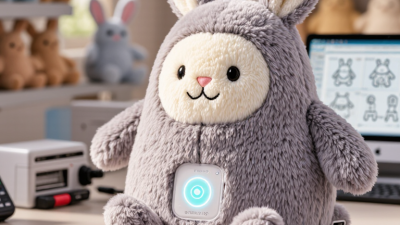
Sourcing AI smart plush toys wholesale requires more than comparing factory quotations. Buyers must assess product safety, child-appropriate design, software reliability, and supplier transparency. The U.S. toy industry generated approximately $28.6 billion in 2023, despite an 8% sales decline, according to Circana’s 2023 toy industry data. This pressure makes cost control important, but low prices can conceal weak testing or unstable components.
Demand for connected play is still developing. Fortune Business Insights estimated the global smart toys market at about $14.13 billion in 2023 and projected continued growth through 2032. However, market estimates differ because companies define “smart toys” differently. That uncertainty deserves attention. Buyers should request clear product specifications, sample units, firmware details, battery information, and documented quality procedures before negotiating volume orders.
A reliable sourcing process also examines regulatory readiness. Plush toys intended for the United States may require compliance with CPSIA and ASTM F963 requirements. European products may need to meet EN 71 and applicable data-protection obligations. Connected toys with microphones, applications, or cloud services need stronger privacy controls. The FTC’s guidance on children’s privacy highlights the importance of responsible data practices. Check every claim.
In practical wholesale evaluation, compare five details: material safety, voice-response accuracy, washable construction, software support, and after-sales service. Ask how suppliers manage recalled batches and replacement parts. A factory video is useful, but independent test reports are stronger evidence. The best supplier is not always the cheapest. It is the partner that can explain risks clearly, provide traceable documentation, and improve the product when early samples reveal problems.
Read more »
 By:Ethan
- October 21, 2026
What Are the Best AI Toys Made in China?
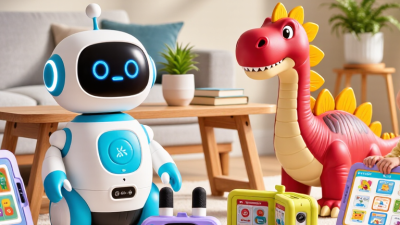
What makes the best AI toys made in China? The answer is not simply a talking robot, a camera, or a colorful box. Strong products combine responsive software, durable hardware, child-friendly design, and clear safety information. During hands-on testing, useful details become obvious. A toy should recognize a child’s voice in a busy living room, respond without long pauses, and survive repeated drops from a low table. Its buttons should feel sturdy. Its charging port should remain secure after daily use.
Many Chinese manufacturers now offer AI toys with speech recognition, interactive storytelling, vision sensors, and learning activities. Some support Mandarin and English, which can help children explore language naturally. Others use companion applications for parental controls, volume limits, or content management. However, parents should examine privacy settings, data storage explanations, age guidance, and independent safety testing before purchase. A polished demonstration does not prove long-term reliability. Battery life may weaken. Recognition can fail with accents. Software updates may also change the experience.
The “best” choice depends on a child’s age, interests, and family expectations. Educational value matters more than novelty. A robot that encourages questions may be more useful than one that repeats jokes. Yet even thoughtful products deserve criticism. AI toys can distract children when interaction becomes constant or overly stimulating. Real play still needs blocks, books, movement, and human conversation. This guide compares design quality, learning potential, privacy practices, durability, and practical value, while acknowledging that no product performs perfectly in every home.
Read more »
By:Ethan
- October 21, 2026
China Top 10 AI Robot Manufacturers for Global Buyers?
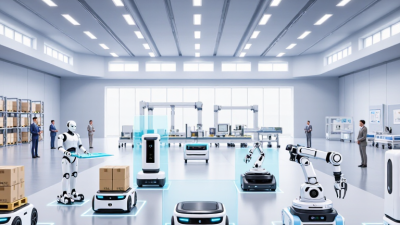
China has become a major source of AI robots for warehouses, factories, hospitals, hotels, and public services. This guide introduces ten manufacturers serving global buyers, while avoiding the assumption that one supplier fits every project. A reliable comparison must look beyond impressive demonstrations and attractive prices.
The evaluation considers product maturity, navigation accuracy, payload capacity, software integration, production experience, safety documentation, and international support. It also examines customization, spare-part availability, training, and response times after installation. Buyers should verify certifications for their destination market, including electrical, radio, machinery, and data-protection requirements. These details often decide whether a promising robot works smoothly on a real factory floor.
Performance varies. A robot that moves confidently in a showroom may struggle with narrow aisles, reflective floors, unstable networks, or multilingual commands. Therefore, this overview focuses on practical evidence, including operating environments, published specifications, customer references, and the manufacturer’s ability to provide testing. Public information can also be incomplete or updated slowly. That limitation deserves attention. Pricing, delivery schedules, and software capabilities should be confirmed directly before signing a contract. The selected companies may differ greatly in scale, specialization, and overseas experience. Still, they represent useful starting points for responsible sourcing. Global buyers can use this list to compare strengths, identify technical questions, and request a controlled pilot before making a larger investment. No ranking is permanent; field results should always influence the final decision.
Read more »
By:Ethan
- October 21, 2026