EN71 / CE
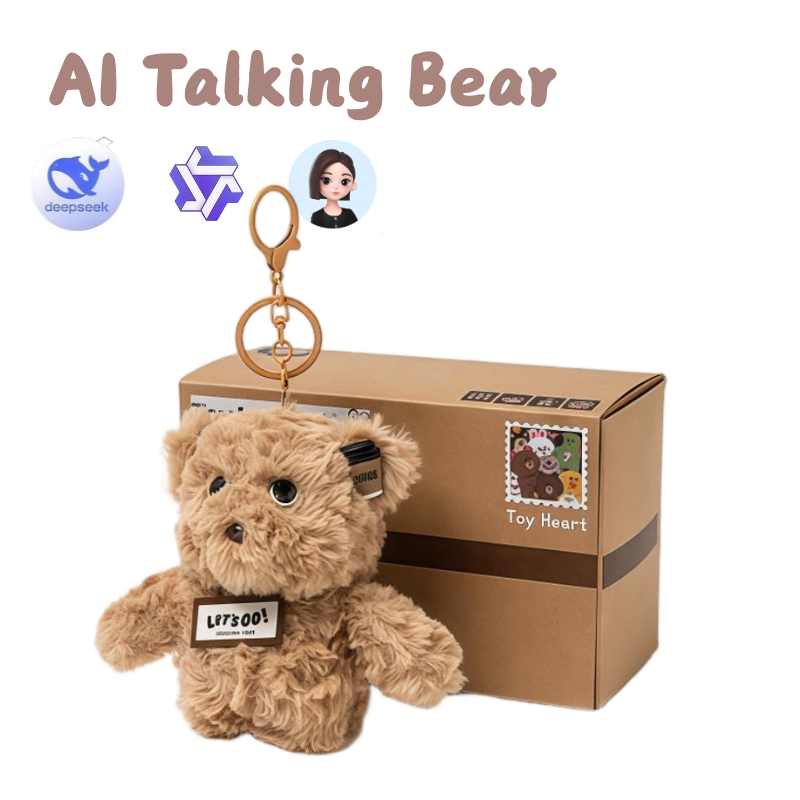
Engineered to fulfill demanding EU harmonized directives, our voice-interactive plush models, intelligent sound processors, and early development companion robots represent verified export-tier manufacturing.
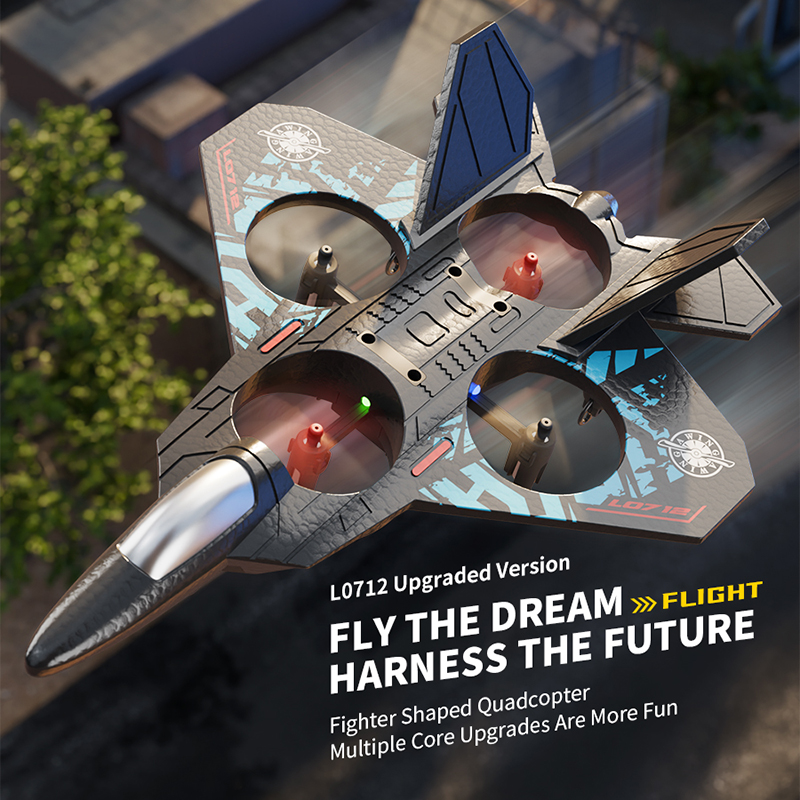
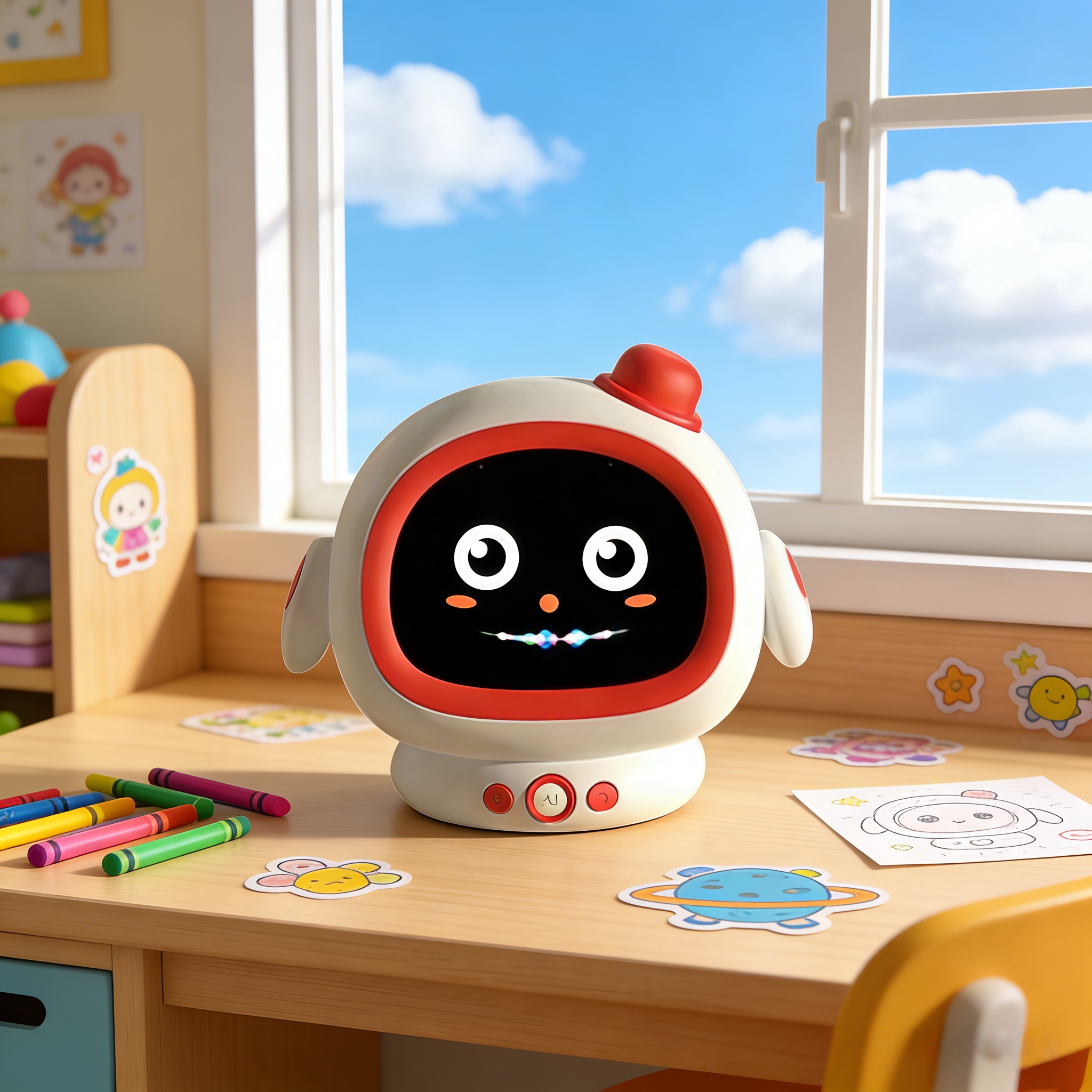
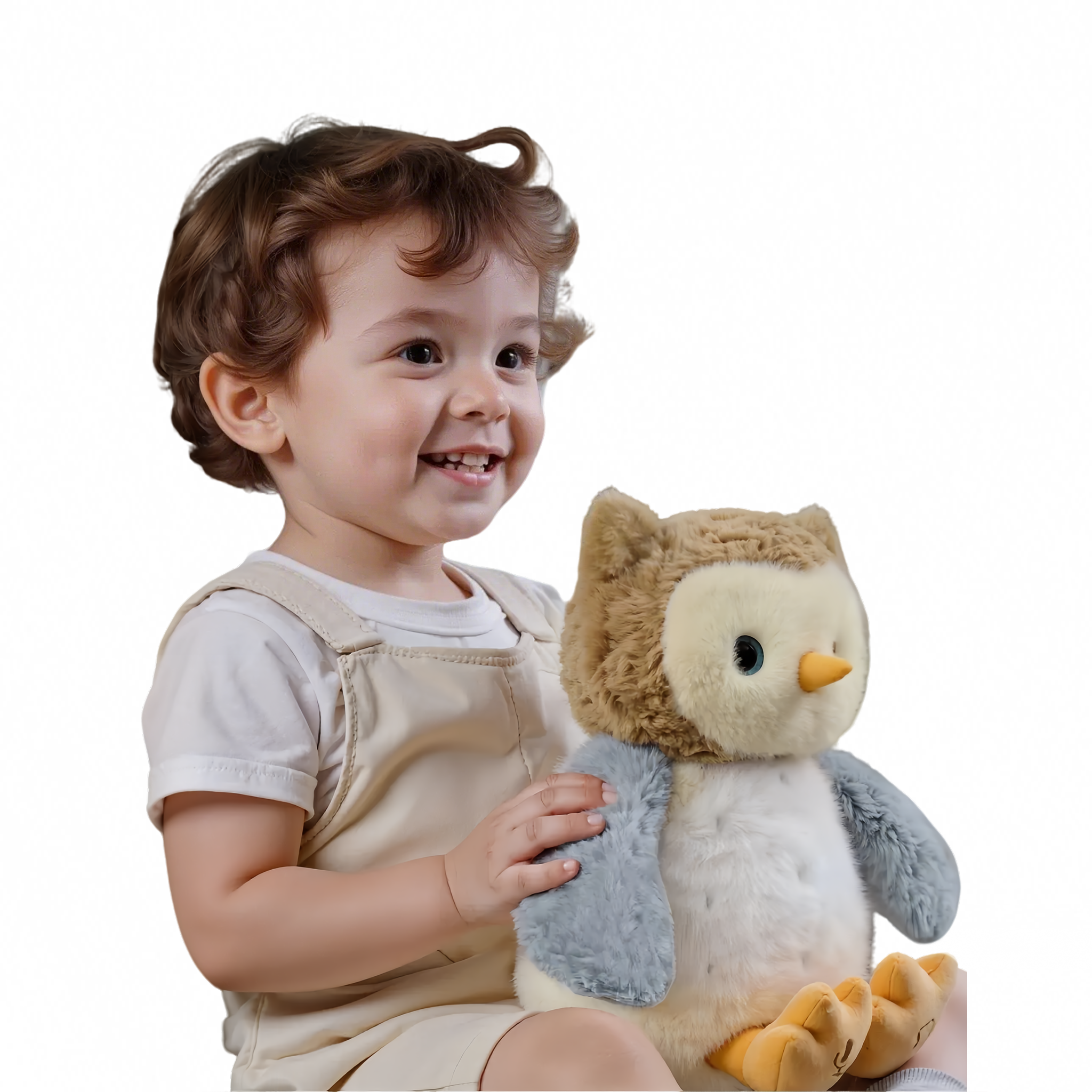
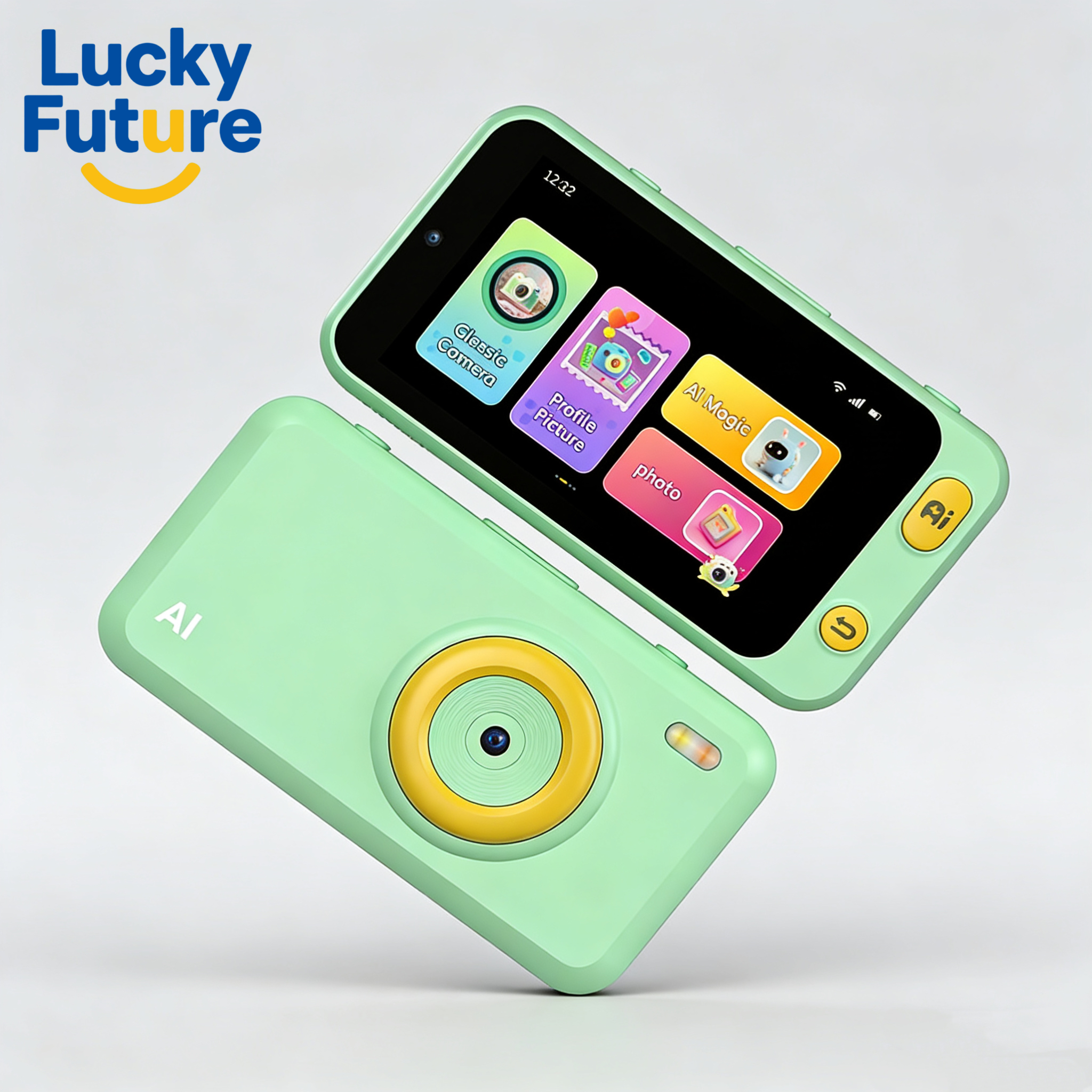
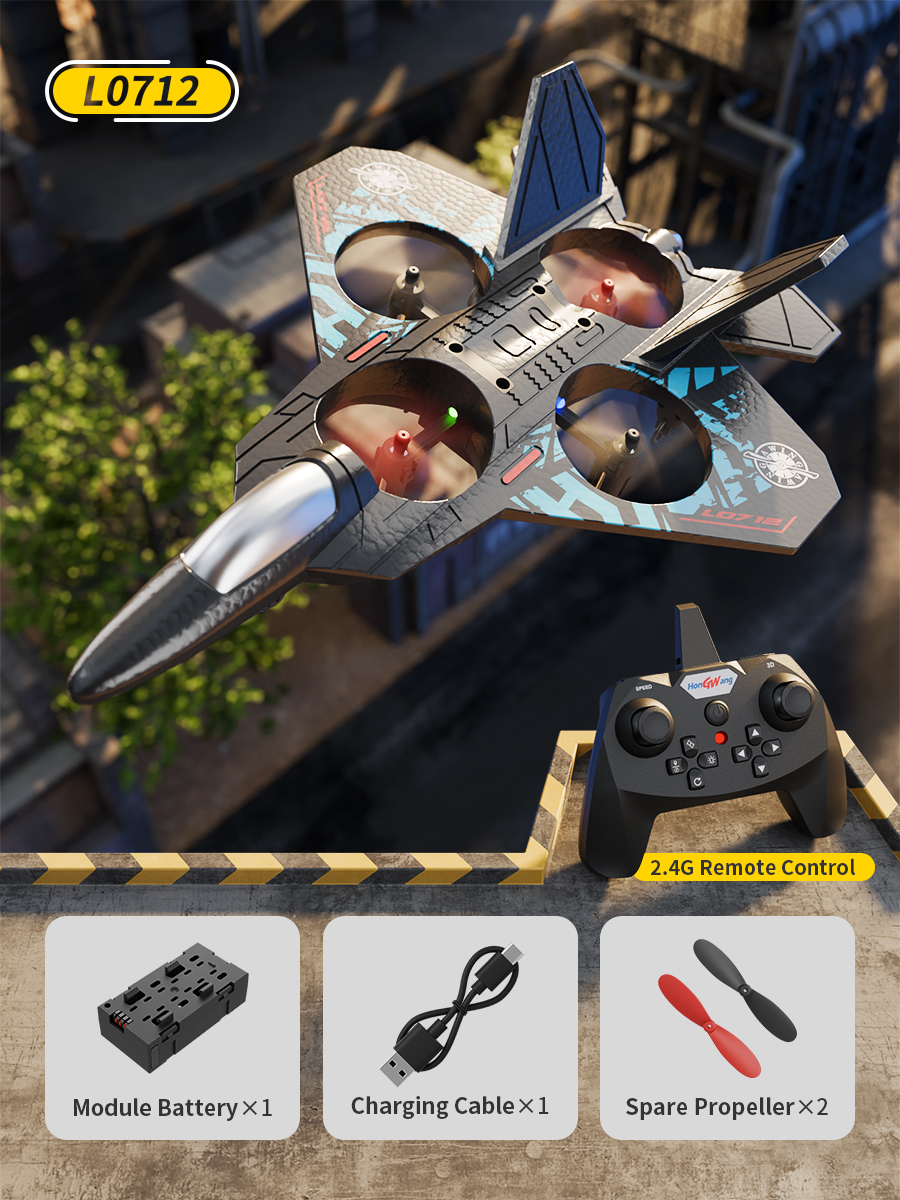
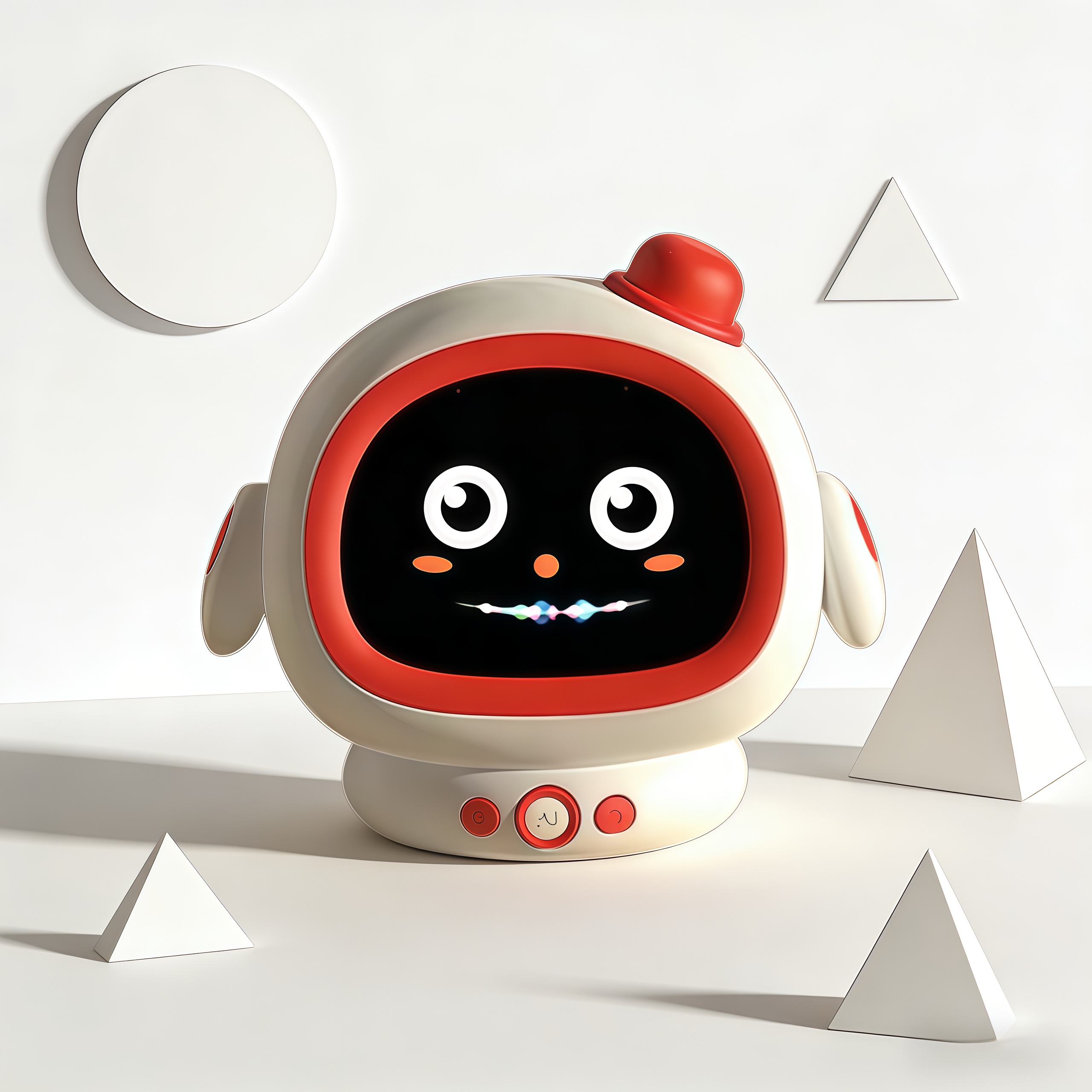
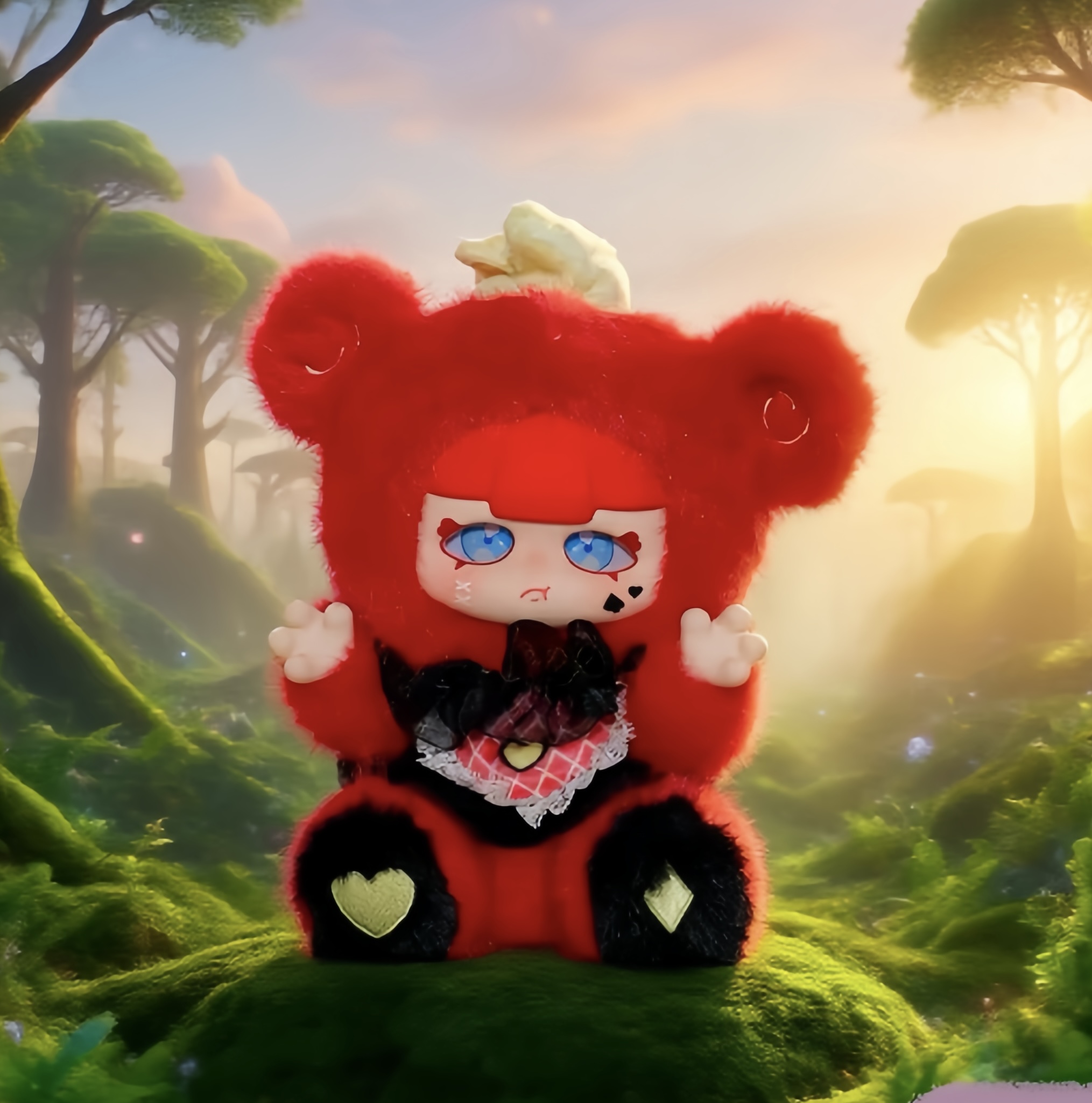
Direct OEM solution for conversational plush figures. Featuring localized Natural Language Processing (NLP), secured audio caching, multi-language phonetic switches, and an anti-pull embroidered battery chassis designed for nursery durability.
In international toy distribution, importing interactive, battery-operated, and electro-acoustic plush products into the European Single Market requires stringent regulatory adherence. A compliant talking bunny plush toy is not merely a stitched textile; it is an electro-mechanical hybrid subject to multiple intersecting European Union directives. Factory compliance hinges on treating both the external tactile envelope and internal acoustic microelectronics under unified quality assurance protocols.
Suppliers serving Tier-1 retail chains and major brand distributors must execute rigorous testing regimes backed by ISO/IEC 17025 accredited laboratory certifications before issuance of the EC Declaration of Conformity (DoC). Key technical vectors include:
Tension testing up to 90N on seams, ocular fasteners, and long bunny ears. Impact and torque testing ensures internal speaker modules cannot produce sharp edges or small parts posing choking hazards.
Surface rate of flame spread on ultra-soft velvet, micro-plush, and polyester PP-cotton stuffing must not exceed 30 mm/s to allow immediate infant protection and parental response.
Stringent migration thresholds across 19 toxic heavy metals (such as Lead, Cadmium, and Organotin) evaluated on fabrics, dye coatings, and interior mechanical housings.
Guarantees safe thermal dispersal, electromagnetic compatibility (EMC), acoustic pressure limitations (<80 dBA for ear-contact plush), and secondary circuit overcharge protection.
Substance restrictions limiting SVHC candidates, non-phthalate plasticizers (DEHP, BBP, DBP, DIBP < 0.1%), and halogen-free PCB micro-controllers inside the sound compartment.
Applied whenever wireless BLE or 2.4GHz remote syncing is embedded into talking bunnies, regulating spectrum usage, cybersecurity hygiene, and radiation safety.
The core value proposition of a modern talking plush rabbit lies in its voice-recording and playback fidelity. Traditional low-cost modules rely on piezoelectric buzzers housed in unshielded plastic boxes, producing tinny acoustic feedback and risking battery leakage. High-tier contract manufacturers engineer custom cavities using high-impact Virgin ABS with sonic-welded internal chambers. A soft silicone suspension ring surrounds the miniature neodymium speaker driver, buffering the speaker cone from mechanical shock while maintaining a crisp, clear voice output between 300Hz and 3400Hz—precisely calibrated for human speech mimicry.
The global plush and electronic companion toy sector is undergoing an architectural transition. Modern buyers for department chains, specialty educational retailers, and private label e-commerce brands are pivoting from rudimentary "talk-back" repeaters to sophisticated, localized cognitive development companions. Forward-thinking procurement directors are re-calibrating their sourcing roadmaps around four macro trends:
COPPA and GDPR-Kids compliance has made continuous cloud streaming problematic for young demographics. The industry is adopting edge-AI microcontrollers capable of storing 50+ localized interactive prompts, offline wake-word recognition, and emotional cadence feedback without sending voice data to remote servers.
EU battery regulations mandate the phase-out of non-rechargeable single-use button cells in premium electric toys. New talking bunny toys incorporate modular, slide-out Lithium-Polymer cells with integrated Power Delivery (PD) overvoltage cutoffs, offering up to 18 hours of intermittent mimicry on a 40-minute charge.
Procurement criteria for Scandinavian and Western European importers now prioritize Global Recycled Standard (GRS) fabrics. Modern bunny bodies feature 100% post-consumer recycled polyester plush and non-toxic waterborne polyurethane bindings that feel as soft as virgin microfibers without the microplastic footprint.
Rather than committing $50,000+ to proprietary steel injection molds for voice chassis, brands leverage standardized internal sound capsules. This enables rapid external fabric skin redesigns, custom embroidery, and firmware language localization within 15–20 days, reducing initial MOQ risk.
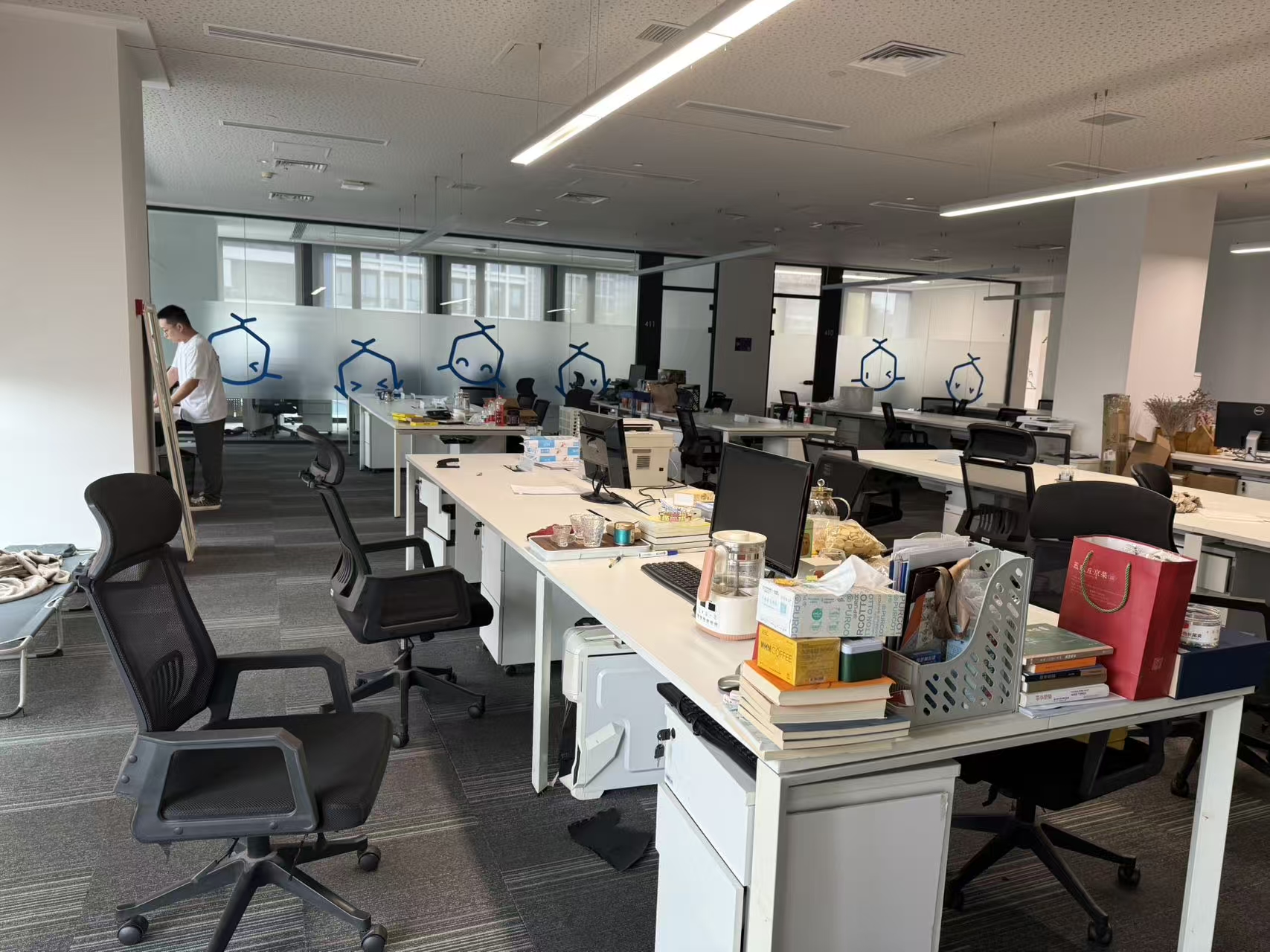
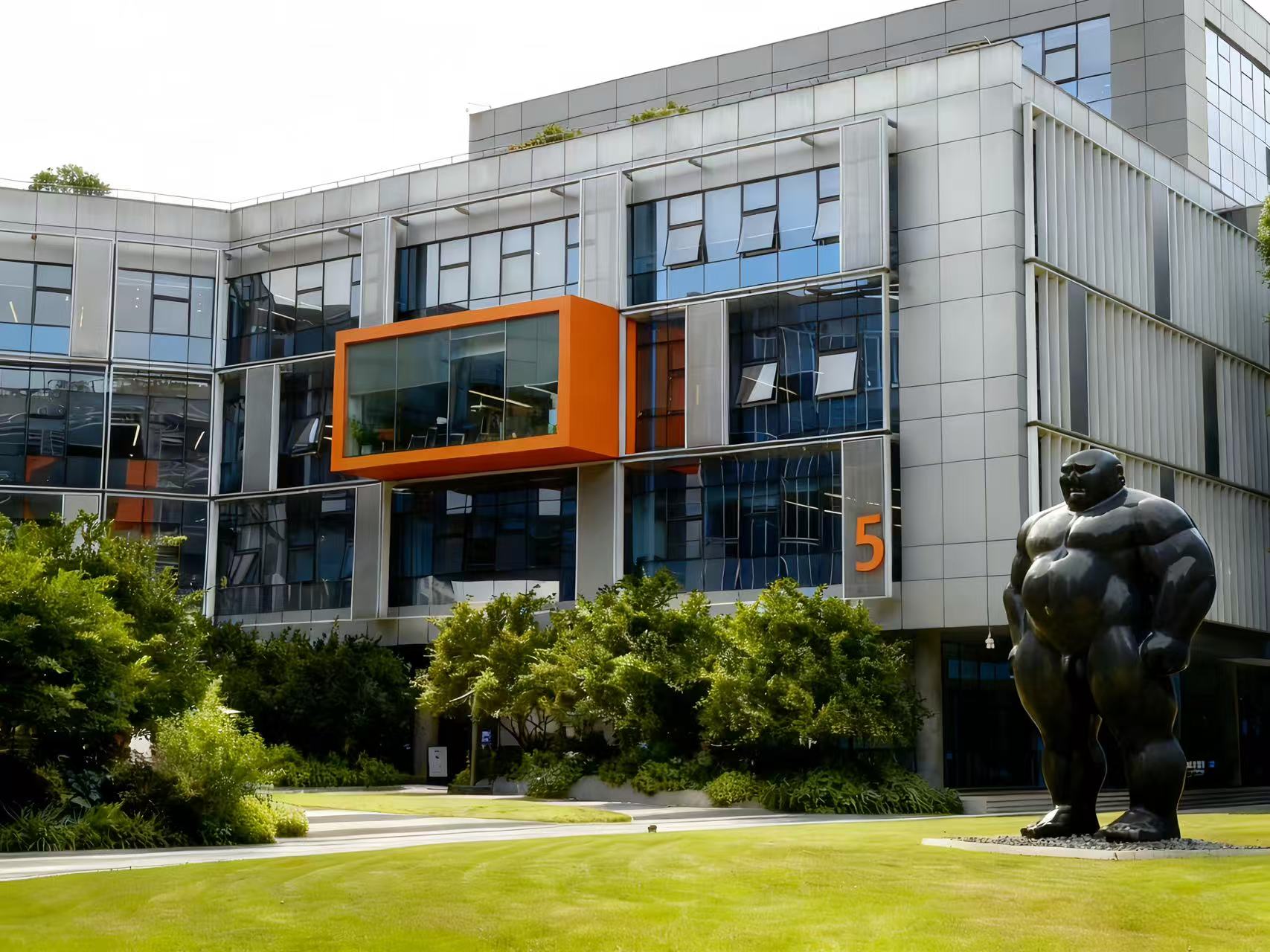
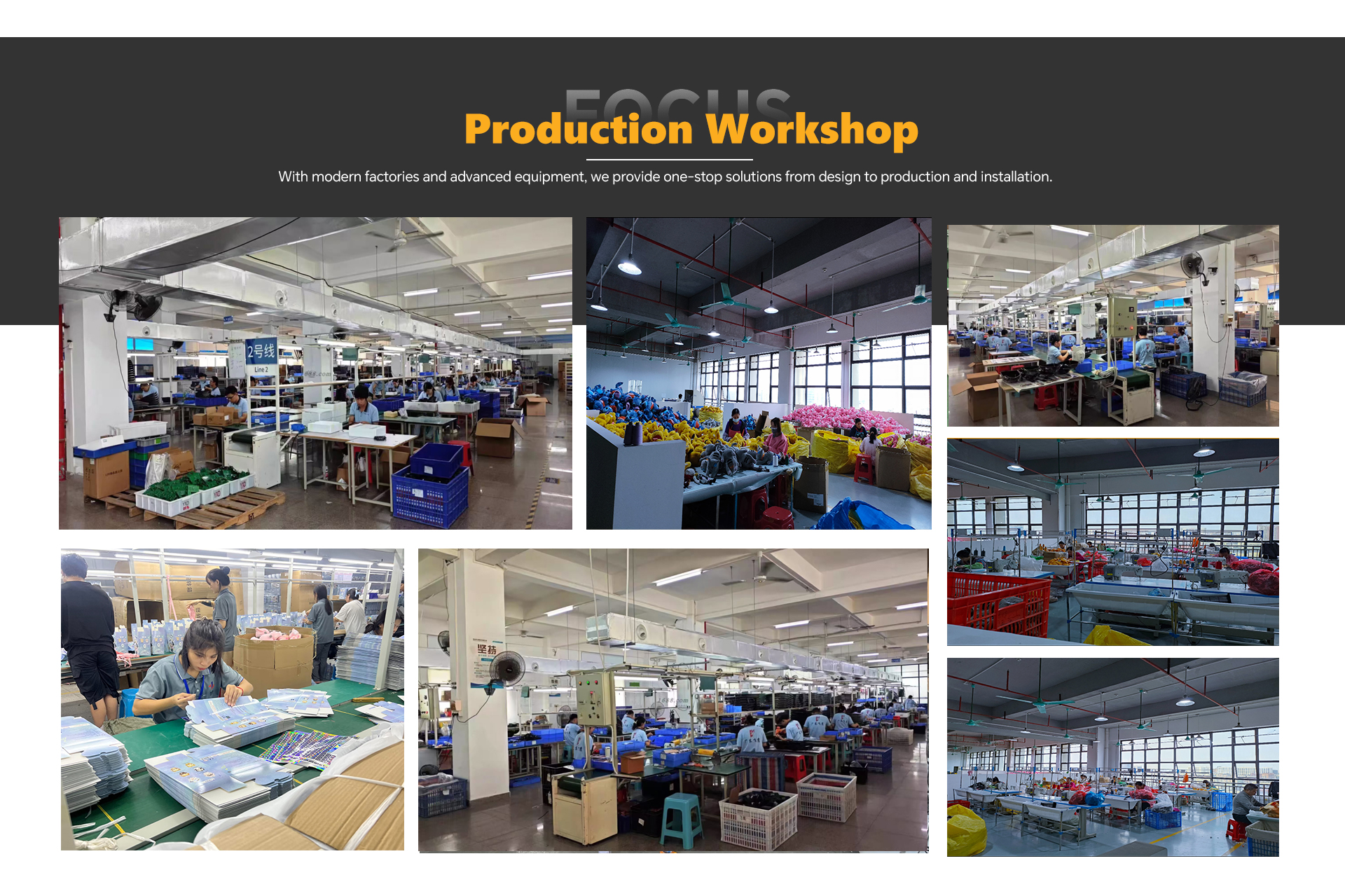
As an onsite-verified supplier on Alibaba.com, Shenzhen Aitoyfun Technology bridges the gap between deep industrial production networks in the Pearl River Delta and global consumer brand compliance. Our supply architecture integrates over 200 manufacturing clusters, encompassing electronic SMT lines, automated plush sewing facilities, precision mold fabrication, and third-party safety labs.

Direct technical and commercial clarifications to streamline supply chain decisions for category managers and sourcing directors.
The importer or authorized representative must hold a complete Technical Construction File (TCF) containing: bill of materials (BOM), exploded assembly schematics of the sound module, PCB circuitry diagrams, safety risk assessment documents, full test reports against EN 71-1/2/3 and EN 62115 from a certified testing laboratory, user manual copies in destination languages, and a signed EU Declaration of Conformity (DoC).
We decouple the electronic core from the textile shell. By maintaining pre-certified, pre-assembled modular voice recording IC units in stock, our sewing clusters can process customized fabric cuts, proprietary embroidery, and brand label runs at lower volumes (from 500–1,000 units), helping clients test consumer demand without heavy tooling amortization.
Yes. We accommodate factory-burned Mask-ROM audio chips or flash memory ICs loaded with client-provided audio tracks, ambient music, bedtime stories, or multi-lingual speech models (English, German, French, Spanish, Japanese, and Arabic). Lead time for audio firmware sample burning is typically 3–5 working days.
Our 100% QA process enforces strict checkpoints: all internal PCBA boards undergo 24-hour burn-in testing to prevent cold solder failures; sewing lines execute 100% needle-detector scanning to eliminate metal fragment risks; assembled plush toys undergo a drop-impact test from 1.2 meters, sound decibel calibration (<80 dBA), and a continuous battery discharge cycle.
Standard logistics terms are FOB Shenzhen or FOB Ningbo. We support CIF, DDU, and DDP shipments through our integrated freight partners. Transactions are accepted in USD, EUR, and CNY via Wire Transfer (T/T), Irrevocable Letter of Credit (L/C at sight), and secure corporate trade assurances.
Initiate direct communication with our senior product engineers. Receive rapid DFMEA feedback, 3D casing renderings, and competitive B2B volume pricing within 24 hours.
Send an Inquiry