Enterprise Product Catalog: Interactive AI & Smart Plush Series
Engineered for child safety, low acoustic latency, emotional recognition, and custom large language model (LLM) interaction pipelines. Available for rapid ODM customization, private labeling, and regional localization.

MOMO Smart AI Toy Companion Children's Dialogue Robot Plush Stuffed Animal Blind Box Set 6 Whisper Craft Model Kids Unisex
- Dual-core edge acoustic processor
- Blind box collectible packaging concept
- Cloud LLM multi-turn storytelling
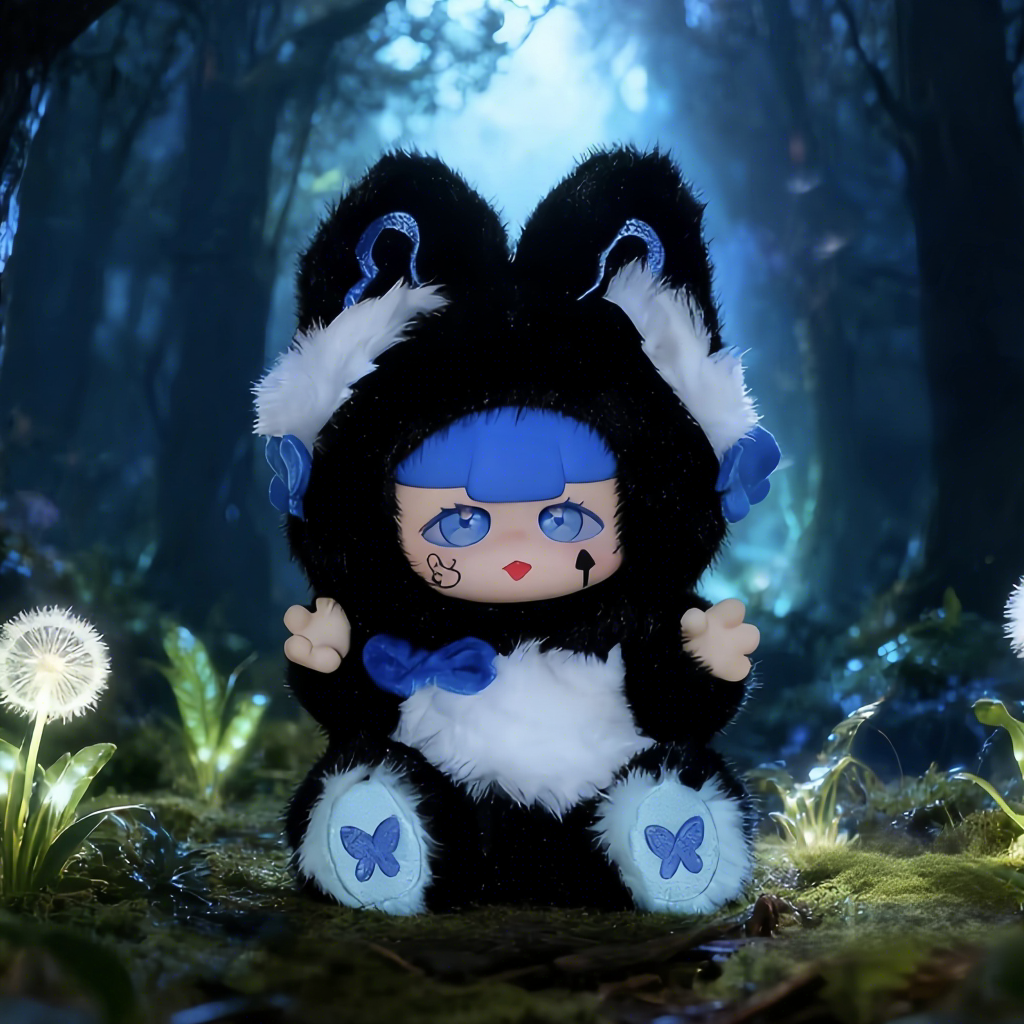
MOMO Whisper Craft Smart Interactive Companion Children's Dialogue Robot Plush Stuffed Animal Blind Box AI Plush Toy Unisex
- Ultra-sensitive MEMS noise-canceling mic
- Encrypted parent-controlled companion app
- Anti-allergenic ultra-soft PP plush shell
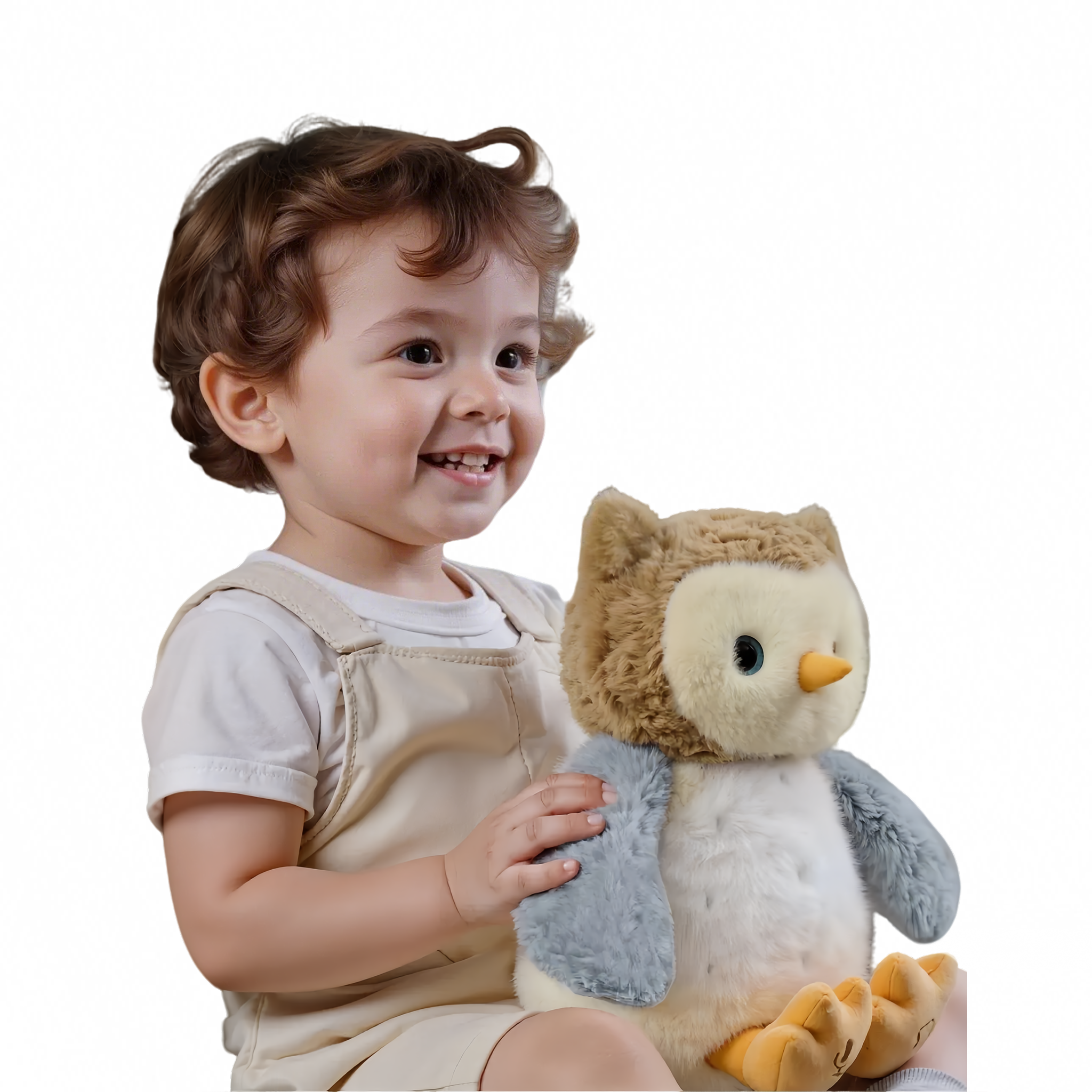
Wholesale Custom Electric Voice Recorder Repeat Singing Talking Remote Control Cute Plush Animal Toy Owl EJOGPUP for Kids 0-7
- Voice morphing & echo feedback loop
- Wireless remote control & singing mode
- Reinforced internal ABS protective chassis

Intelligent Interactive Time Manager Alarm Clock Talking Reading Learning Machine Smart Dog Robot Toys Kids Educational Plastic
- Interactive circadian & study routine coach
- Voice-assisted audio reader modules
- Tactile touch response & LED facial display
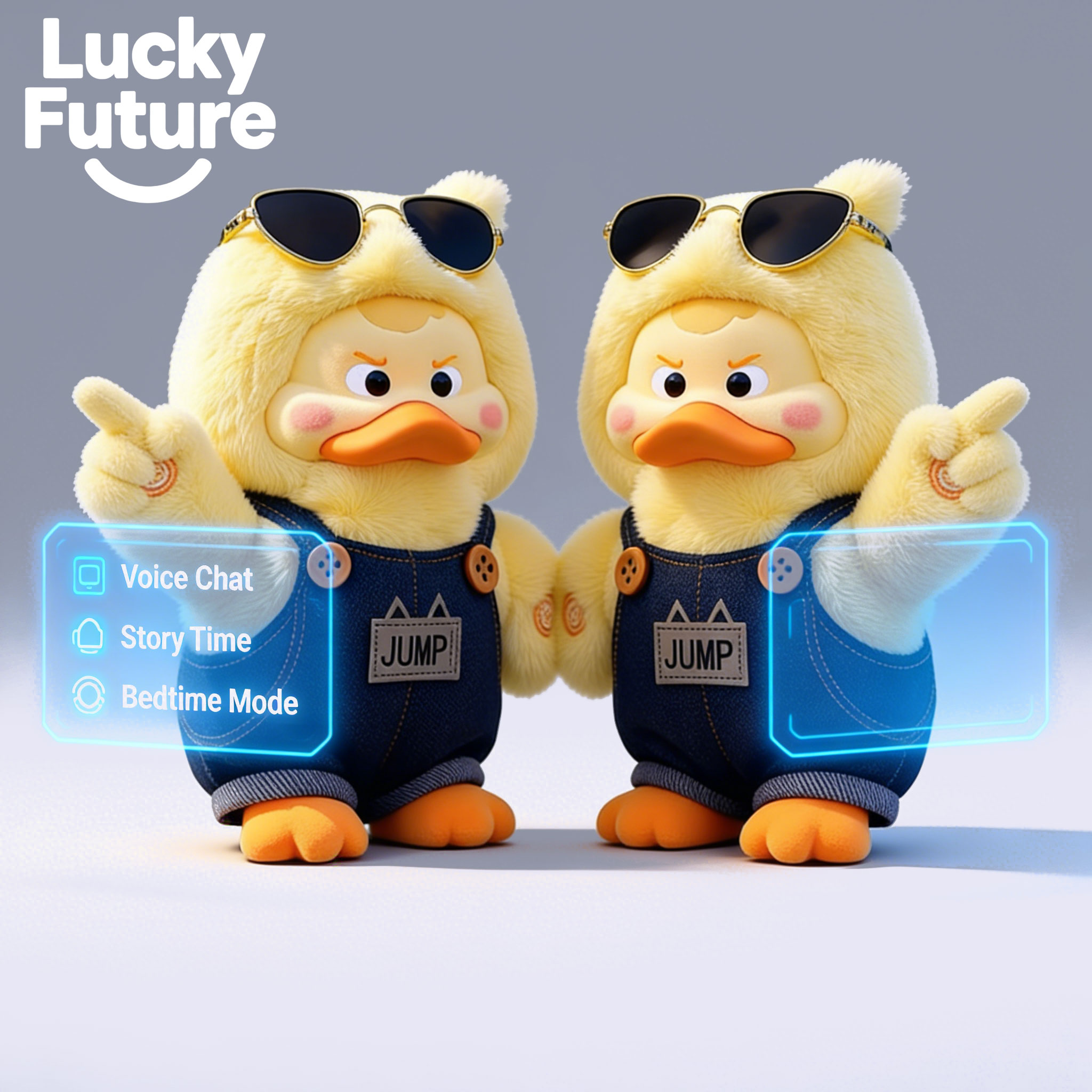
Lulu Duck Plush AI Companion Robot Toy with Emotion Recognition for Kids
- Tone-of-voice sentiment analysis engine
- Adaptive empathetic dialogue responses
- Soft thermal-insulated silicone battery vault
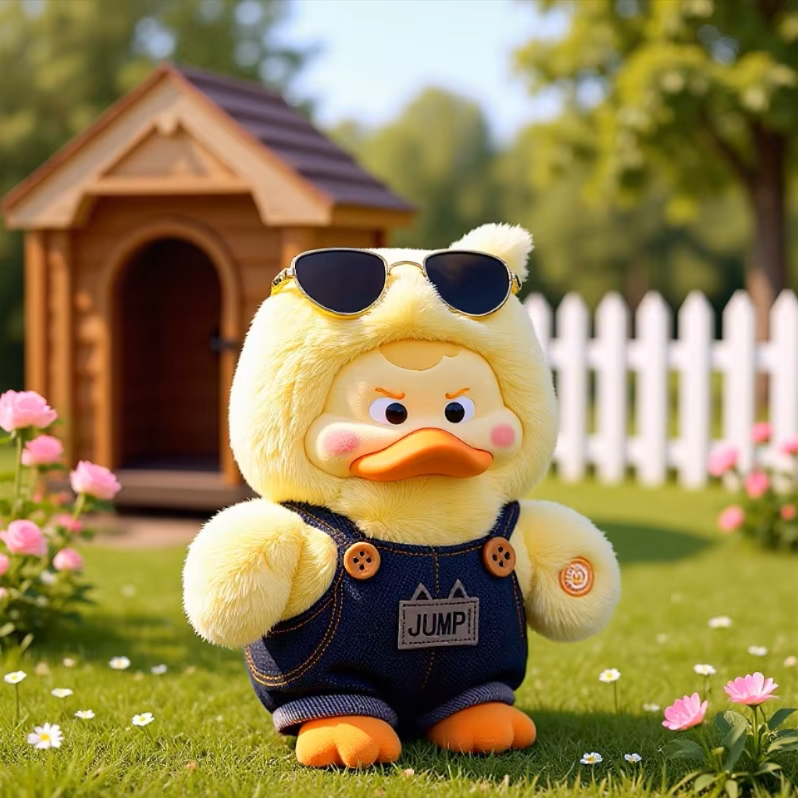
LuluDuck AI-Powered Realistic Intelligent Companion Plush PP Cotton Filled Interactive Doll Voice Chat Toys for Kids 15cm Unisex
- Low-latency WebSocket natural streaming speech
- Dual-language automatic translation mode
- Pocket-sized 15cm form factor for travel
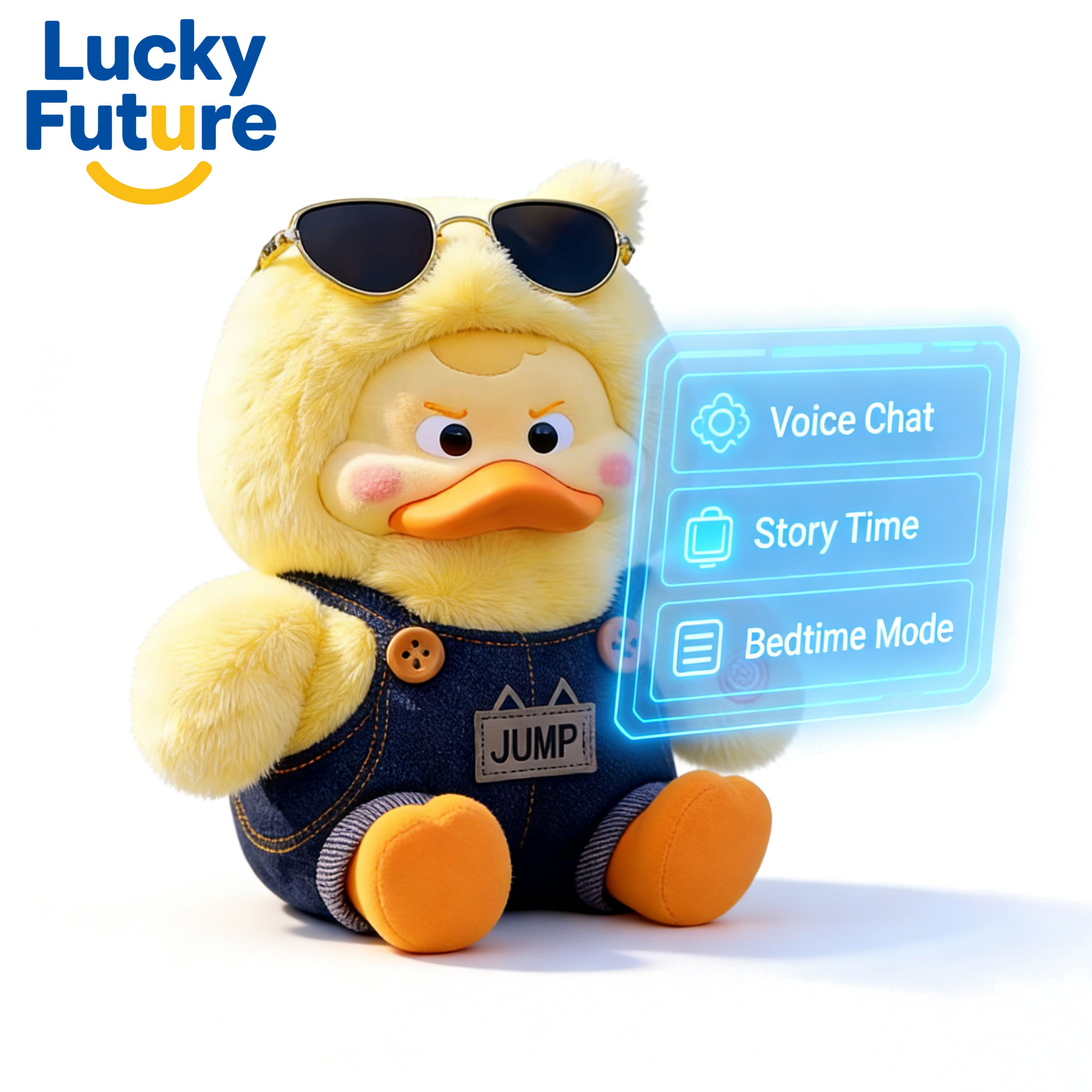
Lulu Duck Ledodo Electronic Robobuddy Plush AI Toy for Kids 7-14 Years Old Rotatable Design
- High-precision micro-servo rotating neck
- Sound source localizing microphone array
- Teen & adolescent cognitive companion logic
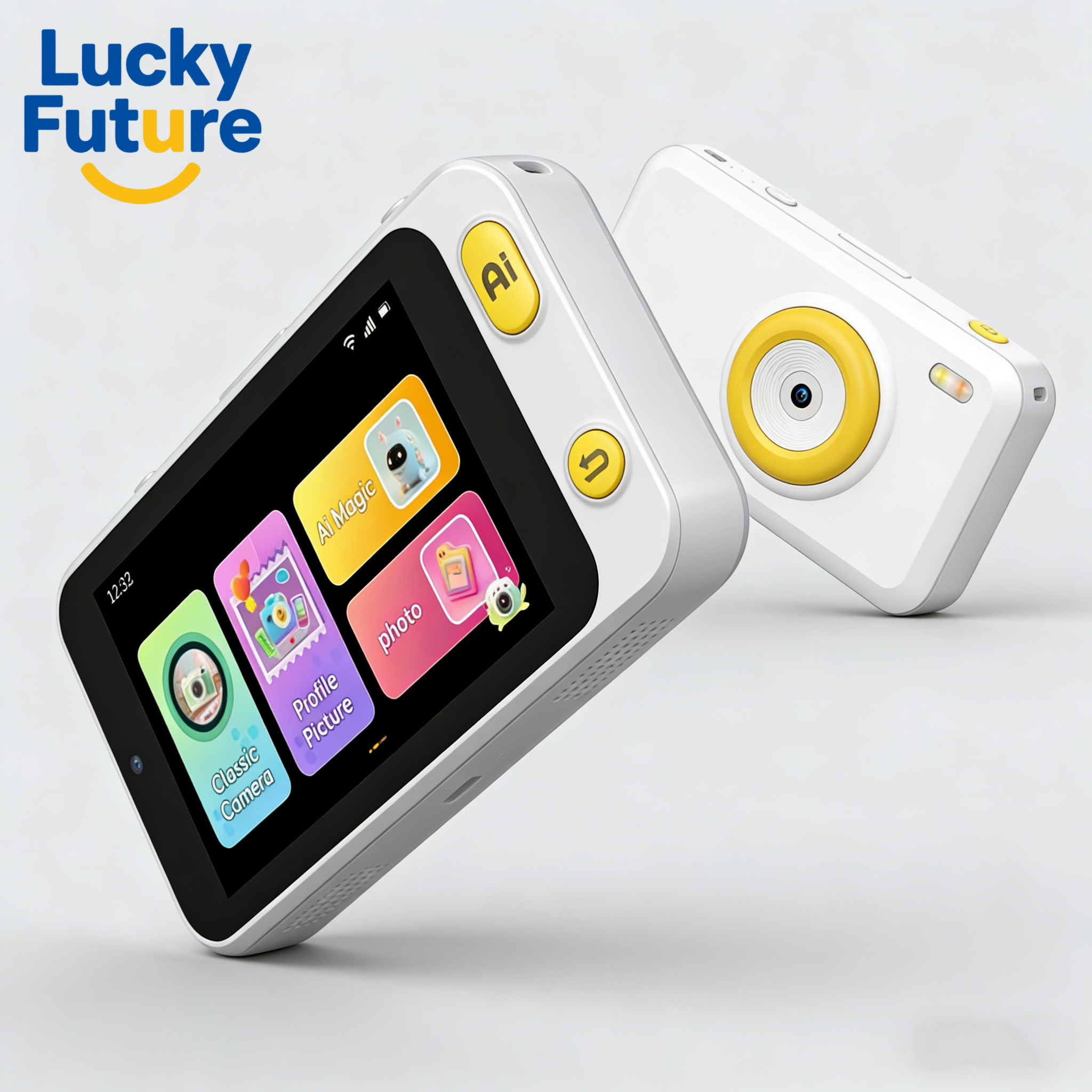
Interactive AI Plastic Battery-Powered Kids Language Learning Camera Toy Educational Object Recognition Projection Games Mini
- On-device tinyML object recognition camera
- Multilingual vocabulary audio projection
- Child-proof ergonomic drop-tested casing
Strategic Sourcing Guide: The Evolution of AI Voice Chat Plush Toys in China
The global juvenile toy market is witnessing a seismic technological shift. Traditional electromechanical plush animals—historically constrained to pre-recorded audio chips, reed-switch playback, and simplistic repeated voice mimicry—are rapidly being phased out by sophisticated conversational artificial intelligence companions. B2B procurement heads, category managers for multinational department stores, and DTC toy brand creators now require far greater technical competence from their Chinese contract manufacturers.
Engineering an enterprise-grade AI voice chat plush toy requires mastering multiple intersecting disciplines: embedded system hardware architecture, acoustic filtering through variable fabric densities, thermal management within enclosed synthetic polyester fiberfill, and international regulatory child privacy compliance (such as COPPA in North America and GDPR-K in Europe). As a premier supply chain and manufacturing partner situated in Shenzhen’s core electronics and manufacturing ecosystem, Shenzhen Aitoyfun Technology Co., Ltd. delivers this comprehensive strategic report to guide global importers through modern specifications, component selection, cost amortization, and risk mitigation.
Future Procurement Trends Shaping the Global AI Plush Market
In upcoming production cycles, competitive market advantage will no longer depend solely on cuddly exterior aesthetics. Instead, it will be dictated by the intelligence-to-cost ratio, conversational latency, and hardware modularity. Global sourcing professionals must align their RFQ criteria with four decisive industrial trajectories:
1. Edge-Cloud Hybrid Topology
Early-generation smart toys relied completely on raw audio streaming to cloud APIs, yielding frustrating 3-to-5 second response latencies that broke children's emotional immersion. Future-ready architectures integrate low-power Edge NPU/DSP silicon (such as Allwinner, Rockchip, or ESP32-S3 variants) running on-device wake-word detection, local voice activity detection (VAD), and light acoustic echo cancellation (AEC). Only structured conversational tokens are routed to cloud LLMs (GPT-4o mini, Claude 3.5 Haiku, or custom regional localized models), reducing real-time latency below 700 milliseconds.
2. Strict Zero-PII Cloud Compliance
Regulatory scrutiny over children's biometric data is at an all-time high. The Federal Trade Commission (FTC) in the United States and EU data protection authorities enforce heavy penalties on smart toys that store raw audio recordings on unencrypted servers. Forward-looking procurement demands end-to-end tokenization: raw speech streams are immediately converted to text in volatile RAM, stripped of personally identifiable information (PII), and passed through strict parental safety filters before processing. Aitoyfun's architectures feature hardware-level mic kill switches and encrypted local pairing protocols.
3. Modular Electro-Plush Assembly
Traditional electronic plush toys permanently stitched electronic components into the stuffing, creating high RMA return scrap rates, un-washable fabrics, and complex recycling compliance under WEEE directives. The emerging standard employs our patented "Core Module Capsule" method: micro-electronics, lithium batteries, speakers, and microphones are self-contained within an ultrasonically sealed, flame-retardant ABS capsule. This capsule fits securely inside an invisible zippered plush skin, allowing effortless skin removal for washing, firmware field-flashing, or battery end-of-life recycling.
Technical Benchmark: Legacy Talking Plush vs. Modern AI Voice Chat Companion
When issuing Requests for Quotation (RFQs) to Chinese suppliers, enterprise procurement teams must clearly distinguish between legacy audio toys and modern neural conversational platforms. The following engineering matrix outlines the baseline standards Aitoyfun executes for global tier-1 toy distributors:
| Hardware / Architectural Layer | Traditional Talking Plush (Legacy) | Aitoyfun Gen-3 AI Companion Platform | Procurement Value & Compliance Impact |
|---|---|---|---|
| Main Processing Unit | 8-bit OTP (One-Time-Programmable) MCU | Dual-core 32-bit RISC-V / ARM SoC with dedicated NPU | Supports local wake-words, firmware OTA updates, and secure cryptographic boot routines. |
| Acoustic Input (Microphone) | Omnidirectional single electret capsule (ECM) | Dual digital MEMS array with hardware beamforming & AEC | Isolates children's voices in high-ambient home noise (up to 75dB) without voice distortion. |
| Conversational Engine | Fixed ROM audio clips (10-30 seconds limit) | Multi-turn LLM inference via WebSocket streaming TTS | Infinite contextual storytelling, cognitive learning games, emotional reassurance dialogue. |
| Plush Shell Washability | Non-washable; internal wires soldered across limbs | Modular quick-release capsule; 100% washable exterior | Drastically slashes customer returns and extends product lifespan for higher retail reviews. |
| Battery & Thermal Safety | Standard dry AAA batteries or unprotected Li-ion | UL1642 / IEC62133 certified Li-Po with dual NTC thermistors | Guarantees zero thermal runaway inside insulating cotton; shuts down automatically above 45°C. |
| Privacy & Data Security | No connectivity (N/A) | TLS 1.3 encrypted data channel, Zero-Audio retention server | Direct compliance with COPPA, California SB-327, and EU GDPR Article 8 minors protection. |
Acoustic & Thermal Engineering Inside Plush Form Factors
Integrating sensitive computing electronics, wireless RF antennas, micro-speakers, and lithium-polymer energy storage into a soft, cuddly toy poses unique engineering bottlenecks that standard consumer electronics factories cannot solve.
Acoustic Impedance Compensation
Plush textiles (such as velboa, coral fleece, and long-staple faux fur) along with non-woven cotton stuffing act as low-pass acoustic filters, attenuating high frequencies above 3kHz by up to 14dB. This typically causes muddy, unintelligible voice playback and severely degrades automatic speech recognition (ASR) accuracy. Aitoyfun solves this by deploying inverse DSP digital equalization curves calibrated specifically against the tested textile density, alongside tuned acoustic wave-guides that direct clear audio outward through concealed micro-perforated silicone badges.
Thermal Dissipation in Insulated Fiber
Polypropylene (PP) cotton stuffing is an exceptional thermal insulator. During intensive Wi-Fi data streaming or multi-hour continuous conversation, power management ICs (PMIC) and audio power amplifiers generate ambient heat that cannot easily dissipate through conventional convection. Our hardware engineering utilizes high-efficiency Class-D smart amplifiers (92%+ efficiency), low-die-temperature microcontrollers, and isolated flame-retardant internal cavities surrounded by air-permeable mesh chambers, keeping external surface temperatures strictly under 38°C.
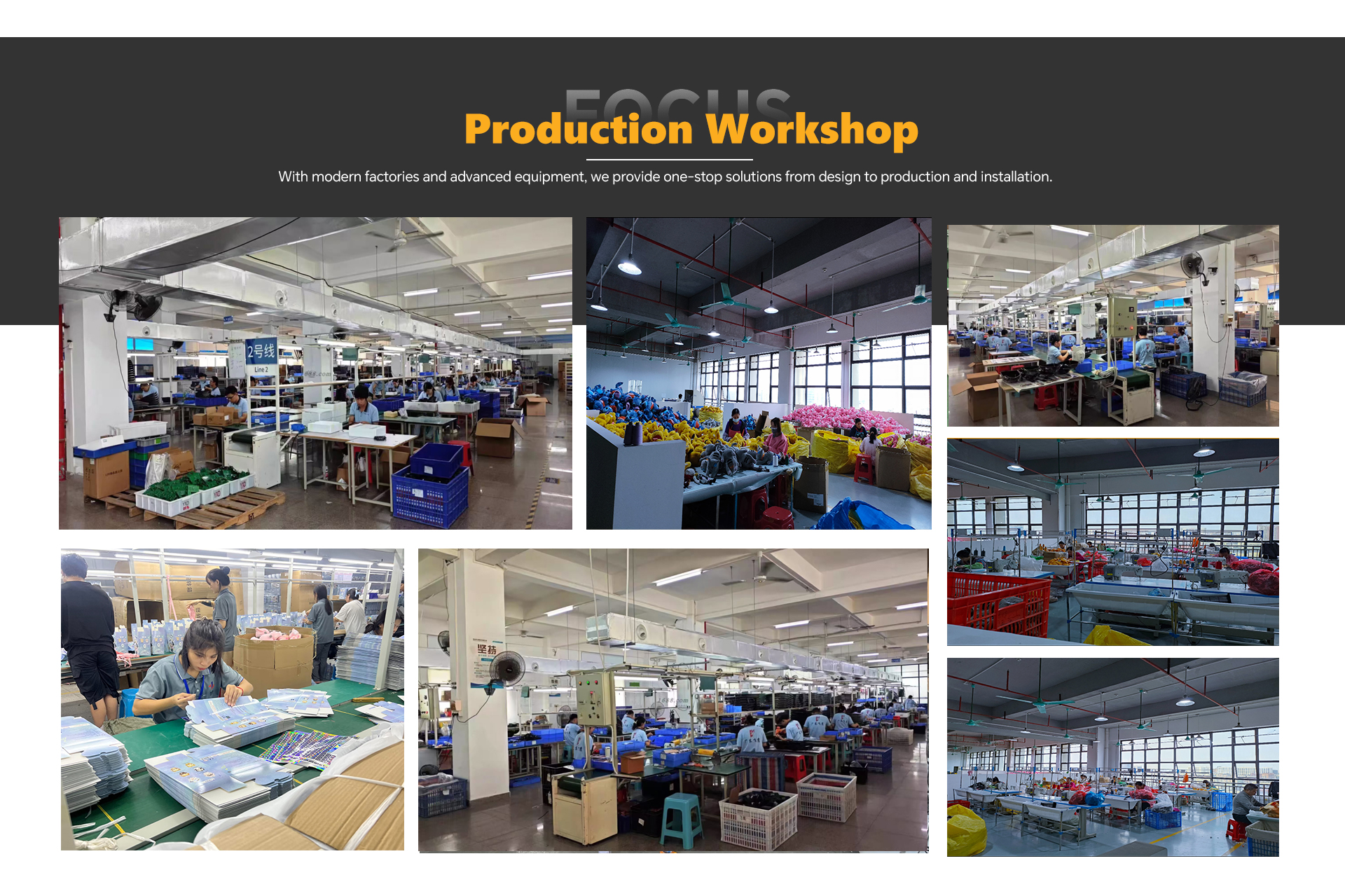
Shenzhen Aitoyfun Precision Manufacturing Facilities
Our audit-verified facilities encompass precision SMT production, robotic cleanroom assembly, automated plush cutting and embroidery, and comprehensive acoustic testing laboratories. Every single unit undergoes a four-stage validation protocol before packing:
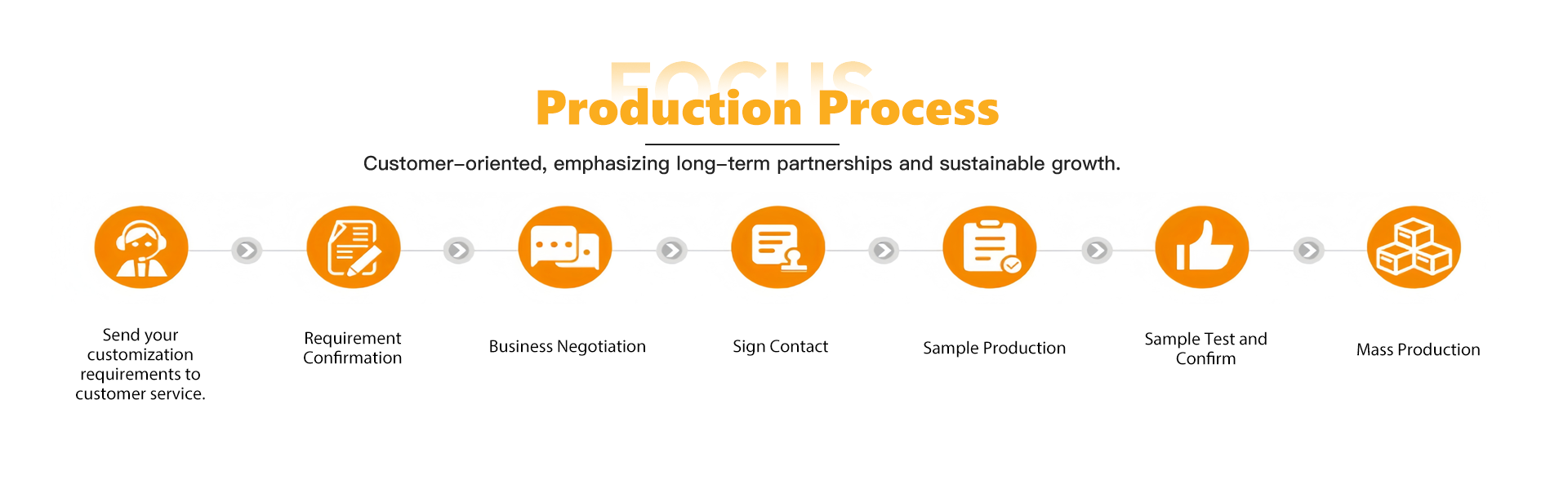

Tested, Accredited & Export-Compliant for Tier-1 Retail
We work directly with certified global testing laboratories—including SGS, TÜV Rheinland, and Intertek—to deliver full compliance documentation prior to bill-of-lading issuance.

Shenzhen Aitoyfun Technology: The Core Advantage
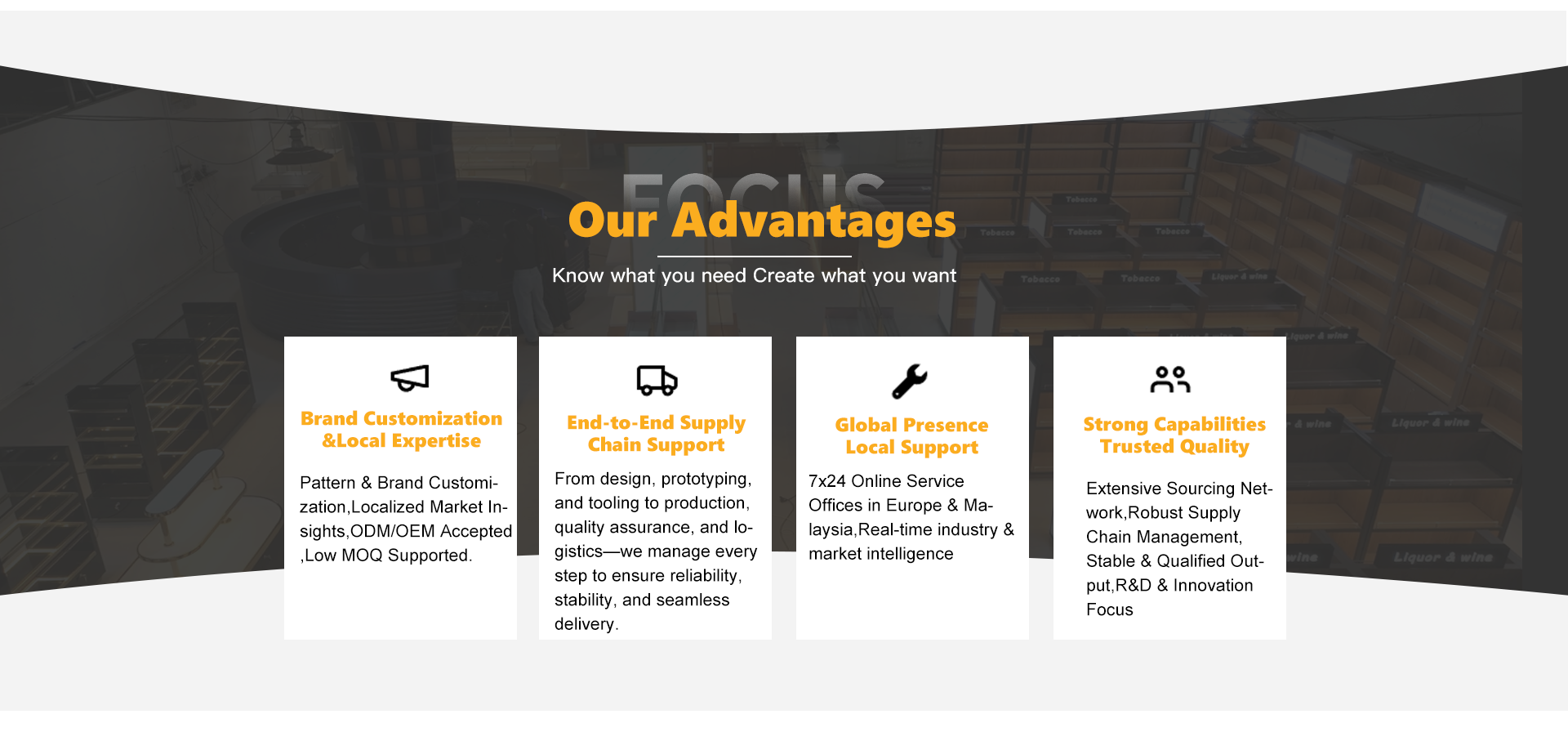
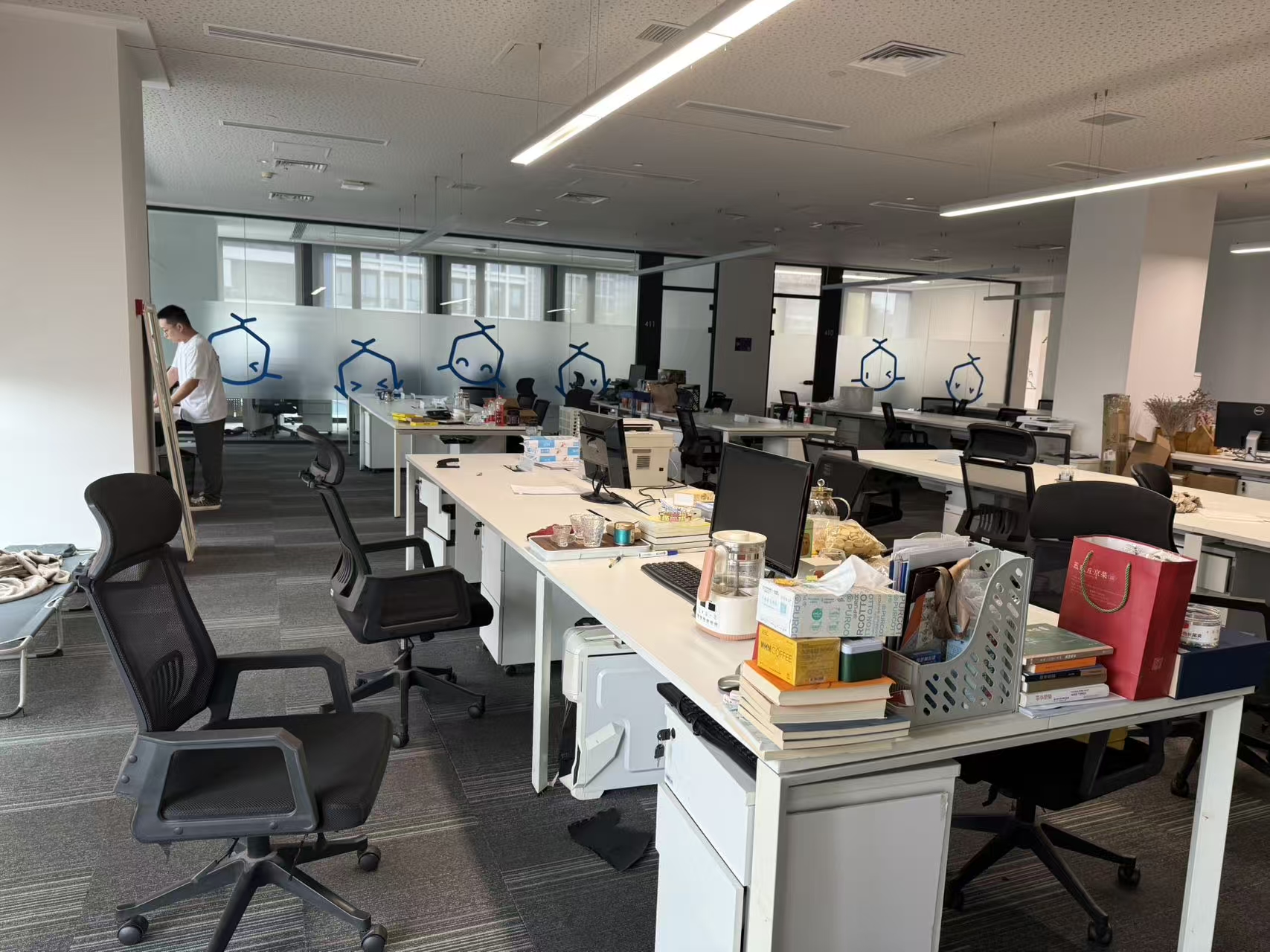
Unlike conventional trading intermediaries or low-tech cut-and-sew workshops, Shenzhen Aitoyfun Technology Co., Ltd. is a vertically integrated smart toy supply chain operator based in Shenzhen, China's world-leading hardware silicon capital. We connect innovative consumer toy concepts with over 200 high-grade industrial clusters across the Pearl River and Yangtze River deltas.
Frequently Asked Questions: Sourcing AI Voice Chat Toys from China
Essential guidance covering Minimum Order Quantities (MOQ), API token amortization, privacy audits, tooling lead times, and international shipping.