




1. Executive Summary & The Paradigm Shift in Connected Child Devices
The global juvenile entertainment and educational electronics market is experiencing an unprecedented structural pivot. The historical line separating static, pre-programmed IC (Integrated Circuit) sound-chip toys from dynamic educational hardware has completely dissolved. Driven by recent breakthroughs in miniaturized Edge-AI silicon, cloud-native conversational Natural Language Processing (NLP), and localized Automatic Speech Recognition (ASR), children’s smart toys have evolved from linear, playback-focused accessories into interactive, adaptive developmental companions.
As premier Chinese contract manufacturers and engineering solution providers, Shenzhen Aitoyfun Technology Co., Ltd. leads this category transformation. Headquartered in Shenzhen, Guangdong—the epicentre of global microelectronics prototyping and high-volume consumer goods assembly—our facility bridges sophisticated multi-modal algorithmic software with child-safe industrial design. For global distributors, enterprise toy brands, mass-market retail conglomerates, and institutional educational suppliers, sourcing from an advanced AI manufacturing partner is no longer merely a transaction based on Bill of Materials (BOM) cost. Instead, it involves aligning with an agile original equipment manufacturer (OEM) and original design manufacturer (ODM) that possesses proprietary control over acoustic array tuning, secure child-data pipeline protocols, and compliant robotic mechanical assembly.
2. Architectural Evolution of Smart AI Toys: From Sound Chips to Localized LLMs
To capitalize on search intent and assess market feasibility, procurement officers must understand the mechanical and digital taxonomy governing contemporary smart juvenile hardware. Our engineering laboratory classifies AI juvenile products across four defined evolutionary tiers:
Tier 1: Pre-recorded Reactive Playback Devices. Historically ubiquitous, these systems rely on hard-coded mask ROM microcontrollers. Activation is strictly binary, initiated via simple tactile switches, tilt sensors, or rudimentary optical photodiodes. While physically resilient, these units offer near-zero retention rates in mature retail channels and are rapidly being phased out by institutional buyers.
Tier 2: Algorithmic Repeat & DSP Modulated Companions. Exemplified by hardware such as our EJOGPUP Interactive Voice Recorder platform, these devices integrate dedicated Digital Signal Processors (DSP) paired with flash memory modules. They incorporate dynamic sampling routines capable of real-time acoustic pitch shifting, ambient audio recording, and continuous feedback loops. This segment retains intense consumer velocity across entry-level gifting, offering competitive unit economics without demanding extensive RF networking components.
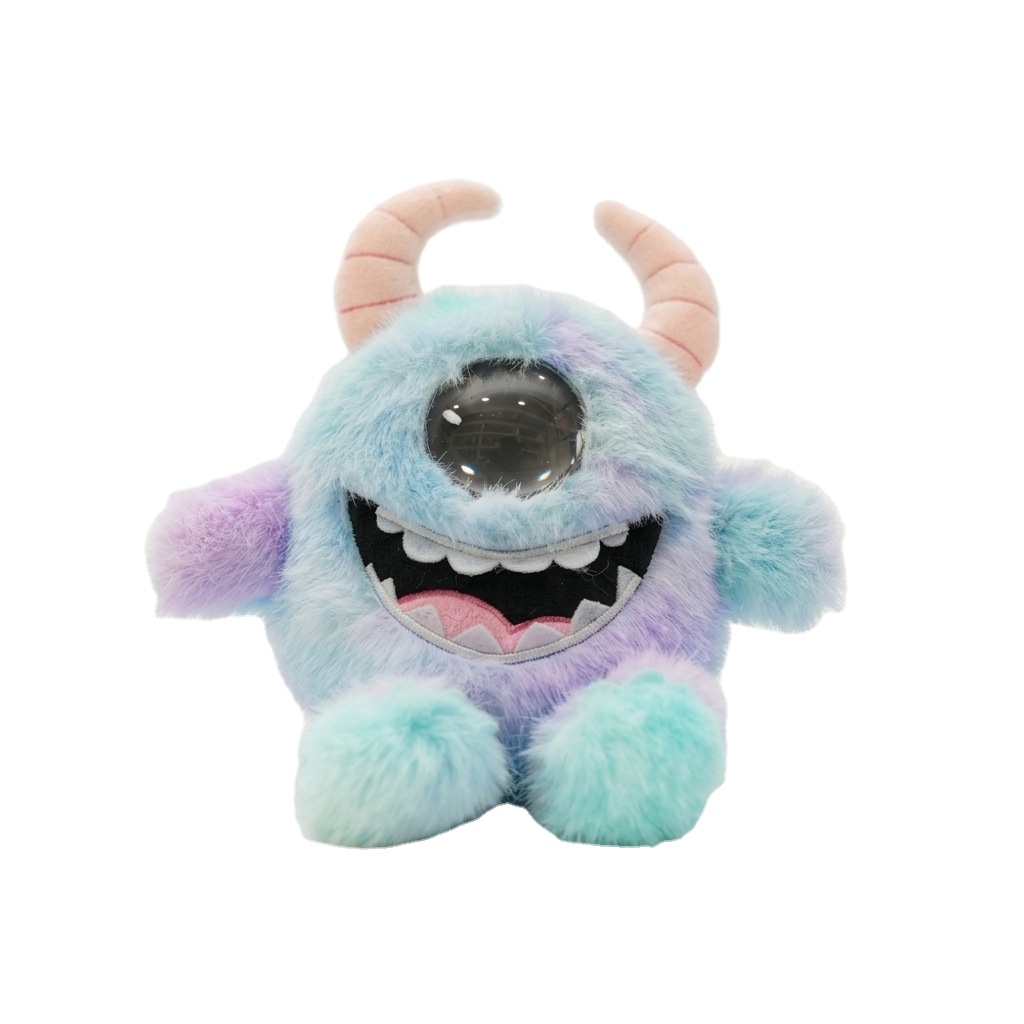
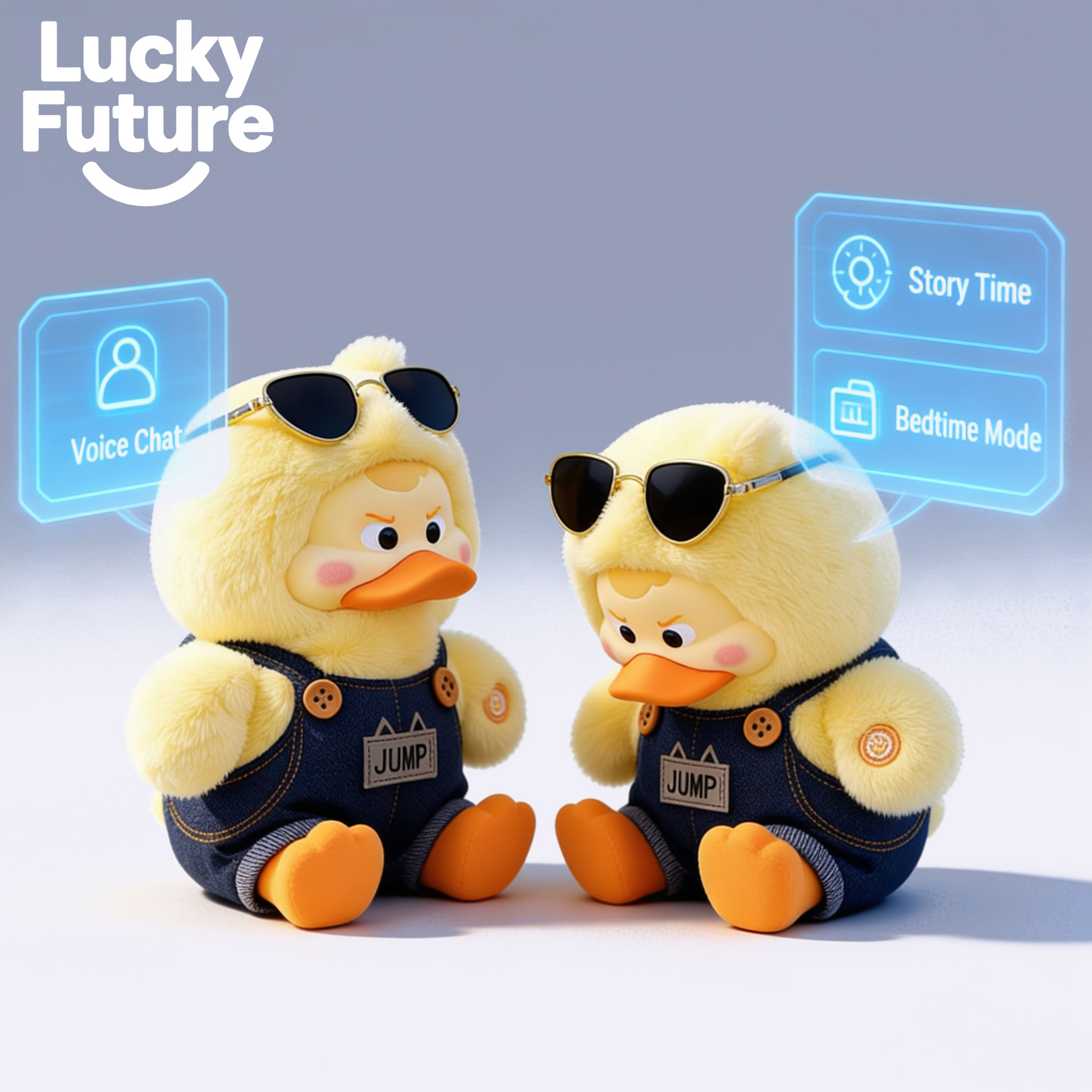
Tier 3: Dual-Mode Bluetooth Low Energy (BLE) / Wi-Fi App-Tethered Systems. The architectural sweet spot for premium retail operations. Represented by the Lulu Duck and MOMO Whisper Craft lineups, these units contain high-performance dual-core microcontrollers (such as ESP32-S3 or custom RISC-V silicons) managing wireless data transmission, onboard sensory matrices, and motor-driven kinetic actions. The intensive natural language modeling is executed via a sandboxed, COPPA-compliant parent-controlled mobile application or private cloud server, achieving conversational latency metrics under 800 milliseconds while keeping physical unit production costs tightly managed.
Tier 4: Standalone Edge-Computing Cognitive Synthesizers. The next operational frontier for our research and development pipelines. These standalone companions feature low-power Neural Processing Units (NPUs) directly embedded on the PCBA. They process voice activity detection (VAD), localized keyword spotting (KWS), and closed-loop bionic memory functions directly on the toy, completely removing the absolute requirement of persistent external internet connectivity while ensuring absolute offline conversational security.
3. Future Procurement Trends in the Smart Toy Ecosystem (2025–2030)
For international buyers structuring purchasing contracts, analyzing multi-year procurement vectors is essential to avoid inventory obsolescence. Over the next five years, five macro-trends will dominate smart toy manufacturing and supply networks:
Edge-AI & Zero-Knowledge Privacy Architectures
Escalating international privacy mandates (FTC COPPA updates and the EU Artificial Intelligence Act) are driving demand for local-first inference engines. Future procurement cycles will favor hardware solutions that execute ASR and natural language comprehension entirely on-chip, mitigating cloud exposure and data compromise risks.
Sustainable Hardware & Circular Polymers
Tier-1 retail procurement requires environmental transparency. We are aggressively moving our manufacturing matrices toward PCR (Post-Consumer Recycled) ABS casings, eco-certified RPET plush textiles, food-grade silicone contact areas, and lead-free ultrasonic bonding techniques that eliminate hazardous adhesives.
Multimodal Social-Emotional Robotics
Toys must now comprehend both acoustic input and kinetic touch. Integrating capacitive touch meshes, six-axis IMU gyroscopes, and vision-based gesture chips transforms companion play into structured, responsive, and therapeutic emotional developmental sessions.
Furthermore, procurement structures are transitioning toward modularized SKU designs. Brands can no longer afford to redesign complete mold tooling for every product generation. Our factory utilizes unified electronic sub-chassis and standardized acoustic cavities that allow foreign brand partners to alter exterior plush styling, custom outer molds, or localized software personalities without reinvesting in primary tool steel or re-certifying main PCB electronic assemblies.
4. Technological Development & Industrial Integration Vectors
The successful production of smart juvenile electronics requires harmony between three traditionally distinct industrial domains: precision electronic manufacturing, high-detail plastic injection tooling, and needle-trade textile tailoring. In typical fragmented supply chains, a failure in component integration between the textile shell and the internal battery enclosure frequently causes thermal buildup, muffled acoustic fidelity, or premature wire fatigue.
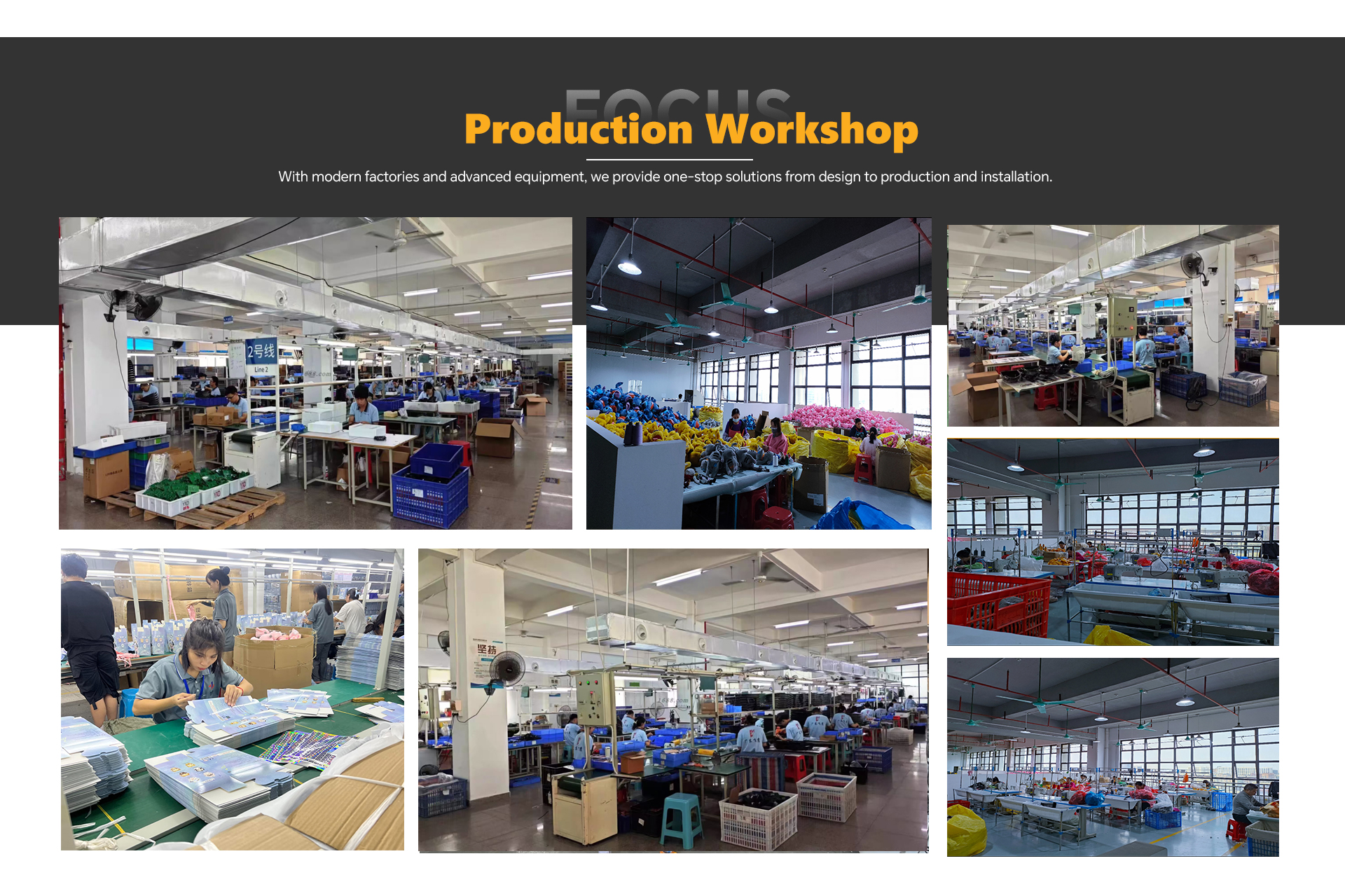
Shenzhen Aitoyfun solves this friction point through centralized Pearl River Delta vertical cluster integration. Our cleanroom facilities run high-precision Surface Mount Technology (SMT) lines specifically calibrated for miniaturized toy-grade PCBAs. High-speed placement machines handle micro-controllers, crystal oscillators, power management ICs, and MEMS microphones alongside strict moisture-barrier conformal coatings to withstand accidental saliva or liquid penetration—a core concern highlighted in ISO 8124 child safety standards.
Similarly, acoustic chamber design represents a sophisticated engineering challenge in AI plush development. Speakers cannot simply be sewn into soft polyester batting. Sound waves muffled by heavy exterior plush fabric will severely degrade conversational output, while the internal microphone array risks picking up the resonance of the companion's own internal mechanical servos. Our DFM protocols implement acoustically sealed internal ABS chambers, isolating microphone intake ports using tuned acoustic silicon damping rings. This preserves high signal-to-noise ratios (SNR), allowing clear far-field voice capture even in noisy domestic settings.
5. Enterprise Manufacturing Advantages: Why Sourcing via Aitoyfun Mitigates Supply Chain Risk
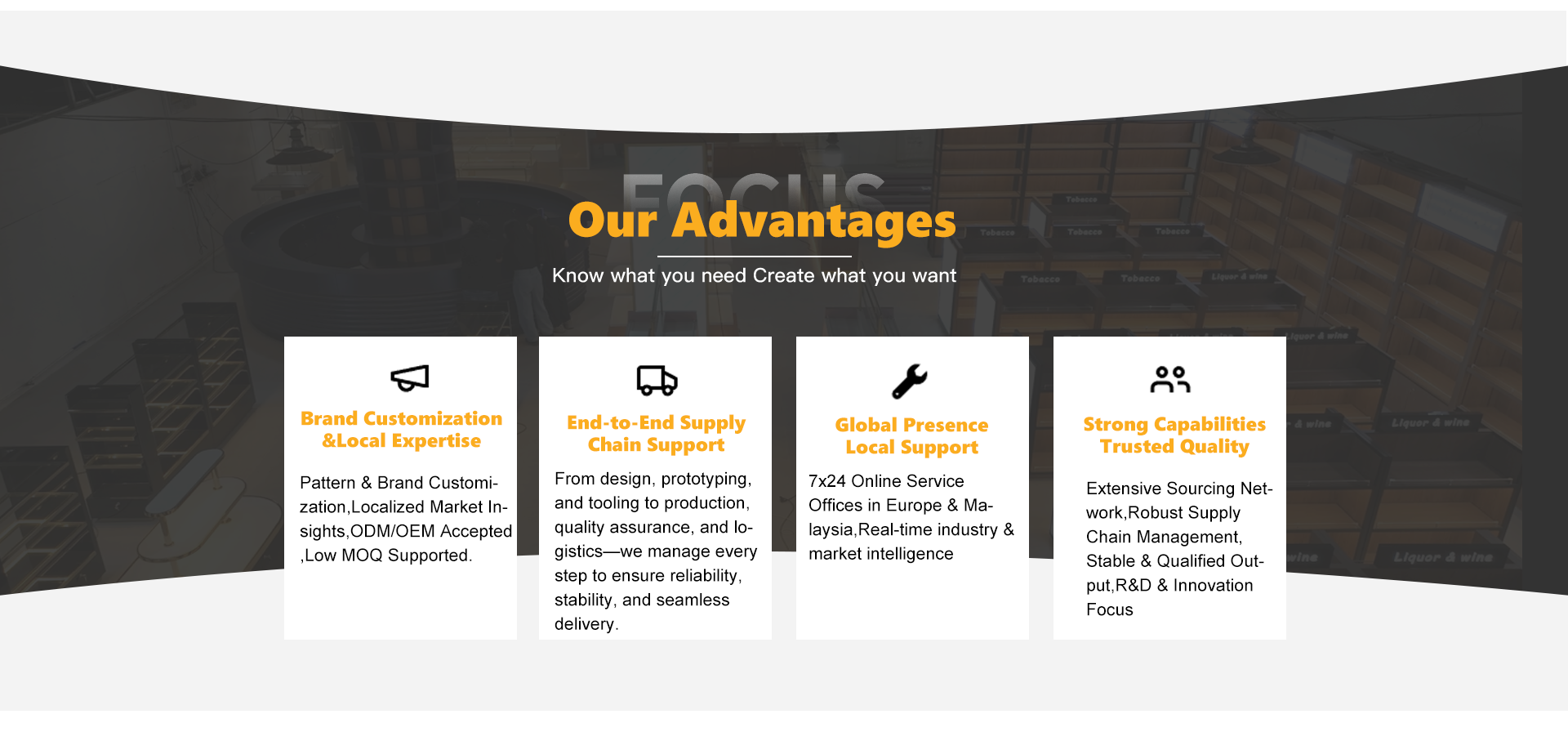
Navigating Asian manufacturing corridors demands absolute institutional dependability, robust technical competency, and verifiable supply integrity. Shenzhen Aitoyfun Technology Co., Ltd. provides clear manufacturing advantages established over decades of international industrial execution:
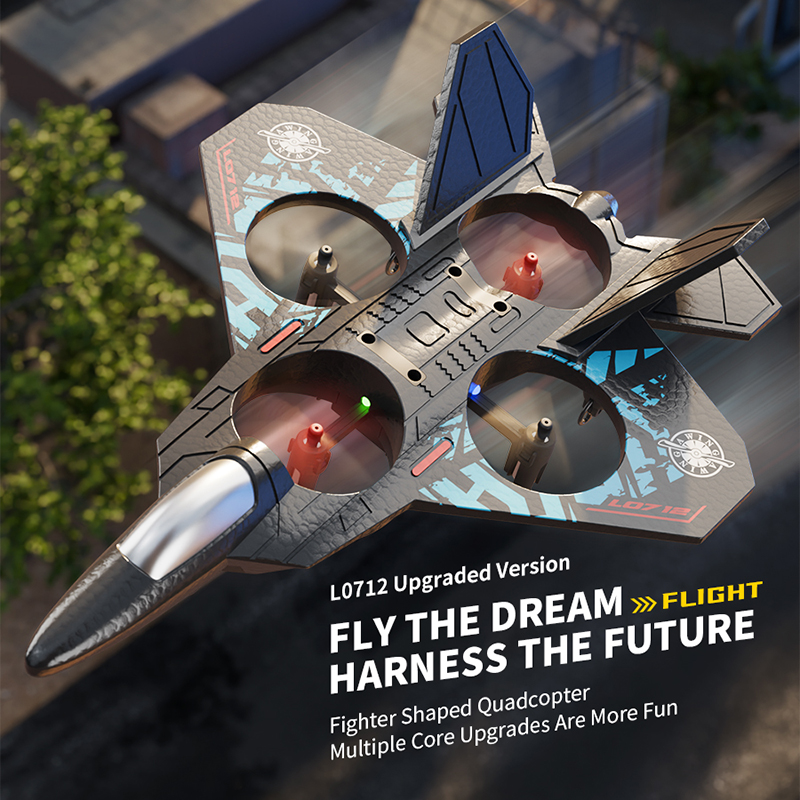
1. Direct Linkage to Over 200 Core Industrial Clusters: Situated in Shenzhen, our operational infrastructure directly leverages regional specialization across Guangdong, Zhejiang, and Jiangsu provinces. Whether sourcing specialized MEMS acoustic arrays, medical-grade silicones, aerospace-grade EPP foams for our RC Fighter Jet platforms, or high-tensile plush skins, we negotiate tier-one volume pricing, insulating our clients from upstream price shocks.
2. In-House Engineering & Prototyping Speed: Supported by a dedicated engineering squad of more than 50 mechanical designers, firmware developers, acoustic specialists, and software engineers, we compress the traditional concept-to-physical-validation timeline. Standard rapid prototyping workflows deliver functioning stereolithography (SLA) models, verified PCB mockups, and sewn prototype assemblies within an agile 7 to 10 working days.
3. Rigorous 100% Full-Lifecycle Quality Assurance: In contrast to standard trading agents who rely strictly on final Acceptance Quality Limit (AQL) box counting, we execute a comprehensive four-tier inspection regime across 100% of manufactured units. This encompasses incoming raw material testing (toxicology and heavy-metal screening), SMT AOI (Automated Optical Inspection), in-line assembly functional testing (voice verification, battery internal resistance testing, motor stall checks), and rigorous pre-shipment stress screening (continuous drop testing, thermal chamber burn-in, seam pull-strength checks).
4. Pan-Global Regulatory Compliance Assurance: Aitoyfun’s engineering architectures are constructed from day one to achieve compliance across every premier regulatory jurisdiction. We maintain proactive operational workflows with world-recognized third-party testing organizations including SGS, TÜV Rheinland, and Intertek, guaranteeing seamless market entry across Europe (CE, EN71 Parts 1-3, EN62115, RoHS, REACH) and North America (FCC Part 15B, ASTM F963, CPSIA Title 1, Section 101/108).
5. Operational Localized Representation in Europe & Malaysia: Eliminating the traditional barrier of overseas procurement time zones and communication friction, our satellite operations provide localized commercial coordination, after-sales technical support, customer-specific freight logistics routing, and regional warehousing advisory services.
Custom OEM/ODM Engineering
From custom acoustic silicon housings and specialized multi-axis mechanical actions to private-label LLM voice personalities and UI applications, we turn custom product visions into market realities.
Predictable Economics & Flexible MOQs
We provide transparent BOM breakdowns, volume scalability, and pilot-batch MOQ accommodation, enabling retail partners to conduct low-risk regional market validation before full rollouts.
Enterprise Quality Testing
Our production protocols combine acoustic far-field tests, mechanical strain resistance, high-humidity battery reliability runs, and lead-free ultrasonic thermal sealing.
Direct Export Logistics & FOB Management
Comprehensive handling of custom export clearances, consolidated multi-SKU containerization, hazardous material battery transport documentation (UN38.3), and port coordination.
Through our advanced warehouse integration services, enterprise clients importing complex catalogs benefit from professional mixed-SKU packing, barcode generation, Amazon FBA prep services, and custom point-of-sale retail display fabrication directly at our consolidated logistics hub before sea transit, drastically lowering landing costs.