Engineering Next-Generation Multimodal AI Companion Plush & Smart Robotics
The convergence of generative AI large language models (LLMs), localized low-power edge microcontrollers (NPU/DSP), and child-safe physical computing has transformed the traditional plush toy market into a multi-billion dollar intelligent companion ecosystem. Shenzhen Aitoyfun Technology Co., Ltd. delivers end-to-end custom OEM/ODM production lines, transitioning concepts from industrial ID/MD design to verified market-compliant retail containers.
AI Companion Dolls & Intelligent Interactive Product Lines
Explore our core custom-manufactured hardware architectures ready for firmware flashing, casing modification, branded packaging, and private label mass production.
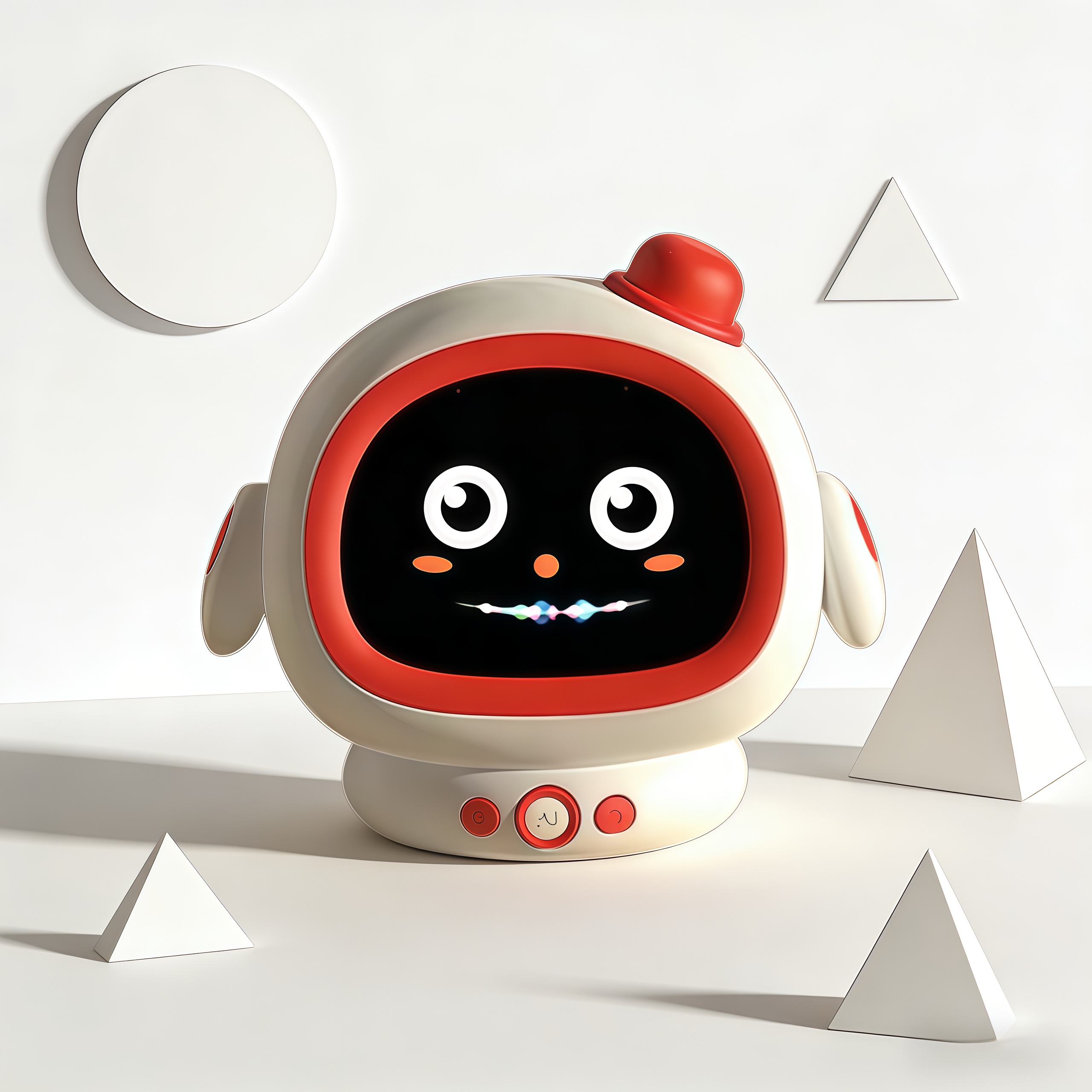
Intelligent Interactive Time Manager Alarm Clock Talking Reading Machine Smart Dog
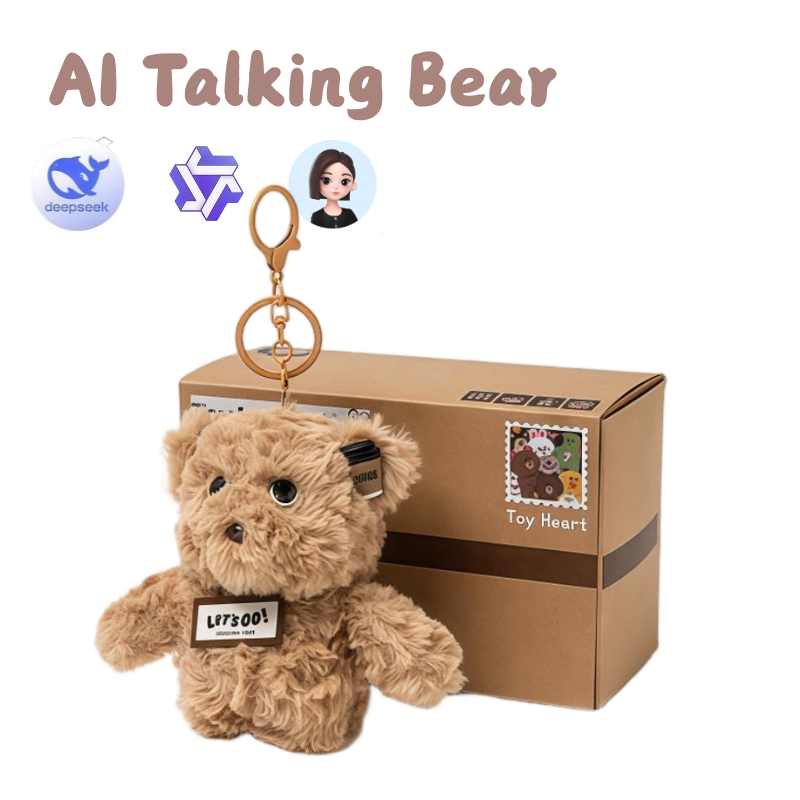
Interactive AI Talking Bear Plush Keychain Doll Stress Relief USB-C
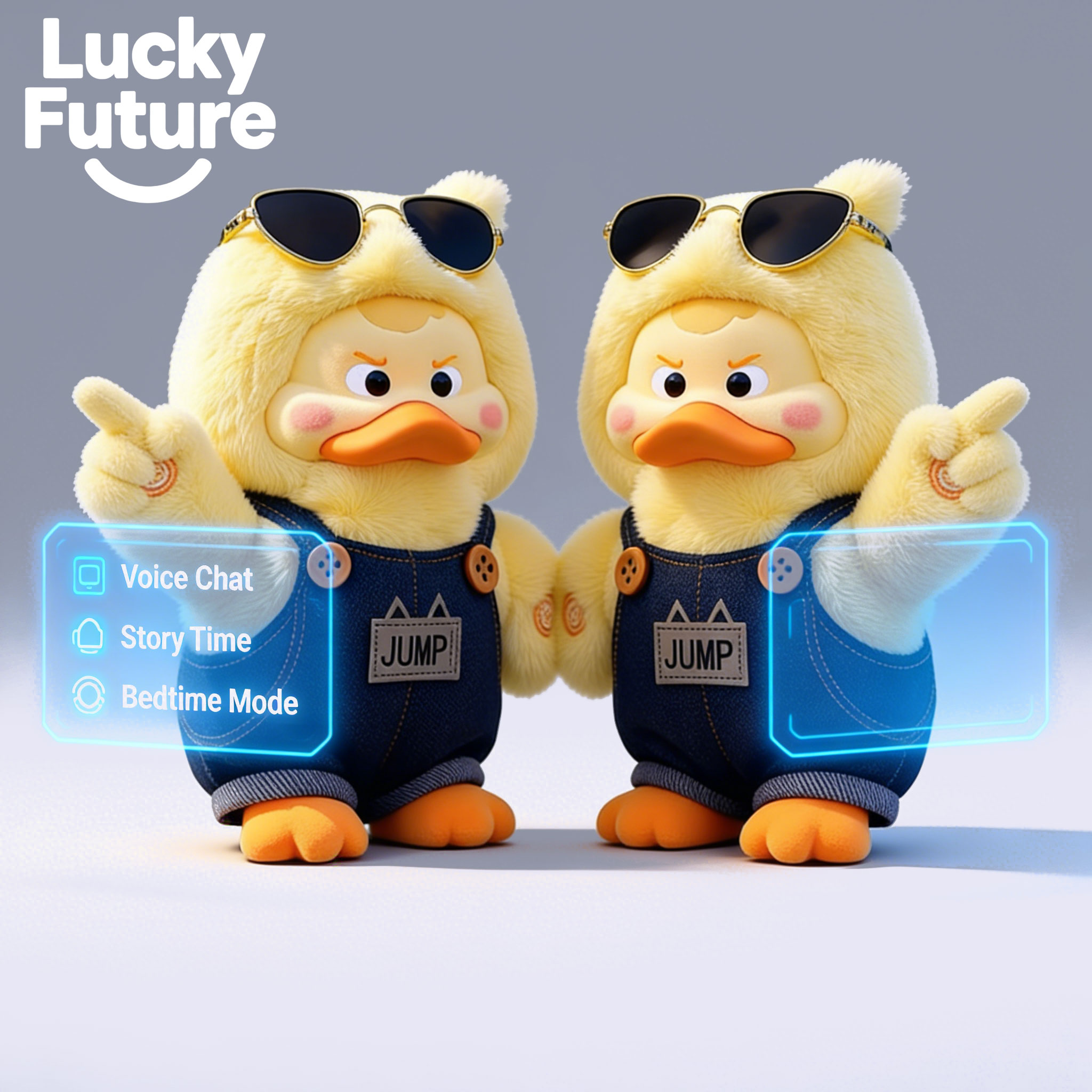
Lulu Duck Plush AI Companion Robot Toy with Emotion Recognition for Kids
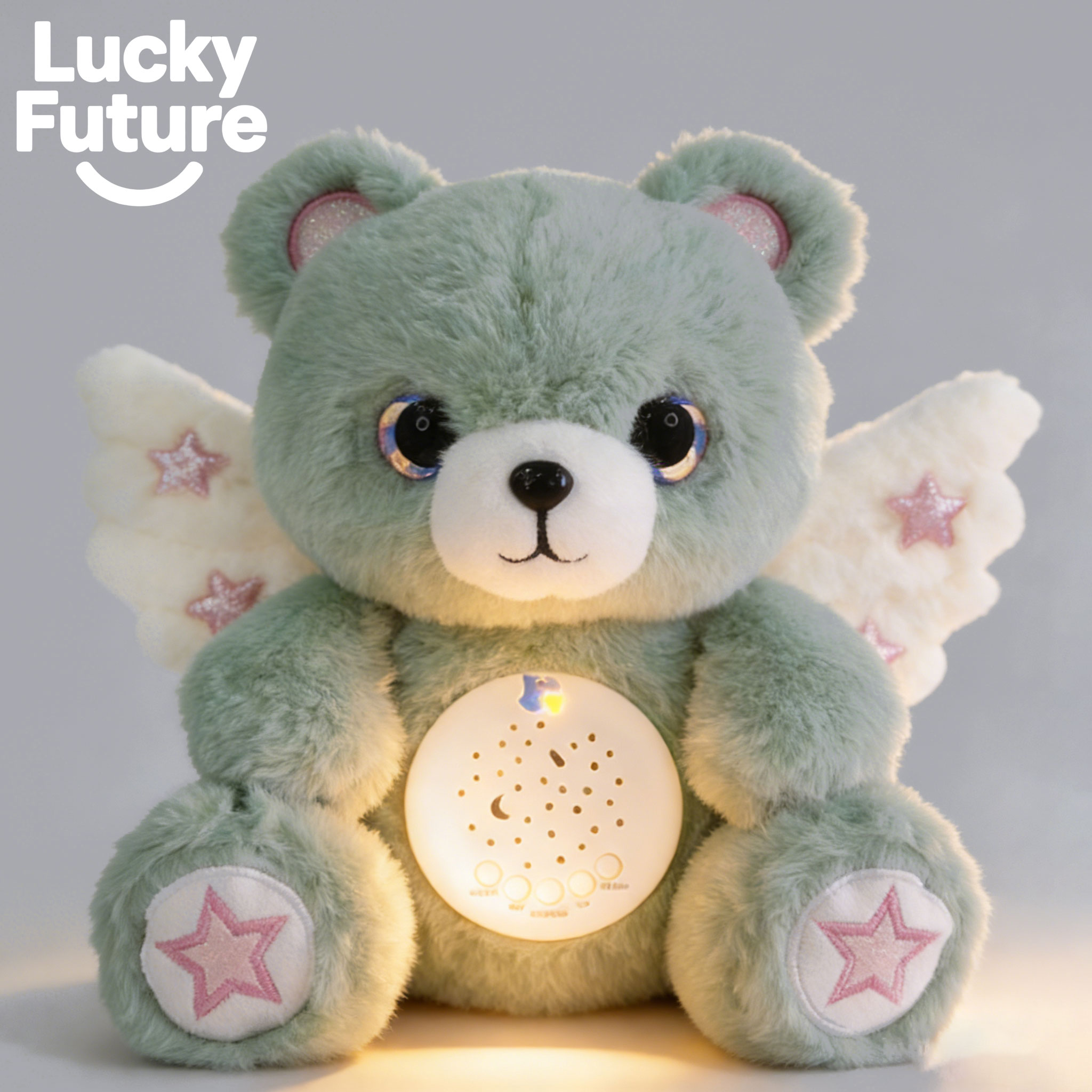
Children's Interactive AI Bear Plush Toy Detachable & Washable Core
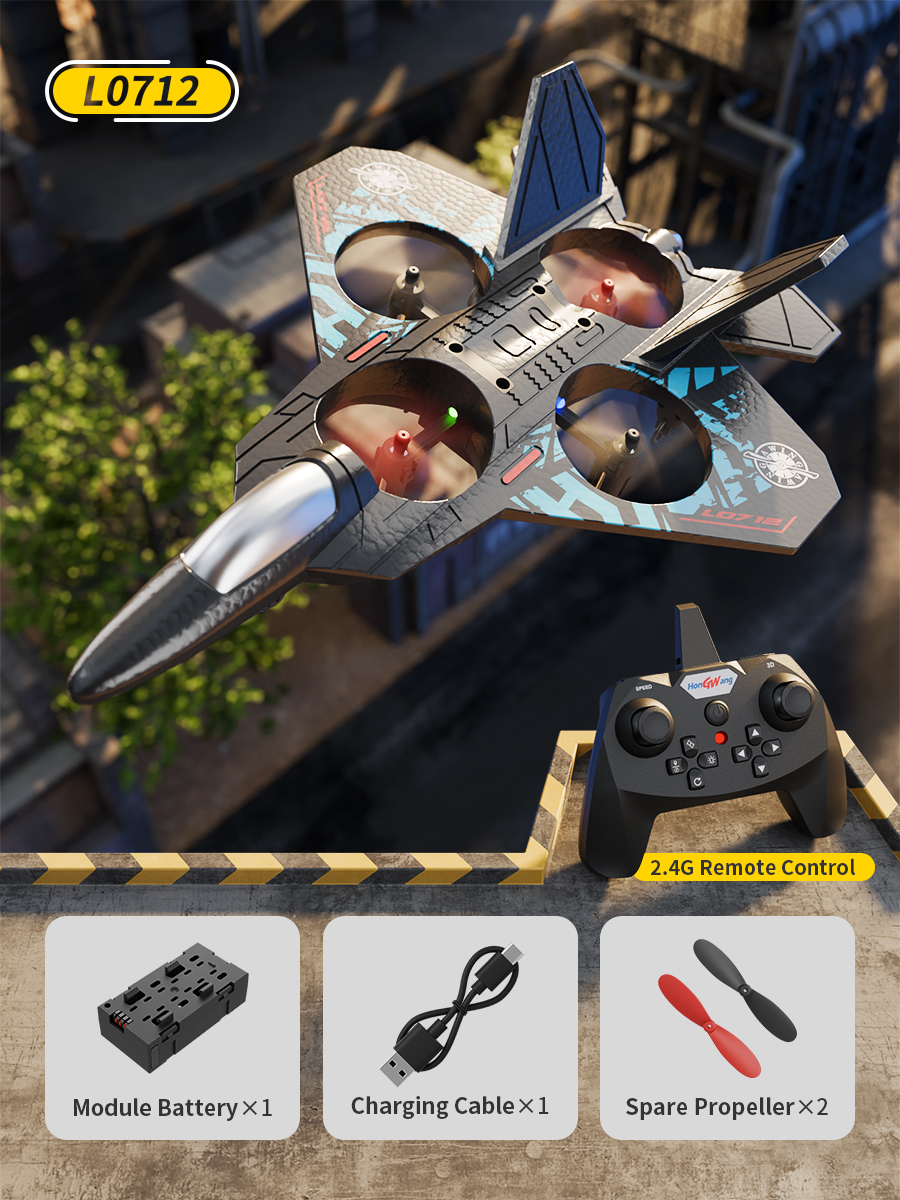
Electric Foam Fixed-Wing Headless 2.4GHz Remote Control Glider Toy

OEM Custom Multilingual Stories Emotional Companion AI Plush Bear
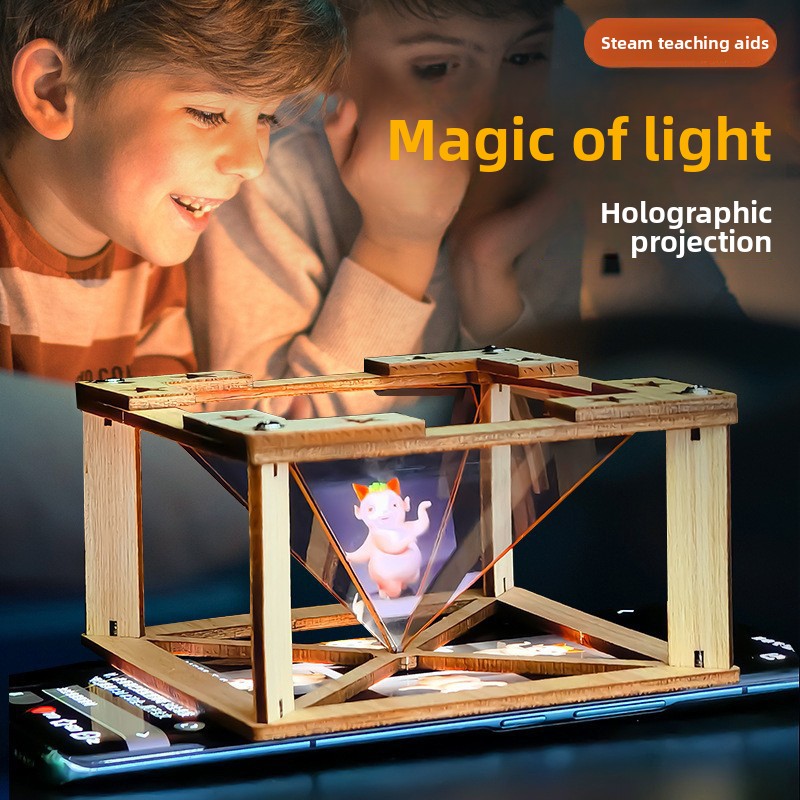
3D Optical Illusion Holographic Projection Box Educational Toy
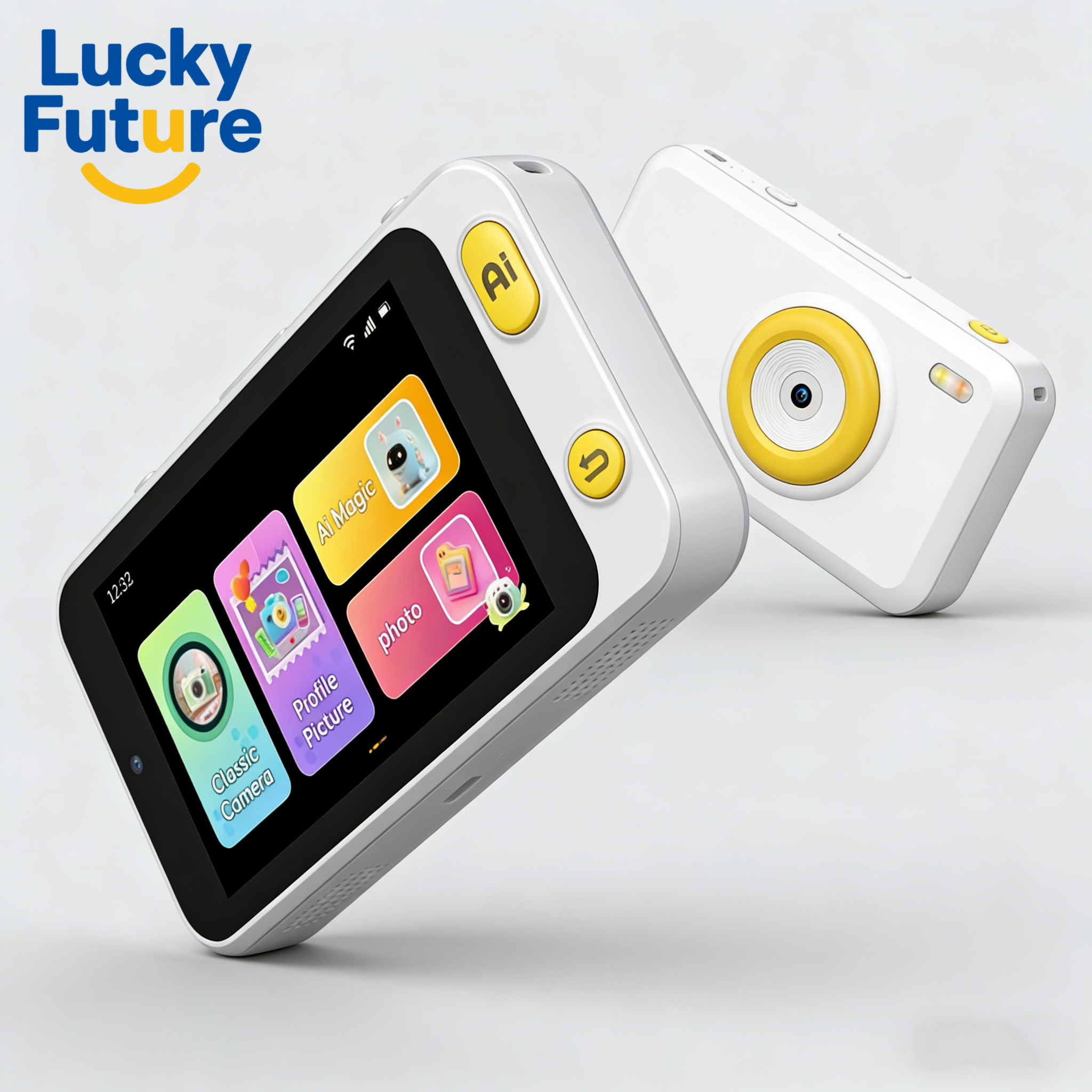
Interactive AI Battery-Powered Kids Language Learning Camera Toy
Need bespoke IP character styling, proprietary firmware, or custom acoustic enclosures?
Get CatalogDeep Architectural Breakdown of an AI Animal Doll
Designing modern smart plush toys requires strict decoupling between fragile computing circuits and huggable plush skins. Below is the multi-layered engineering structure implemented across Aitoyfun production lines.
Modular Core Capsule (IP65 Mechanical Isolation)
Traditional electric plush toys suffer from motor wear, broken wires, and battery leakage caused by child roughhousing. Our patented architecture encapsulates the system board (MCU/NPU), MEMS digital microphones, speaker chamber, and lithium-polymer cell inside an impact-resistant, polycarbonate inner housing.
The external plush skin is fitted with hidden waterproof zippers or magnetic clasps, allowing parents to effortlessly extract the electronic core. The entire fabric shell can be laundered in a standard washing machine at 30°C without risk of electronic malfunction, dramatically reducing retail return rates.
Dual-Mic Acoustic Beamforming & Edge Voice Activity Detection
Plush fabric naturally absorbs sound waves, dampening high-frequency audio while transmitting ambient mechanical friction. Our acoustic team utilizes paired MEMS microphones configured with a tuned beamforming DSP filter.
By pairing physical acoustic waveguides with noise-cancellation firmware, the doll isolates the child’s speech even in noisy nursery environments or while the toy’s internal servo motors and speaker drivers are active. Voice Activity Detection (VAD) operates in low-power sleep mode, waking the primary NLP pipeline only when spoken to.
| Subsystem Component | Technical Benchmark / Engineering Standard | Consumer Benefit & Safety Protection | OEM Customization Scope |
|---|---|---|---|
| Main Processor (NPU/MCU) | ESP32-S3 Dual-Core Xtensa LX7 + Neural Vector Ext / RK3588 Optional | Sub-300ms localized wake-word latency; ultra-low standby battery drain. | Firmware logic, LLM backend API hookup, local audio cache size. |
| Acoustic Speaker Chamber | 40mm Mylar Cone Neodymium Driver (85dB SPL max volume limit) | Prevents hearing damage in compliance with EN 71-1 acoustic limits. | Chamber resonance tuning, frequency response equalizers. |
| Battery & Power Path | Lithium Polymer (LiPo) 3.7V 800–1800mAh with Seiko NTC PCM Protection | Over-charge, over-discharge, short-circuit, and thermal cut-off safeguards. | Capacity selection, charging cradle integration, USB-C placement. |
| Fabric & Padding | Hypoallergenic Super Soft Velboa / Recycled PET Poly-fil (OEKO-TEX 100) | Zero formaldehyde, non-toxic dyes, saliva-resistant, wash-durable. | Pantone dyeing, custom fur length, computerized embroidery. |
| Mechanical Joint Actuators | Metal-gear micro-servos with anti-pinch clutch mechanisms (<45dB noise) | Smooth life-like animatronic motion without finger-pinching hazards. | Degrees of Freedom (1-DOF to 6-DOF), tail wag, head tilt, ear flutter. |
Market Shifts Reshaping AI Doll Sourcing (2025–2030)
B2B retail buyers and brand executives must navigate evolving regulatory frameworks, silicon breakthroughs, and consumer expectations to ensure profitable inventory turnover.
1. Privacy by Design: Zero-Cloud Local SLMs
Global privacy regulations (EU GDPR-K, US COPPA Rule revisions) penalize toys streaming unencrypted child voice logs to cloud servers. Modern B2B procurement mandates Small Language Models (SLMs) quantized to 1-bit or 2-bit weights running directly on edge NPUs.
This edge architecture keeps private conversations entirely inside the doll. No personal biometric data leaves the toy, bypassing complex COPPA parental consent portals and delivering near-zero latency interactions.
2. Modular Sustainability & Recycled Polymers
Leading European and North American department stores require verifiable ESG supply chains. Aitoyfun enables private label brands to achieve GRS (Global Recycled Standard) certification by employing 100% recycled polyethylene terephthalate (rPET) derived from post-consumer plastic bottles.
Coupled with modular designs that allow end-of-life battery removal and casing recycling, brands avoid upcoming extended producer responsibility (EPR) penalty taxes across key international markets.
3. Multimodal Affective Computing & Haptics
Pure conversational audio is no longer sufficient to hold a child's attention. Future procurement demand centers around multi-sensory feedback: capacitive skin sensors detecting gentle caresses vs. rough drops, bi-directional vibration motors replicating a purring heartbeat, and OLED/E-ink expressive eyes.
These multimodal inputs feed a unified emotional state-machine that dictates dynamic personality shifts, creating an authentic bond between user and companion doll.
Why Tier-1 Importers Partner with Aitoyfun
Shenzhen Aitoyfun Technology Co., Ltd. serves as your consolidated engineering office and quality firewall in China's Silicon Valley of Hardware.
200+ Core Clusters
Direct integration with certified injection toolmakers, high-precision SMT lines, acoustic labs, and plush assembly factories across Guangdong.
7–10 Day Prototyping
Move rapidly from CAD concept renders to 3D printed mechanical housings, stitched skin samples, and flashed functional prototypes in single-digit days.
100% Process QC
Every single electronic unit undergoes automated PCBA functional testing, speaker decibel checks, seam pull-force stress tests, and 4-hour burn-in cycles.
EU & Malaysia Hubs
In addition to our Shenzhen headquarters, our regional offices in Europe and Malaysia facilitate time-zone aligned communication, customs clearance, and warranty spares.
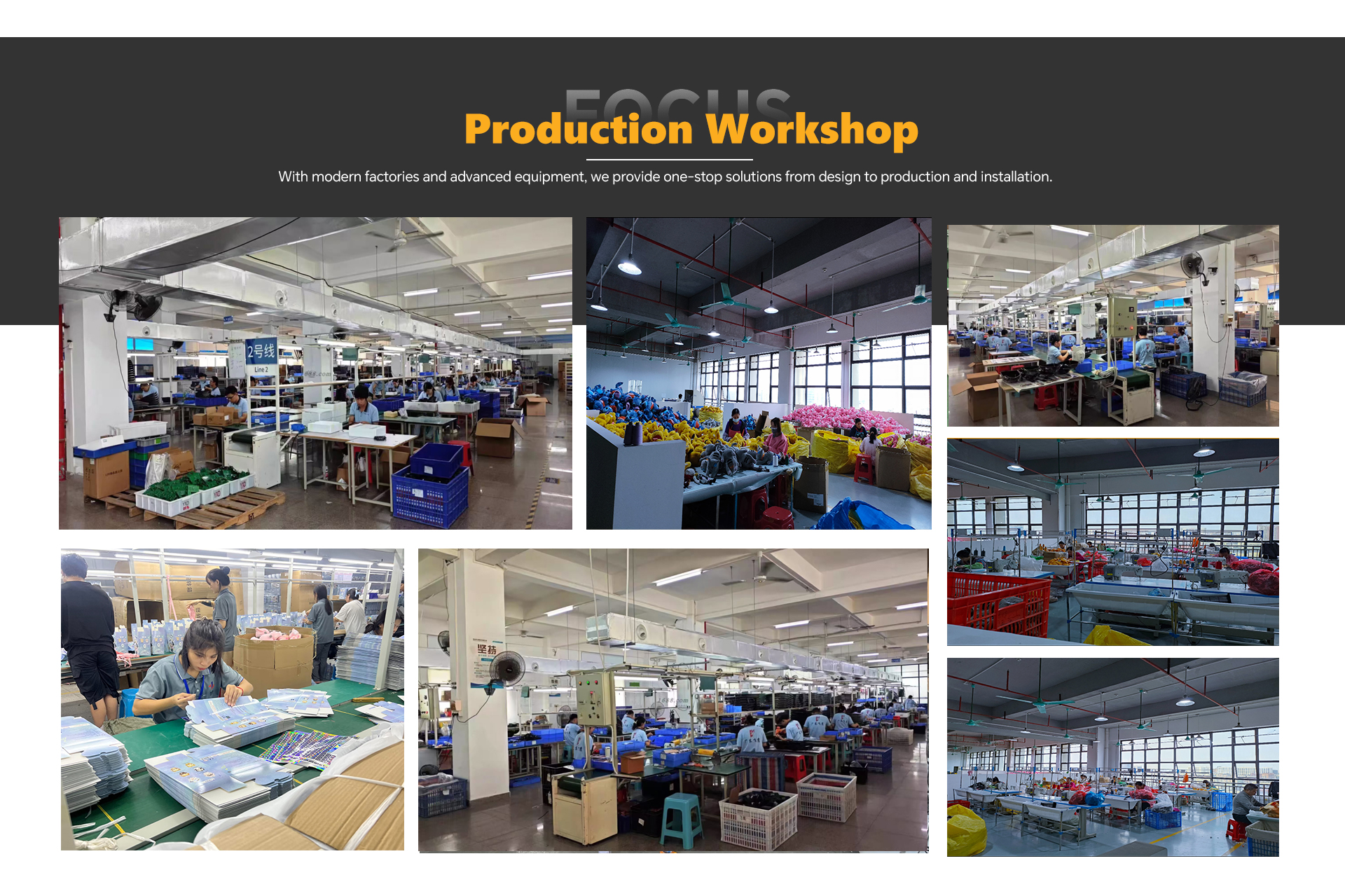
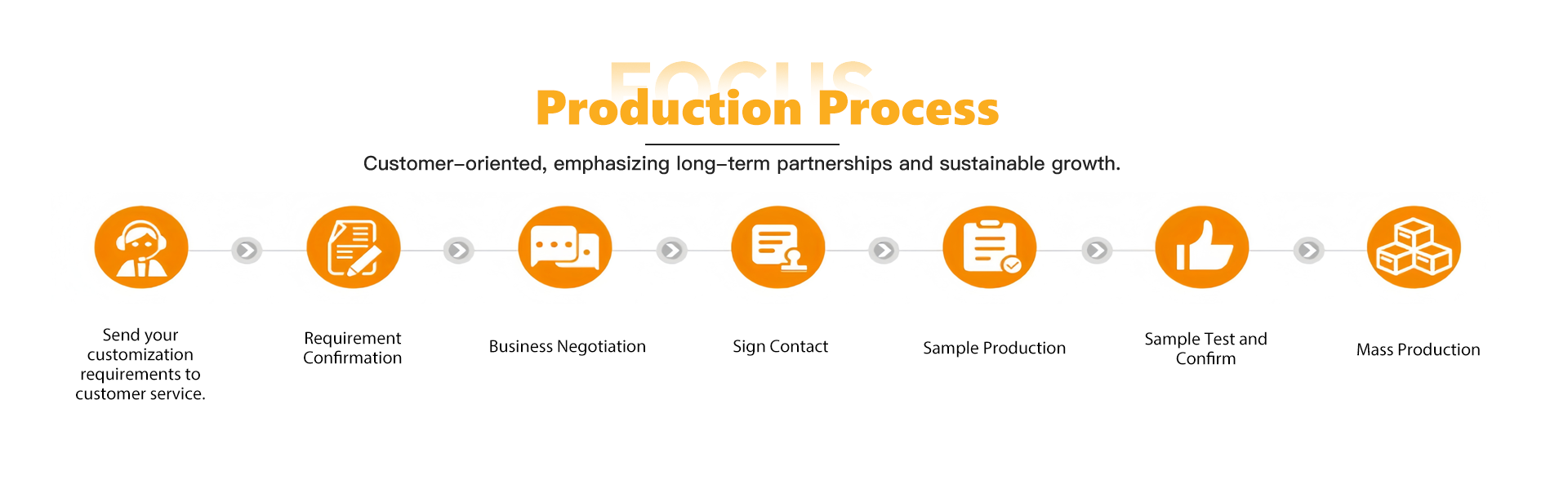
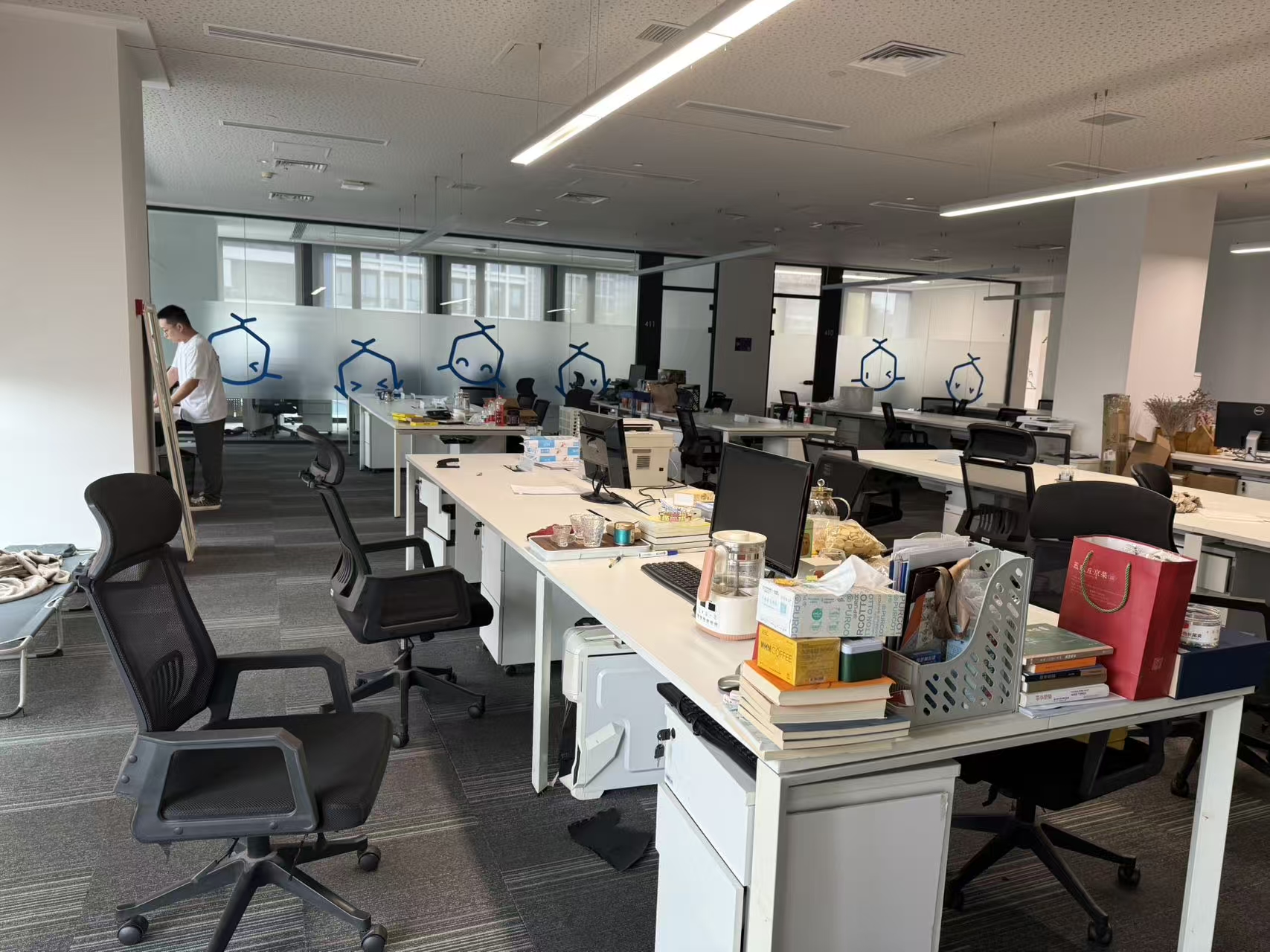
Onsite Factory Operations & Warehouse Facilities

International Regulatory Compliance & Testing Protocols
A smart toy combines plush textile regulations with radio frequency (RF) and battery safety directives. Aitoyfun coordinates with accredited laboratories (SGS, TÜV, Intertek) to ensure flawless customs entry.
European Union (CE Marking)
- EN 71-1, 2, 3: Mechanical pinching, flammability, and heavy metal chemical migration testing.
- EN 62115: Electric toy safety and heating checks.
- RED Directive (2014/53/EU): RF emission and BLE/Wi-Fi frequency validation.
- RoHS & REACH (SVHC): Lead, phthalates, and cadmium-free certification.
North America (US & Canada)
- ASTM F963-17: Comprehensive US physical, mechanical, and heavy element safety requirements.
- CPSIA / CPSC: Total lead and phthalate limits; small parts choking hazards for under-3 age grading.
- FCC Part 15 Class B: Unintentional radiation and RF compliance for connected radios.
- UN 38.3 & UL 2054: LiPo battery transit vibration, shock, and thermal altitude testing.
Data & Acoustic Safety
- Acoustic Decibel Gating: Software-locked volume clamp below 85dB at 50cm to prevent auditory trauma.
- COPPA Compliance: Cryptographic secure-boot flash chips preventing unauthorized third-party firmware injections.
- OEKO-TEX Class 1: Direct infant skin contact clearance for outer plush fibers.
- Seam Tensile Proofing: 90 Newton pull-test on eyes, noses, and seams to eliminate detachment hazards.
Frequently Asked Questions by Importers & Brands
Essential operational insights covering MOQ, tooling amortization, IP protection, firmware development, and trade terms.
What is the typical Minimum Order Quantity (MOQ) for custom OEM projects?
For existing reference platform modifications (custom plush skin pattern, branded voice soundbites, tailored packaging, logo embroidery), our pilot run MOQ starts at 500 to 1,000 units. For fully bespoke ODM hardware projects requiring new plastic injection tooling, standard mass production MOQ starts at 3,000 units to amortize mold and NRE overhead.
How do you guarantee client intellectual property (IP) and design exclusivity?
We execute enforceable bilingual Non-Disclosure and Non-Compete Agreements (NNN) prior to receiving proprietary design files. Tooling molds are legally owned by the customer, tagged with your serial asset plates, and isolated within our tooling vault. Molds are never run for third-party orders or listed in public catalogs without express written authorization.
Can you integrate our proprietary conversational LLM or AI agent endpoint?
Yes. Our software engineering team supports direct API routing to client-designated cloud infrastructure (OpenAI, AWS Bedrock, Claude, Azure, or private enterprise endpoints). We configure Wi-Fi/BLE provisioning SDKs for your iOS/Android companion app and flash firmware with your API endpoint keys and custom prompt architectures.
What is the standard development lead time from brief to container loading?
Initial 3D mechanical models and textile skin samples require 7–10 working days. Steel injection tooling takes 25–35 days. T1 golden sample validation takes 7 days. Upon final client golden-sample sign-off, pilot production runs require 20–25 days, with repeat mass production cycles averaging 30–35 days FOB Shenzhen or Hong Kong.
How are hazardous battery export regulations (UN 38.3) handled?
All smart plush animal dolls utilizing rechargeable lithium cells include certified Battery Management Systems (BMS). We supply official UN 38.3 test summaries, Material Safety Data Sheets (MSDS), and 1.2-meter drop test packaging certificates to ensure compliant sea container stowage or expedited air cargo booking.
What accepted commercial trade terms and currency options are supported?
Our standard export pricing is based on FOB Shenzhen or FOB Hong Kong. We also offer CIF, DDP (Delivered Duty Paid), and EXW terms upon request. We accommodate international wire payments in USD, EUR, and CNY to streamline cross-border treasury operations.
Accelerate Your AI Smart Toy Program Today
Consult with our senior hardware architects in Shenzhen. Obtain customized DFM (Design for Manufacturing) reports, bill of materials (BOM) cost breakdowns, and physical rapid prototyping schedules.