200+
Industrial Supply Clusters
7-10 Days
Rapid Functional Prototyping
100%
Full-Process QC Inspection
50+
In-House Embedded Engineers
Enterprise Sourcing Portfolio
Flagship Smart Toys & Interactive Plush Electronics
Explore our turnkey production-ready product architectures. Every SKU features customizable PCB footprints, field-tested electromechanical movements, and certified non-toxic plush shells tailored for global export.
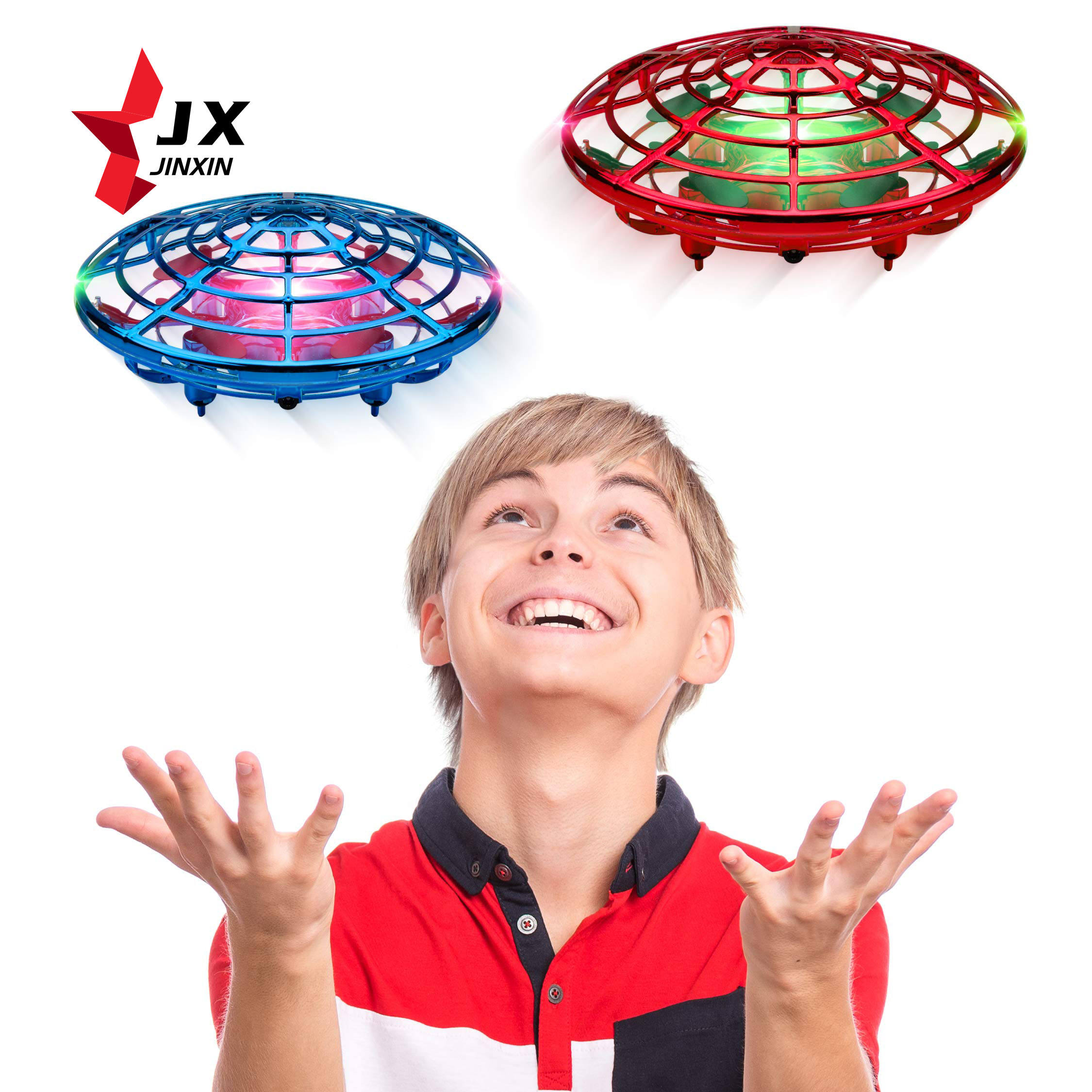
Third-Generation Colorful UFO Gesture Smart Induction Gyroscope
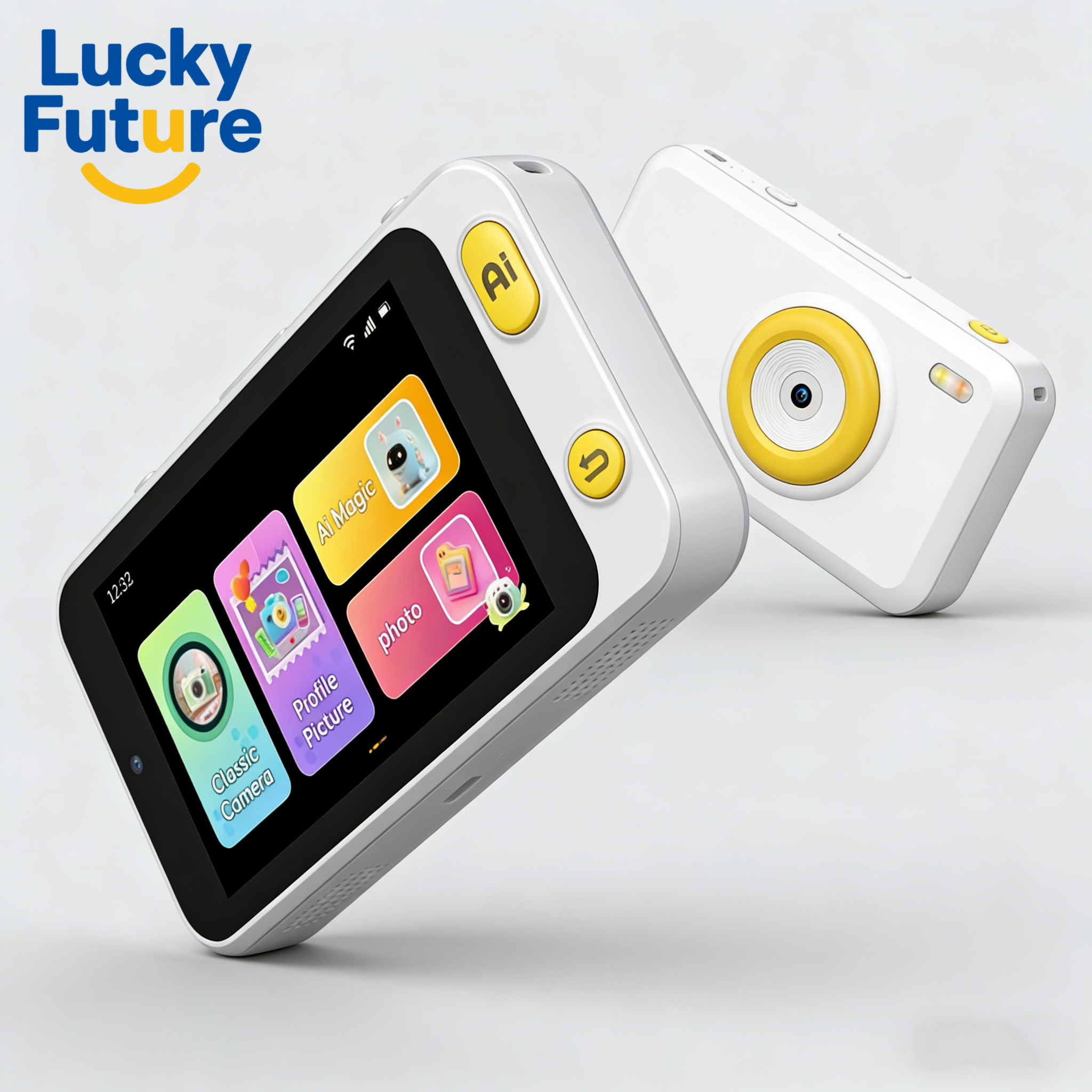
Interactive AI Kids Language Learning Camera Toy
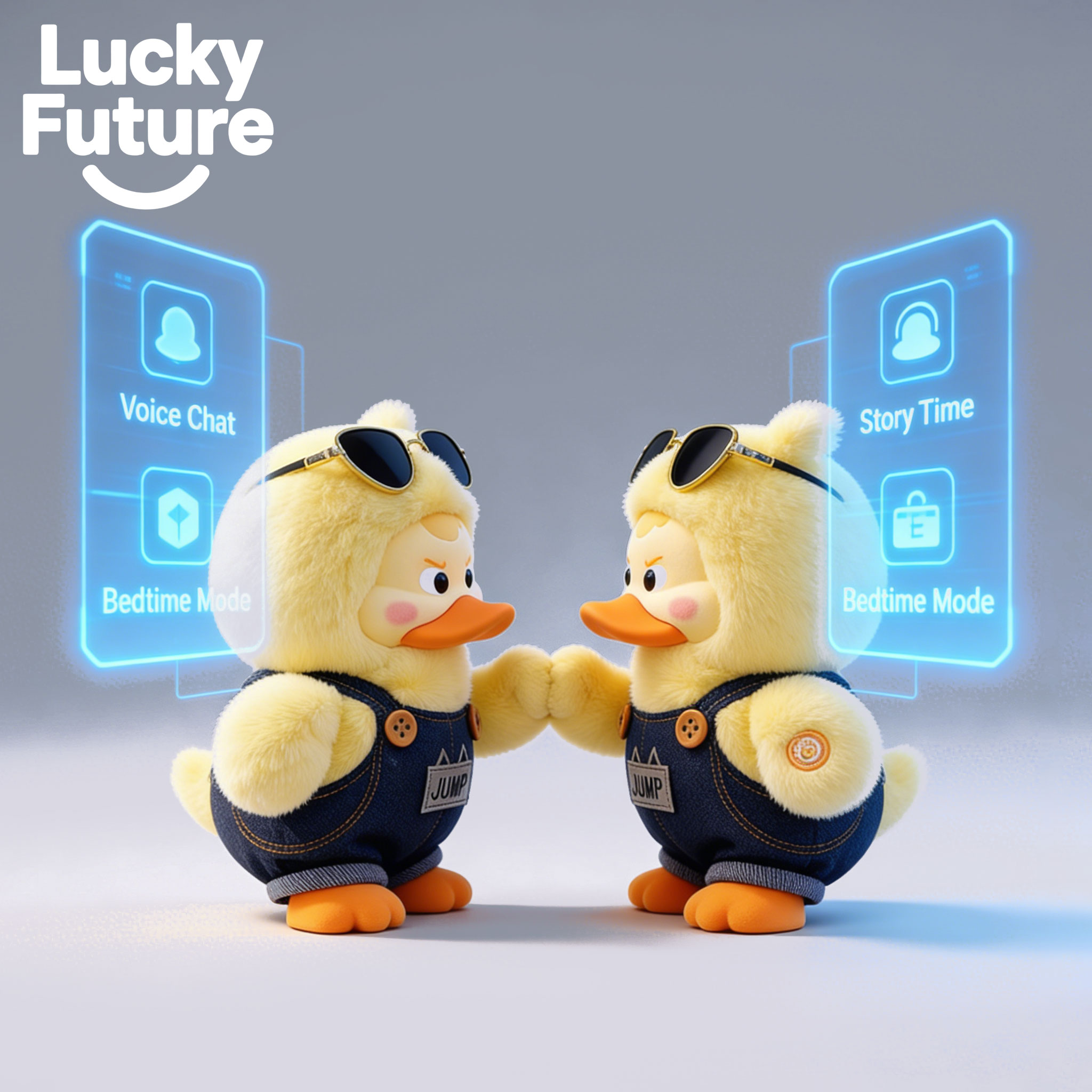
Lulu Duck App-Enabled AI Voice Companion Plush Toy
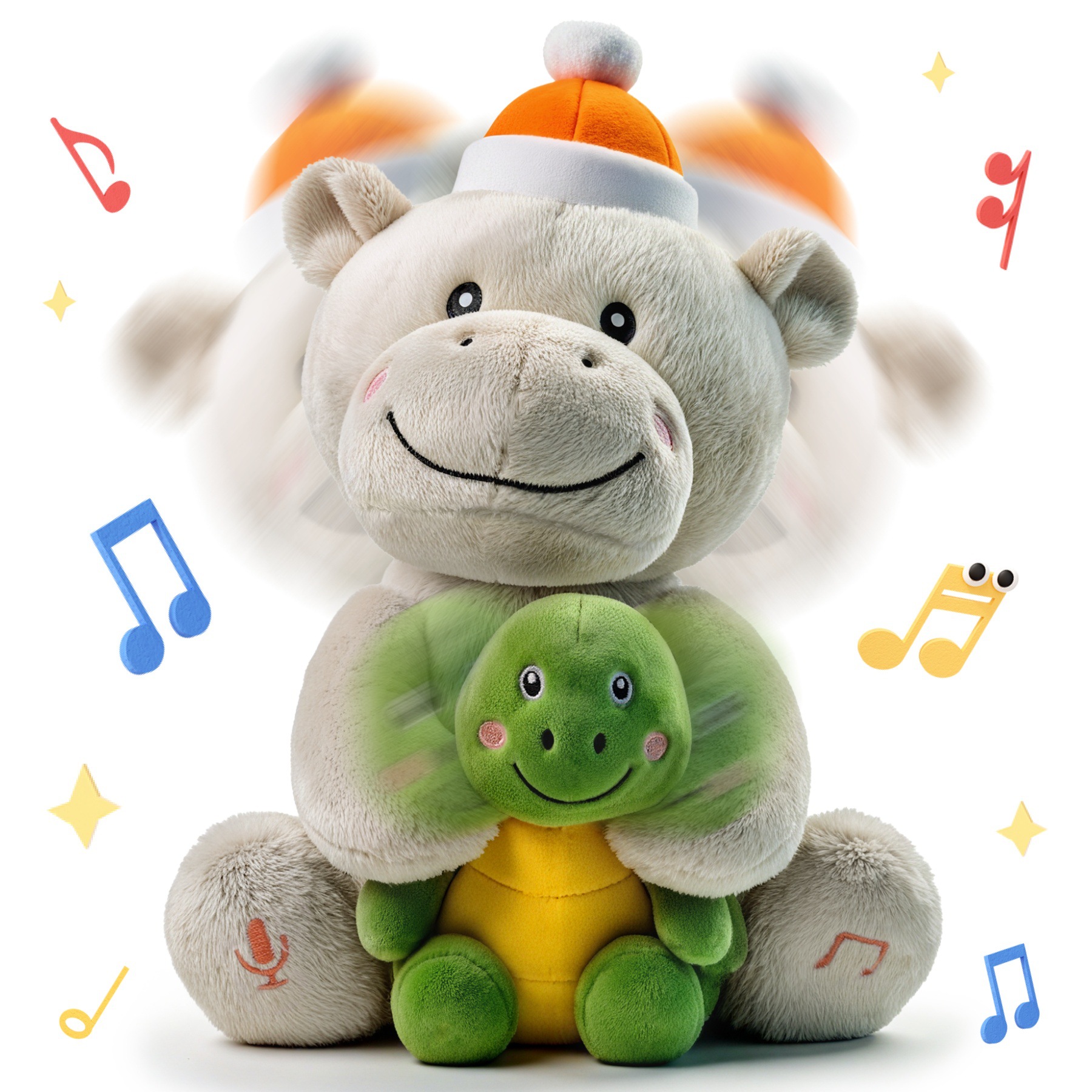
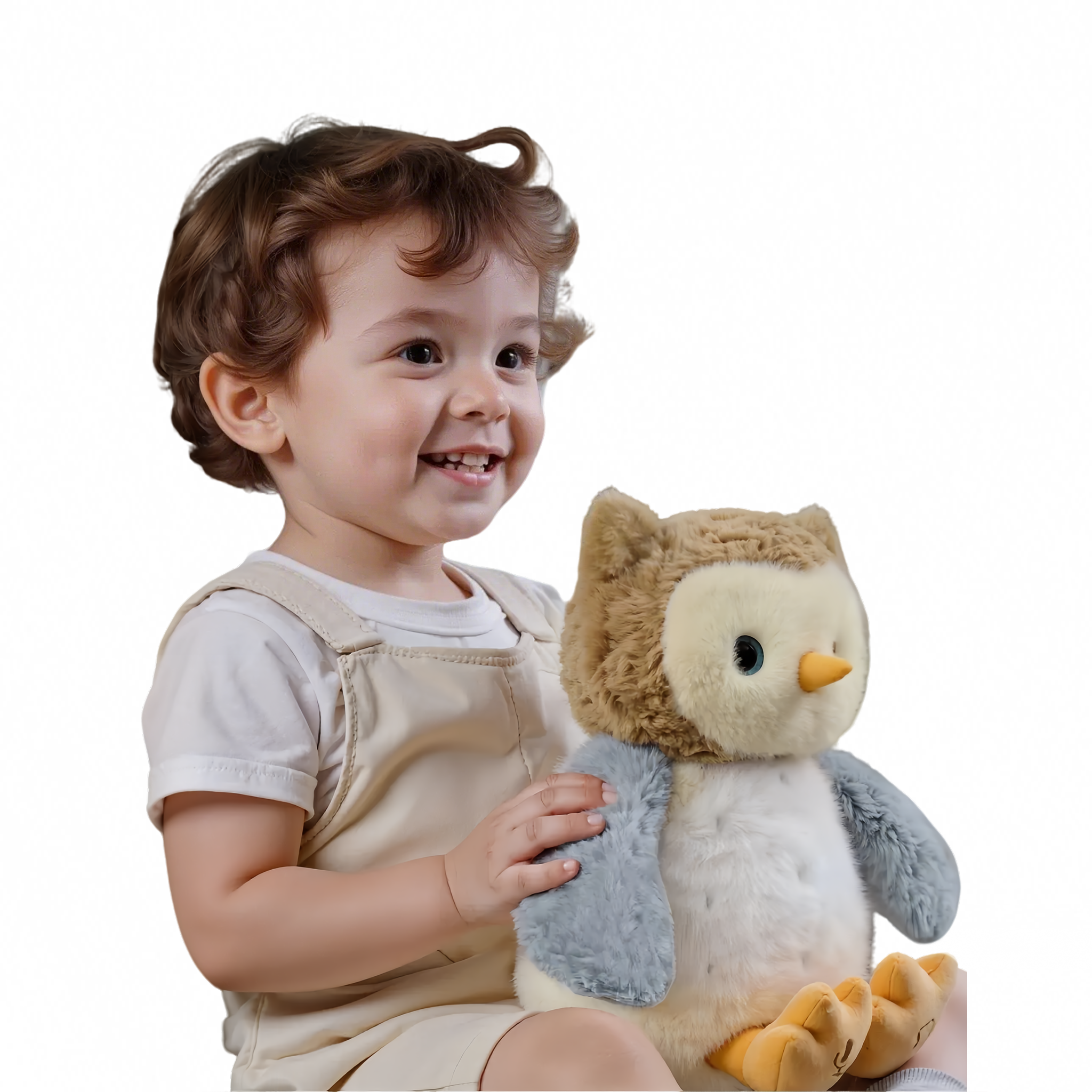
EJOGPUP Children's Interactive Voice Recorder Hippo Plush
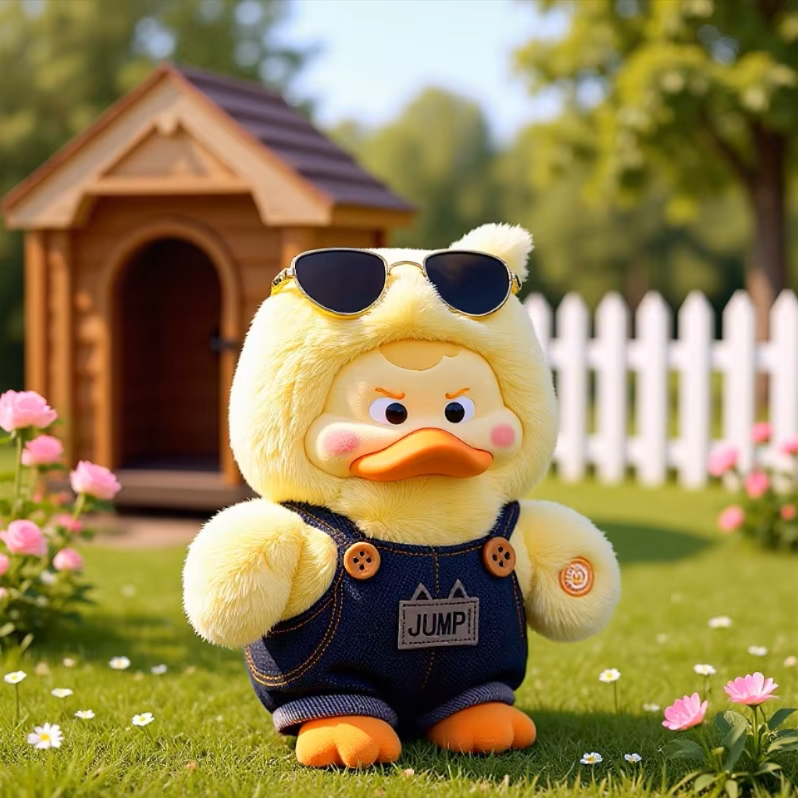
LuluDuck Realistic Intelligent Voice Chat Plush Doll
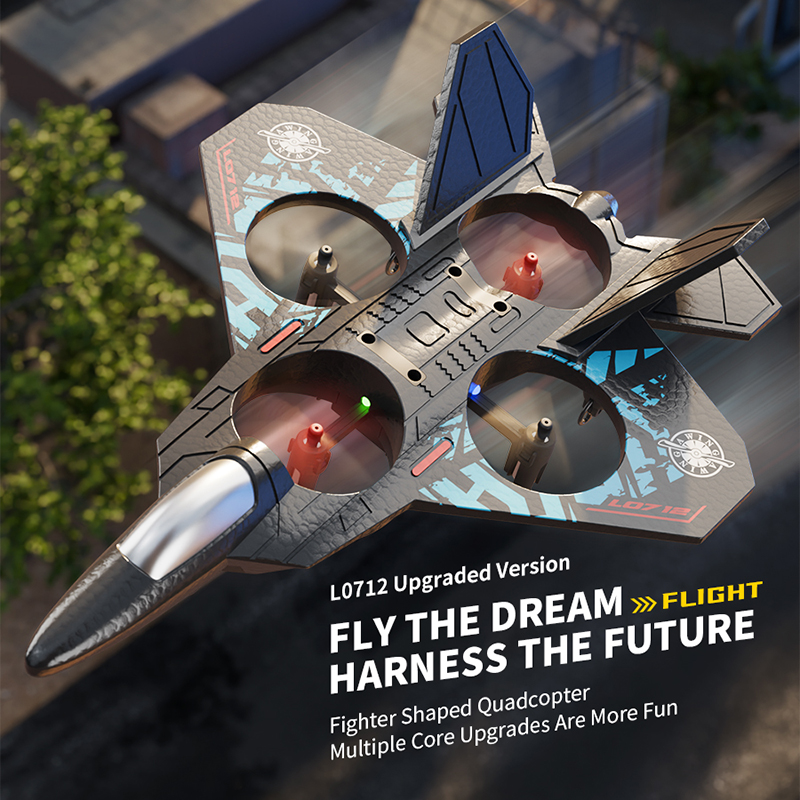
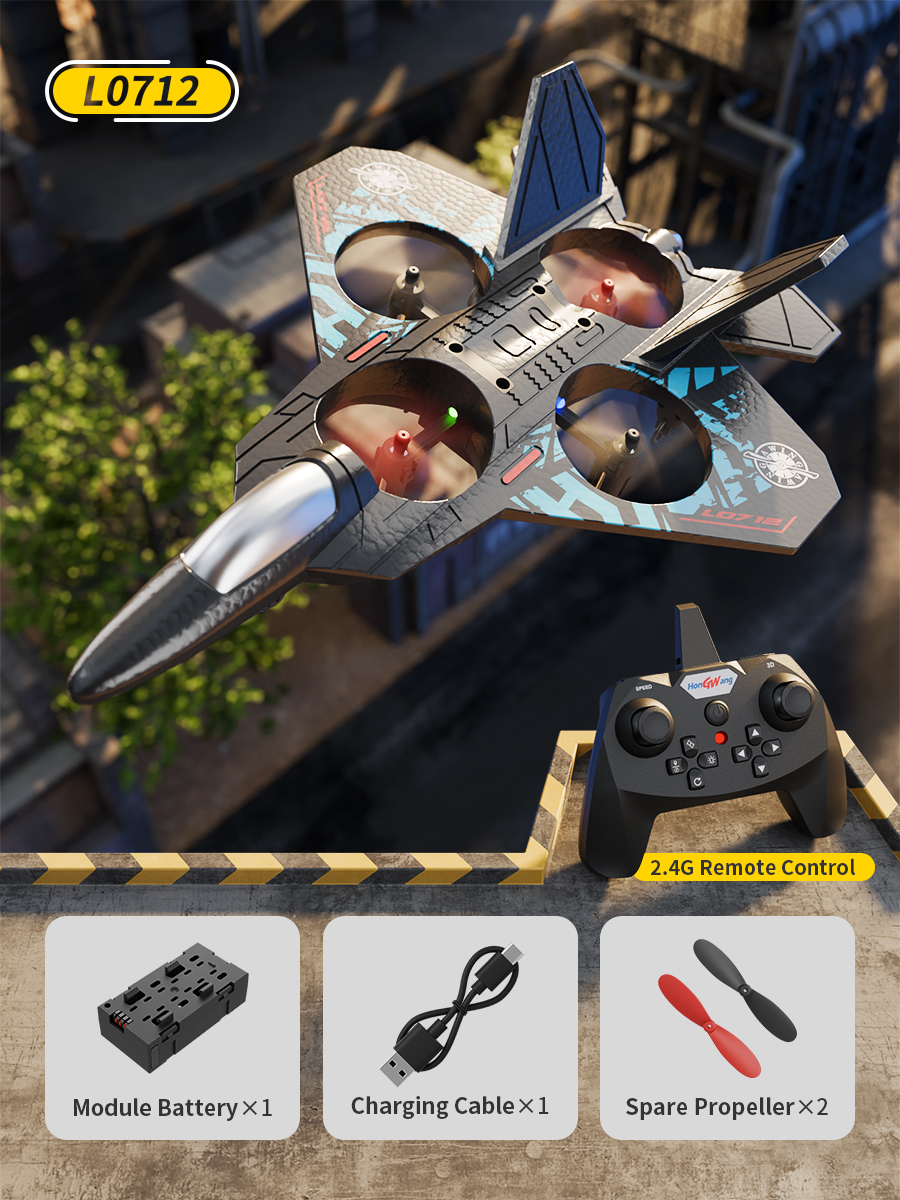
360 Circling 6-Channel 2.4G RC Stunt Fighter Jet Plane
Electric Fixed-Wing 2.4GHz RC Aerobatic Glider Toy
Engineering White Paper: OEM Production Architecture for Next-Gen Interactive Plush Toys
The global juvenile electronics and plush toy sector is undergoing an irreversible transition from basic sound-chip playback devices to sensory-driven, conversational companion ecosystems. For commercial buyers, procurement directors, and tier-1 brand licensors, sourcing an interactive plush duck requires deep synchronization between mechanical mechatronics, textile manufacturing, acoustic chambers, and edge-compute algorithms.
As an onsite-checked manufacturing partner based in Shenzhen with deep clusters in the Pearl River Delta, Aitoyfun integrates full lifecycle OEM/ODM services. We address complex engineering constraints including high-gain acoustic isolation inside dense poly-fiber stuffing, drop-resistant gearbox housings for motorized neck and wing kinematics, and localized Large Language Model (LLM) edge integration.
| Subsystem Component | Standard Market Specification | Aitoyfun Enterprise OEM Benchmark | Procurement Advantage |
|---|---|---|---|
| Audio Processing Unit | 8-bit OTP sound chip, 8kHz sampling | 32-bit DSP with Dual-Mic Array & ENC Filtering | Crystal-clear voice pickup from 2.5m range |
| Mechatronic Kinematics | Brushed motor, low-durability nylon gears | Reinforced POM gearbox with slip-clutch safety | Withstands >50,000 cycles without mechanical jam |
| Textile & Outer Skin | Virgin polyester, inconsistent shedding | Zero-VOC high-density crystal velvet / recycled rPET | Passes EN71-3, ASTM F963, and REACH skin tests |
| Battery Safety Architecture | Unprotected 300mAh Li-Po cell | MSDS-certified cell with NTC thermistor & dual PTC | Complete thermal runaway immunity (UL1642 / IEC62133) |
| Firmware & Connectivity | Closed-loop, non-upgradable memory | BLE 5.2 / Wi-Fi Dual Stack with OTA Flash updates | Enables dynamic app co-creation & content updates |
Future Sourcing Trends in the Interactive Plush Duck Industry (2025–2030)
B2B toy buyers must evaluate how evolving regulatory requirements and consumer expectations reshape procurement risks. Aitoyfun's R&D engineering department identifies three decisive market shifts:
Edge AI & COPPA 2.0 Compliance
Children's data safety regulations (EU GDPR-K and US COPPA) increasingly restrict cloud voice streaming. Next-generation plush ducks utilize on-device, localized natural language processing (NLP) to deliver responsive conversation without storing personal biometrics or transmitting child audio over open networks.
Modular Mechatronic Cores
Traditional manufacturing glued plush skins directly to internal skeletons, rendering machine washing impossible. Progressive suppliers employ independent "soft-hard separation" designs, allowing retailers to replace plush outerwear seasonally while using a universal, safety-certified electronic module.
Low-MOQ Iterative Piloting
Brands now favor agile procurement matrices. Instead of committing to 20,000-unit initial runs, global importers work with flexible supply lines offering 1,000-unit pilots to validate algorithmic engagement and sell-through velocity prior to scaling full container orders.
Technological Roadmap of Smart Interactive Plush Animals
The progression of the classic plush duck offers insight into modern toy design. Starting as a basic mechanical quacking doll with single-switch activation, the product evolved into an audio-repeating novelty using rudimentary voice distortion. Today, the interactive plush category functions as an emotionally responsive AI companion.
Our engineering team integrates bionic memory architectures. In SKUs like the Lulu Duck platform, the toy retains context from previous interactions, creates interactive bedtime stories based on children's vocal cues, and simulates empathy via bio-mimetic head tilting and wing flapping. To accomplish this, internal motors use silent dampers wrapped in sound-insulating foam, maintaining acoustic purity for speech recognition microphones.
Shenzhen Aitoyfun Operational Infrastructure
Verified Manufacturing Capabilities & Facilities
From cleanroom surface-mount PCB lines to specialized sewing workshops, take a look inside our verified production network across the Pearl River Delta.
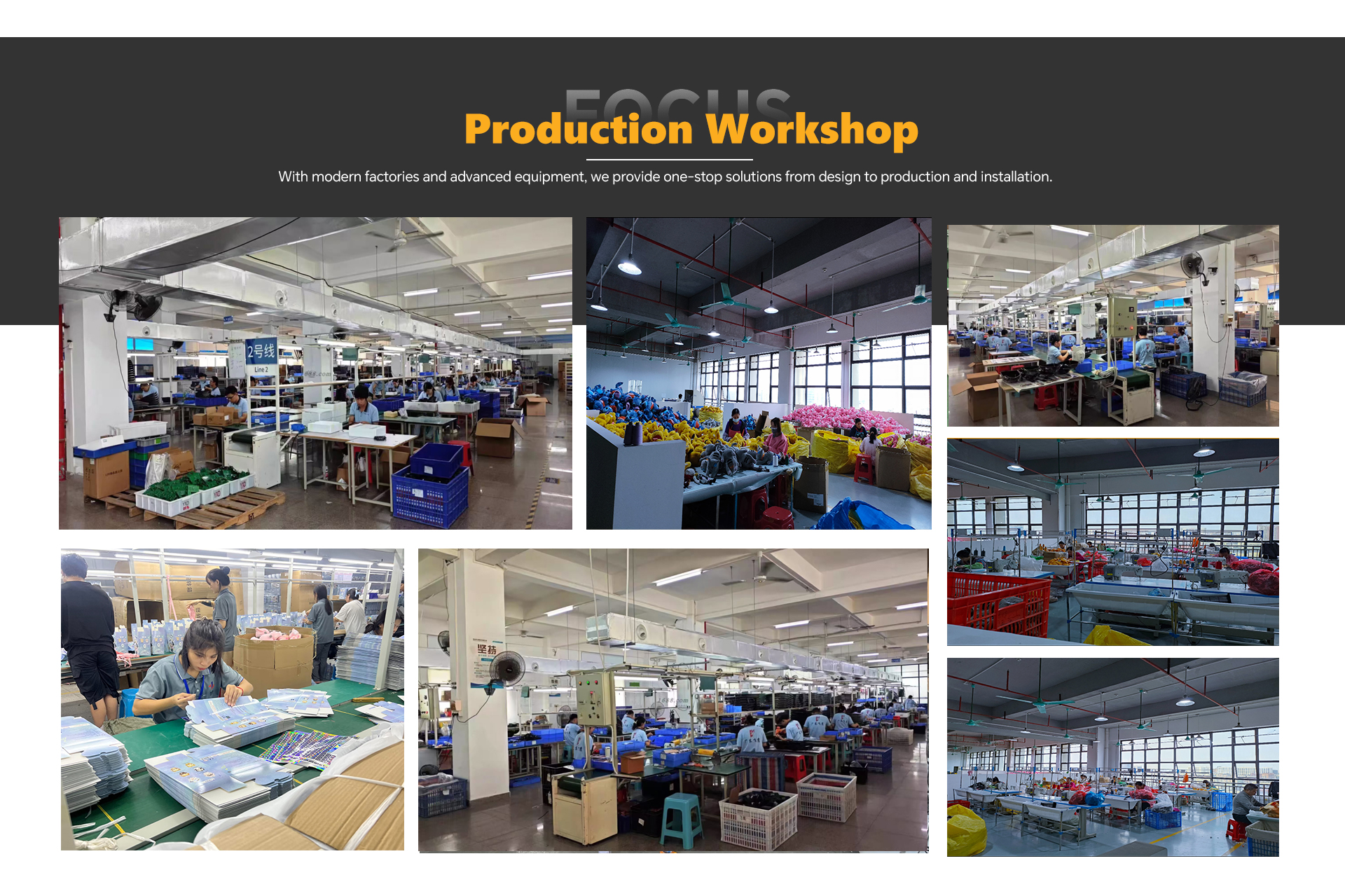
Automated PCBA & Sensor Calibration Workshop
Standardized Assembly Lines & Ergonomic Workstations
100% Comprehensive Pre-Shipment Functional & Drop Testing
Why Global Brands Partner with Aitoyfun
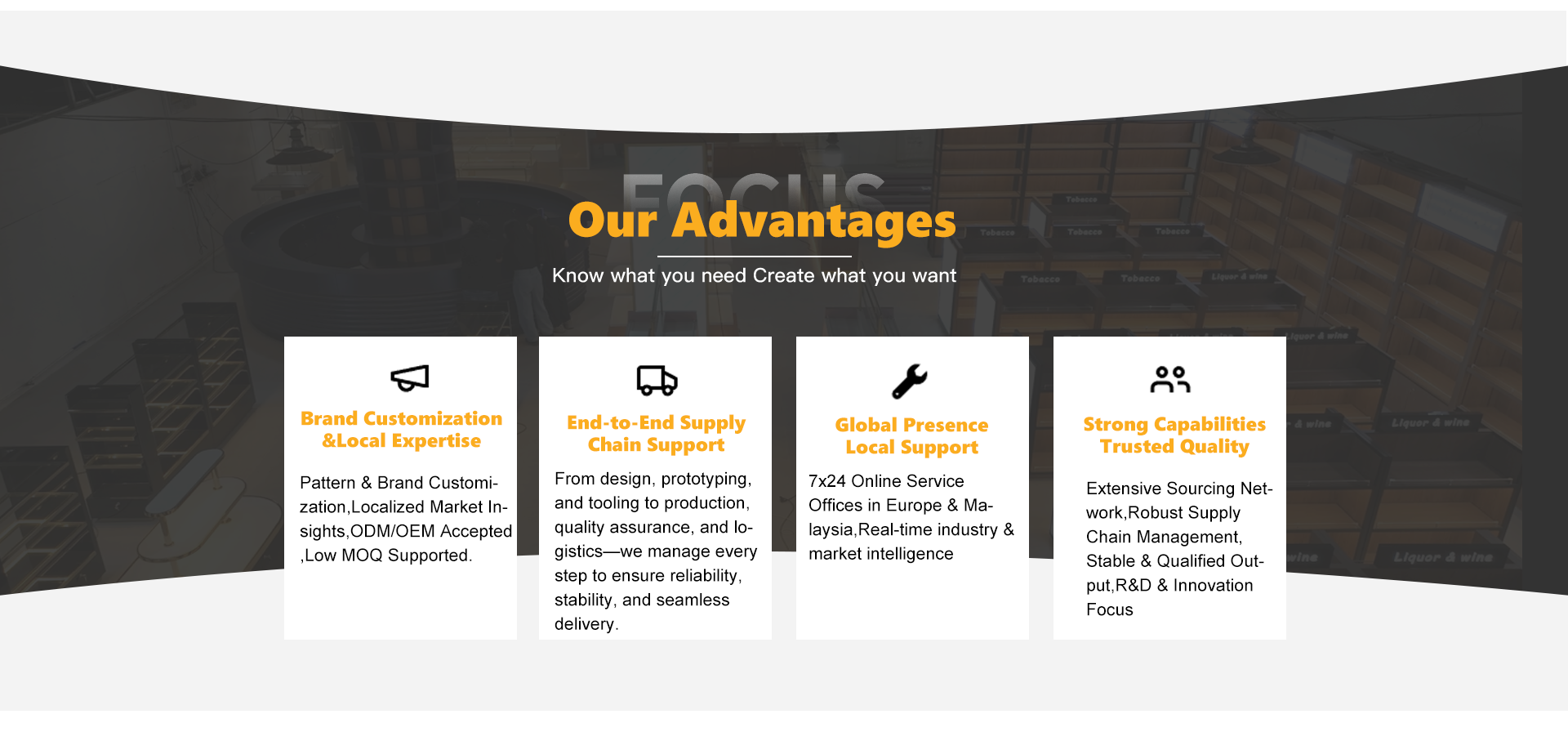
100% Quality Inspection
Incoming material control (IQC), in-line process inspection (IPQC), and rigorous finished-goods pre-shipment testing (OQC) ensure zero-defect outgoing batches.
7-10 Day Prototyping
Our rapid engineering team transforms 2D industrial design sketches into fully functional 3D electromechanical prototypes within 7 to 10 working days.
Local Global Support
In addition to our Shenzhen headquarters, dedicated overseas liaison teams in Europe and Malaysia provide clear communication across multiple time zones.
Global Lab Compliance
Pre-engineered documentation and testing coordinates directly with SGS, TÜV, and Intertek for CE, EN71, RoHS, REACH, FCC, CPSIA, and ASTM F963 certification.
Procurement Clarity
Frequently Asked Questions for Custom Interactive Toy Sourcing
Clear, direct answers regarding trade conditions, customization depth, compliance, and warranty support.
What is the minimum order quantity (MOQ) for custom OEM plush duck development?
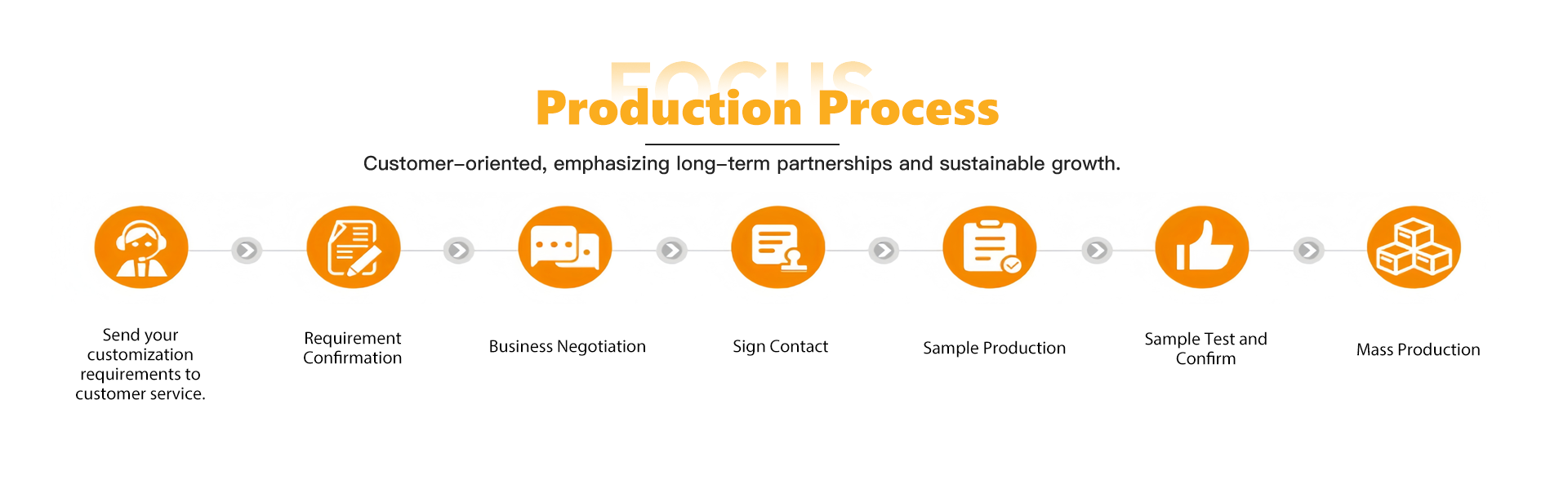
Our standard production runs accommodate flexible MOQ structures. While high-volume retail orders generally start at 1,000 to 3,000 units per SKU, we support low-MOQ pilot orders (as low as 500 units for standard electromechanical platforms) to help brands evaluate market response before investing in extensive tooling runs.
How does Aitoyfun ensure child safety and non-toxic material compliance?
All raw textiles, PP cotton fill, embroidery threads, and internal plastics are certified non-toxic, odorless, and flame-retardant. We enforce stringent pull-force testing (>90N seam and eye pull tests), secure battery compartments with counter-sunk safety screws, and supply full third-party test reports for CE, EN71, ASTM F963, and CPSIA.
What level of voice algorithm and app integration can you customize?
We provide full-spectrum ODM capabilities: from basic sound-byte flashing via USB to bespoke BLE/Wi-Fi smart toy architectures. Our software team can implement multi-lingual voice prompts, wake-word recognition engines, child-safe generative AI chat integration, and customized iOS/Android companion apps branded under your trade identity.
What are the standard delivery terms, production lead times, and payment currencies?
Standard delivery terms are FOB Shenzhen or FOB Hong Kong, alongside CIF/DDP support upon request. Prototyping takes 7–10 days; mass tooling and production typically conclude in 25–35 days after golden sample sign-off. We accept settlements in USD, EUR, and CNY via wire transfer (T/T) and Irrevocable Letters of Credit (L/C).