Verified Catalog
High-Engagement Montessori & AI-Enabled Tactile Plush Toys
Combining tactile sensorial mastery with bionic interaction algorithms. Designed for global brand licensors, nursery wholesalers, and institutional procurement.
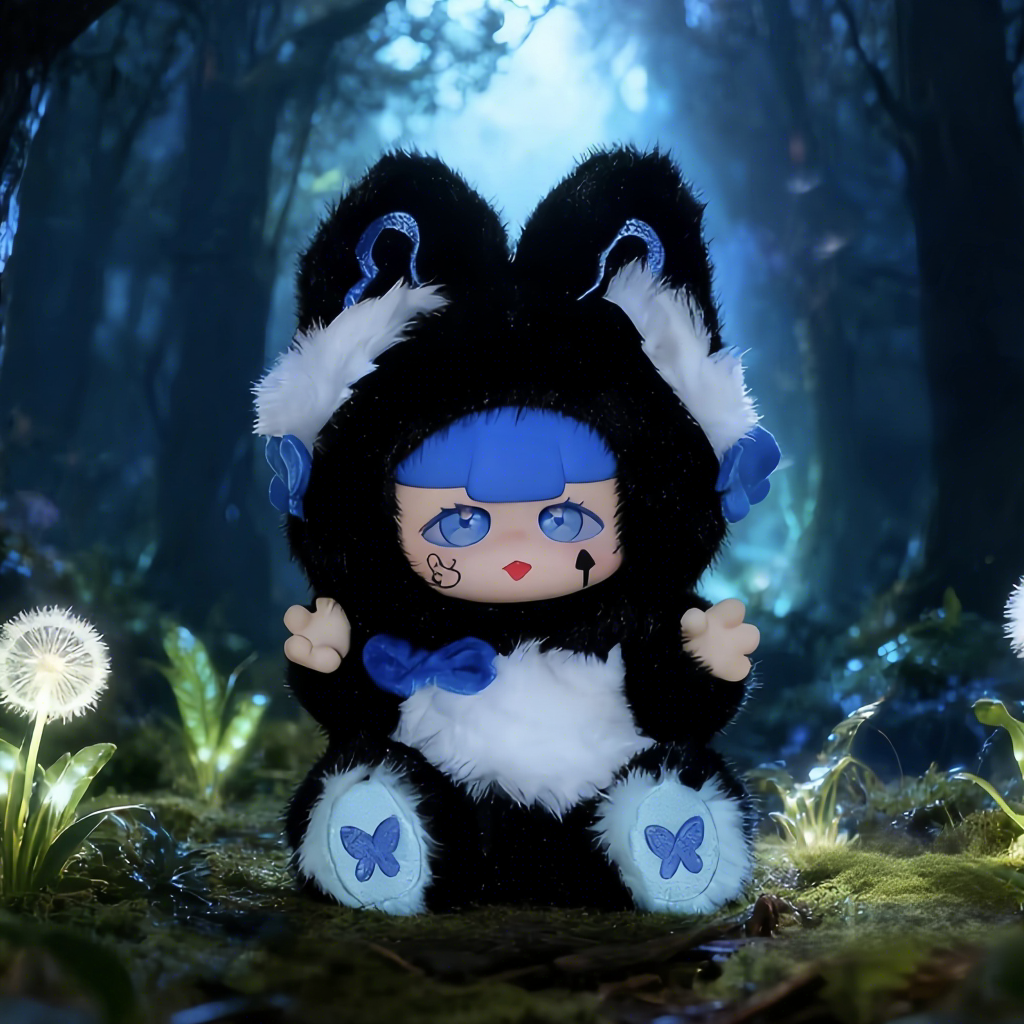
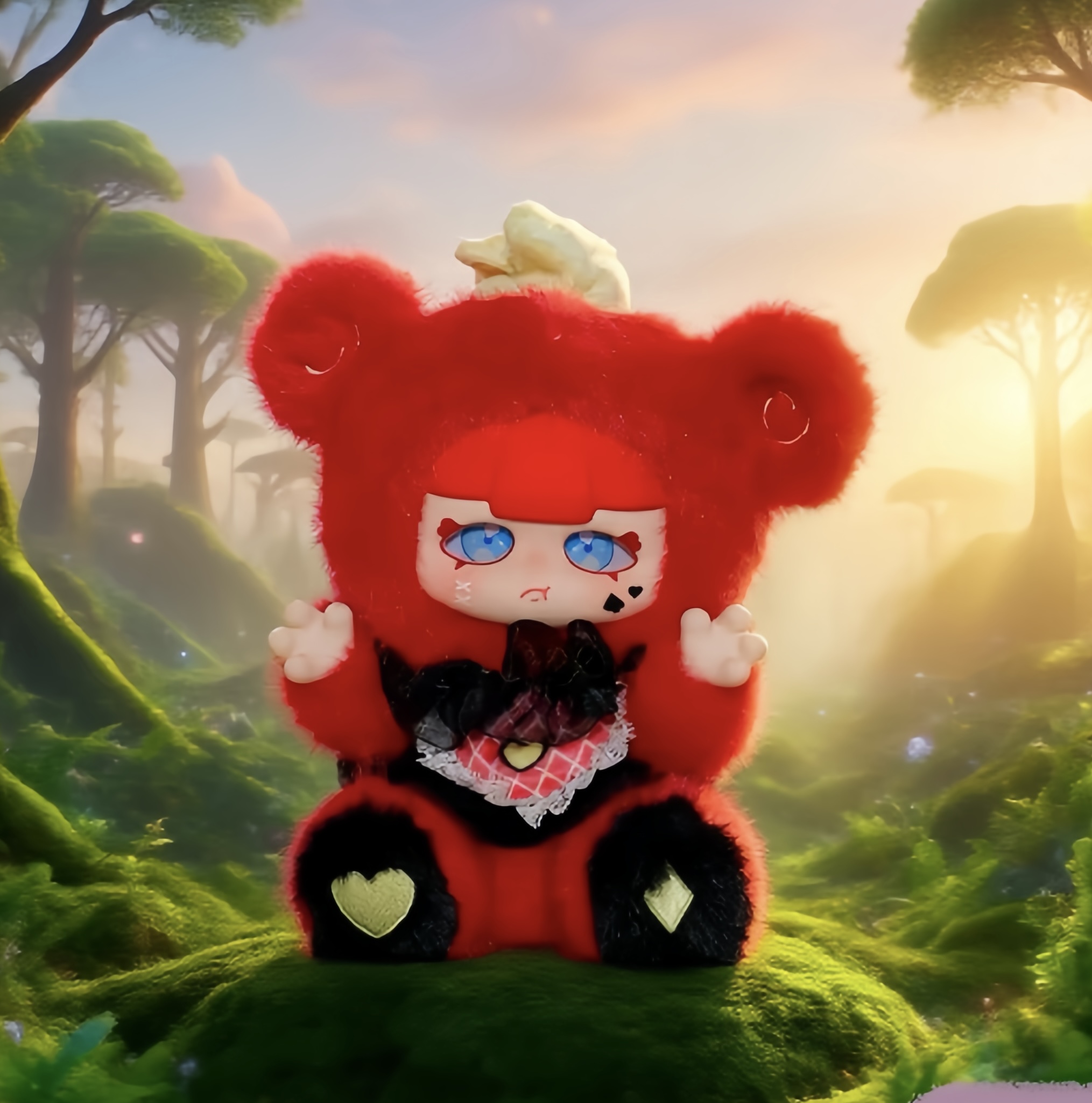
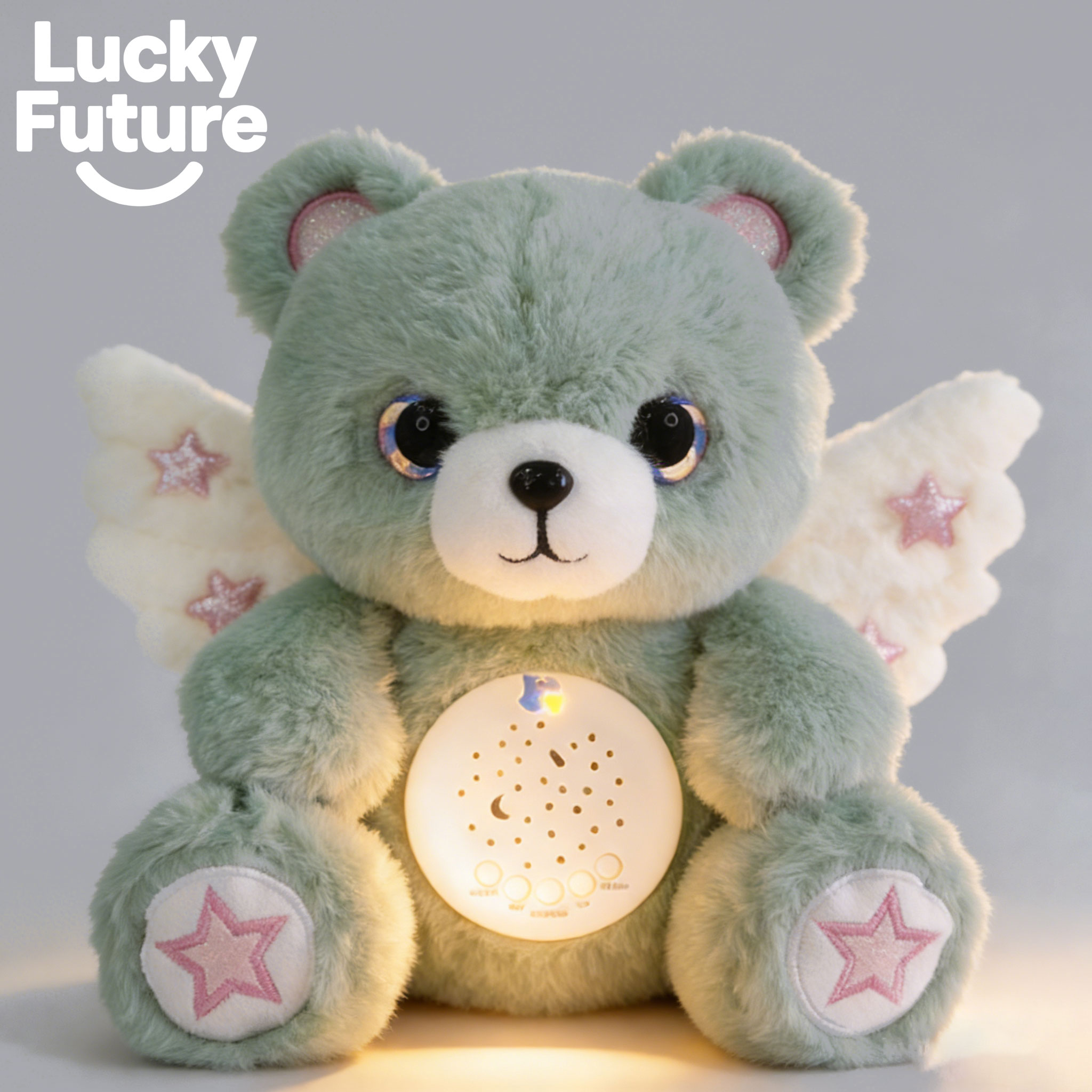
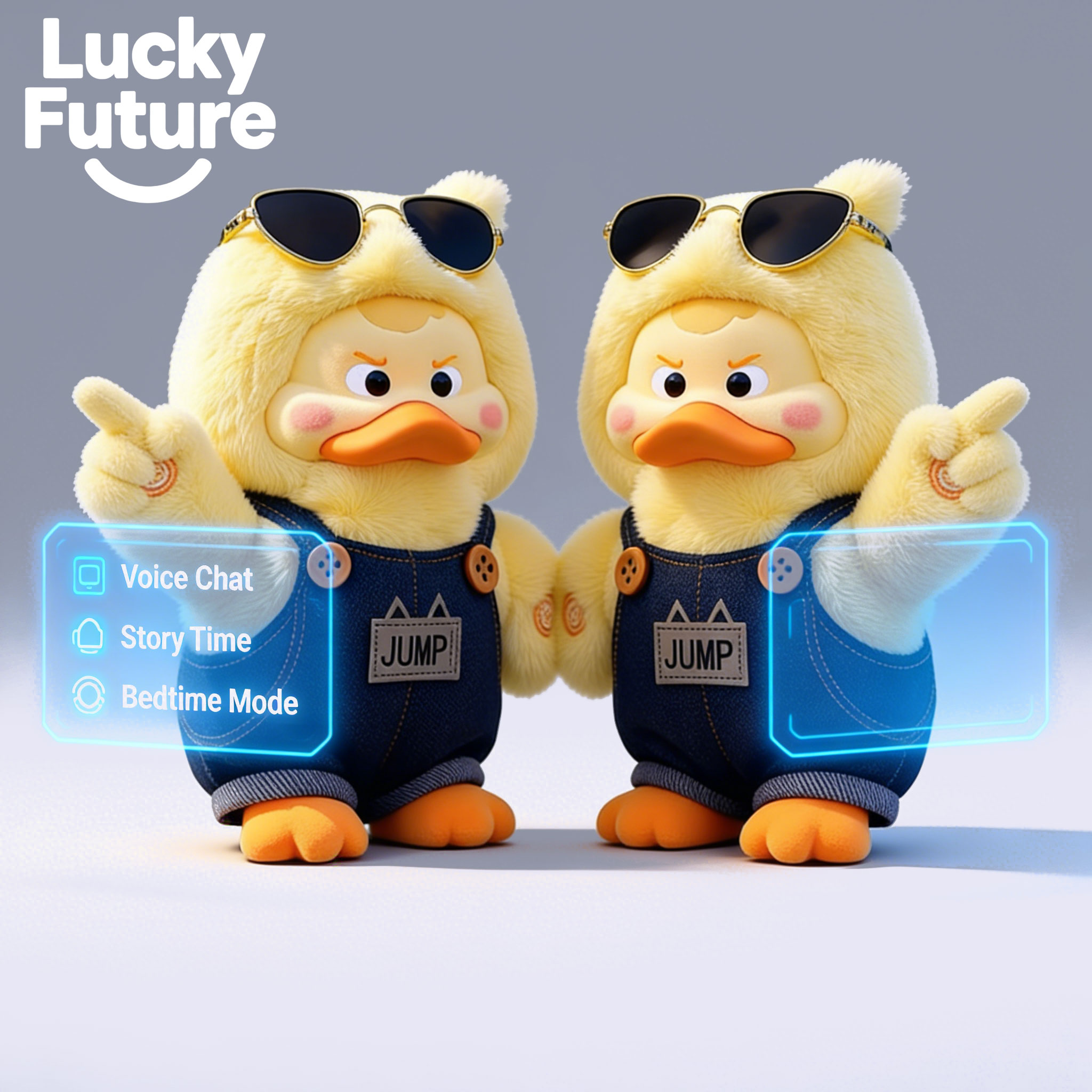
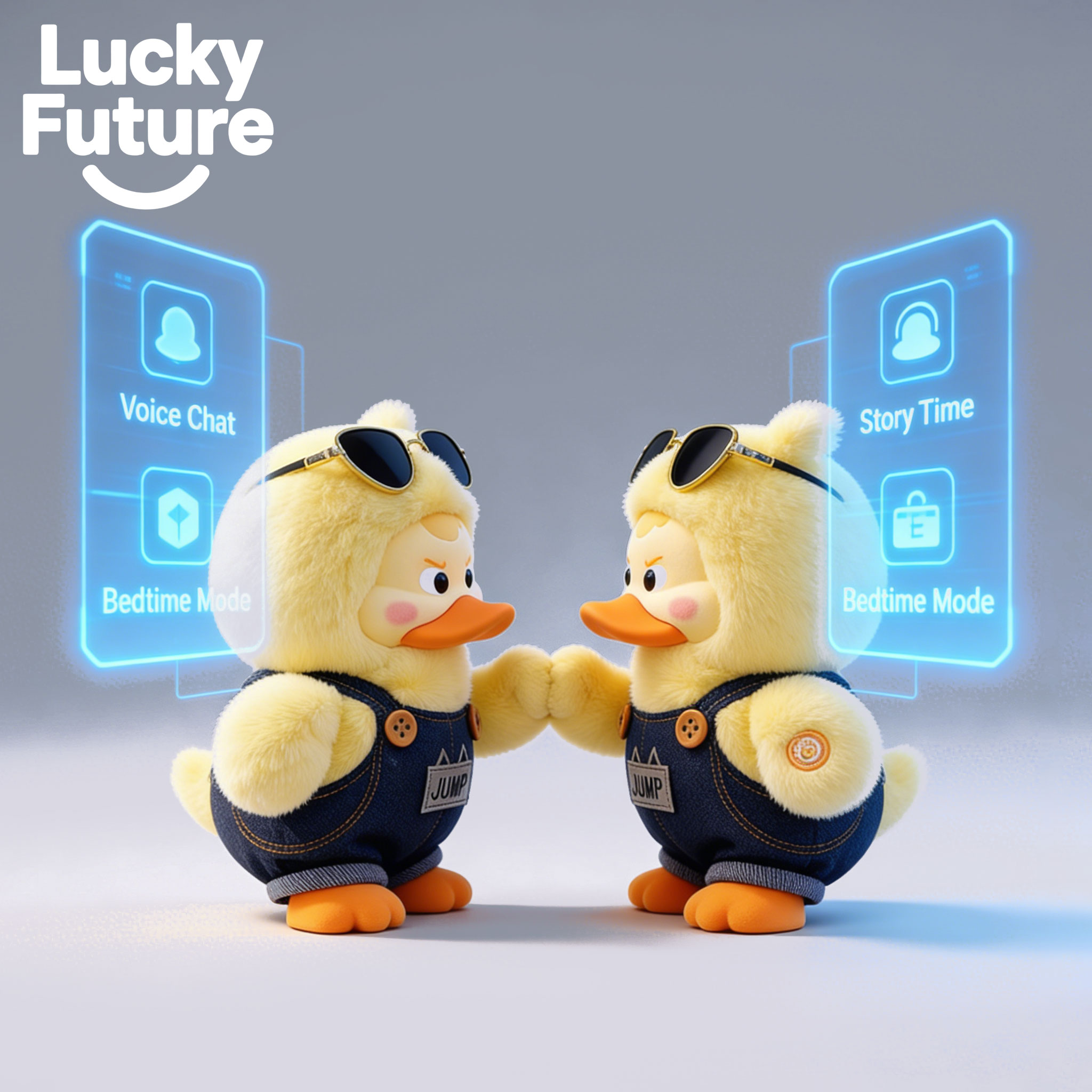
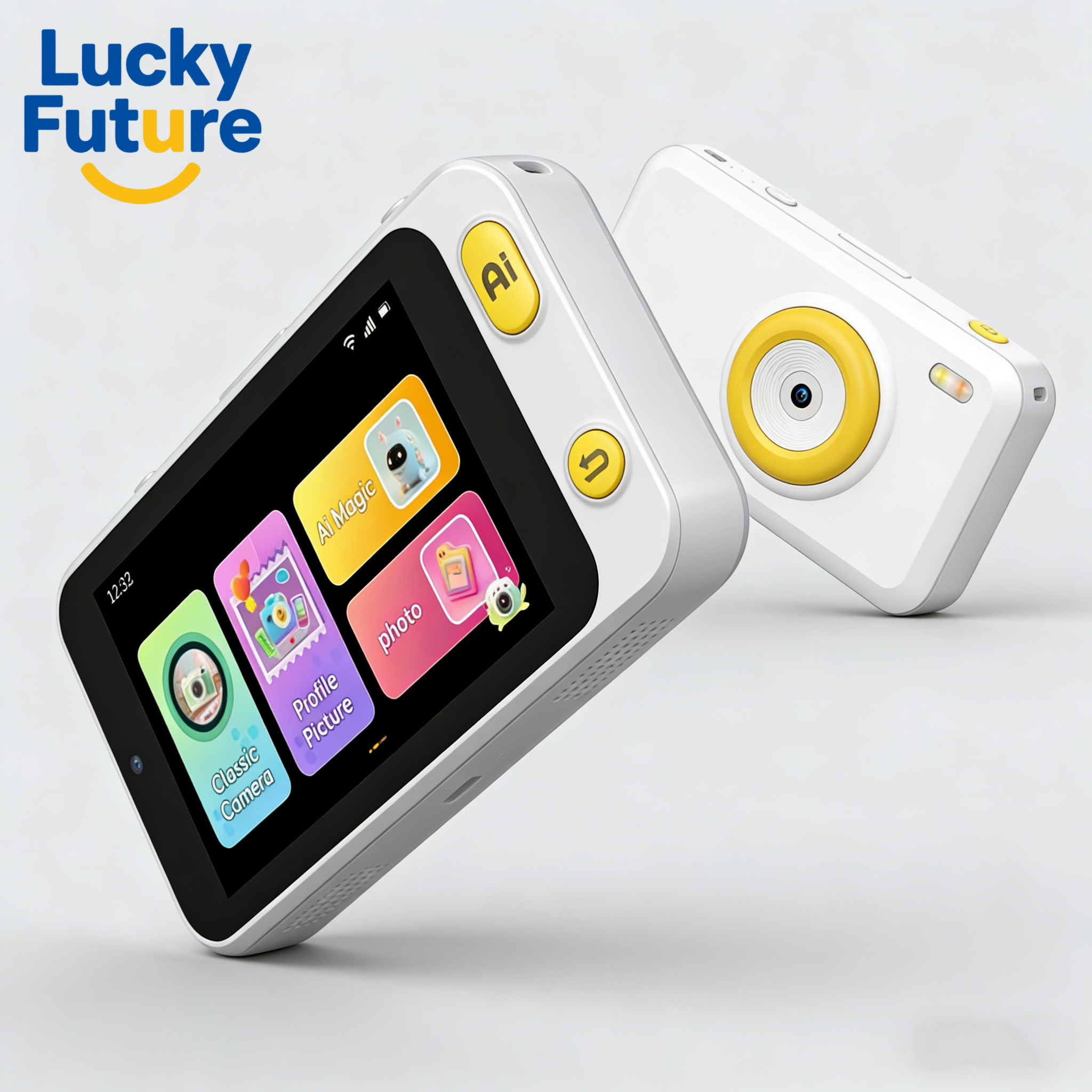
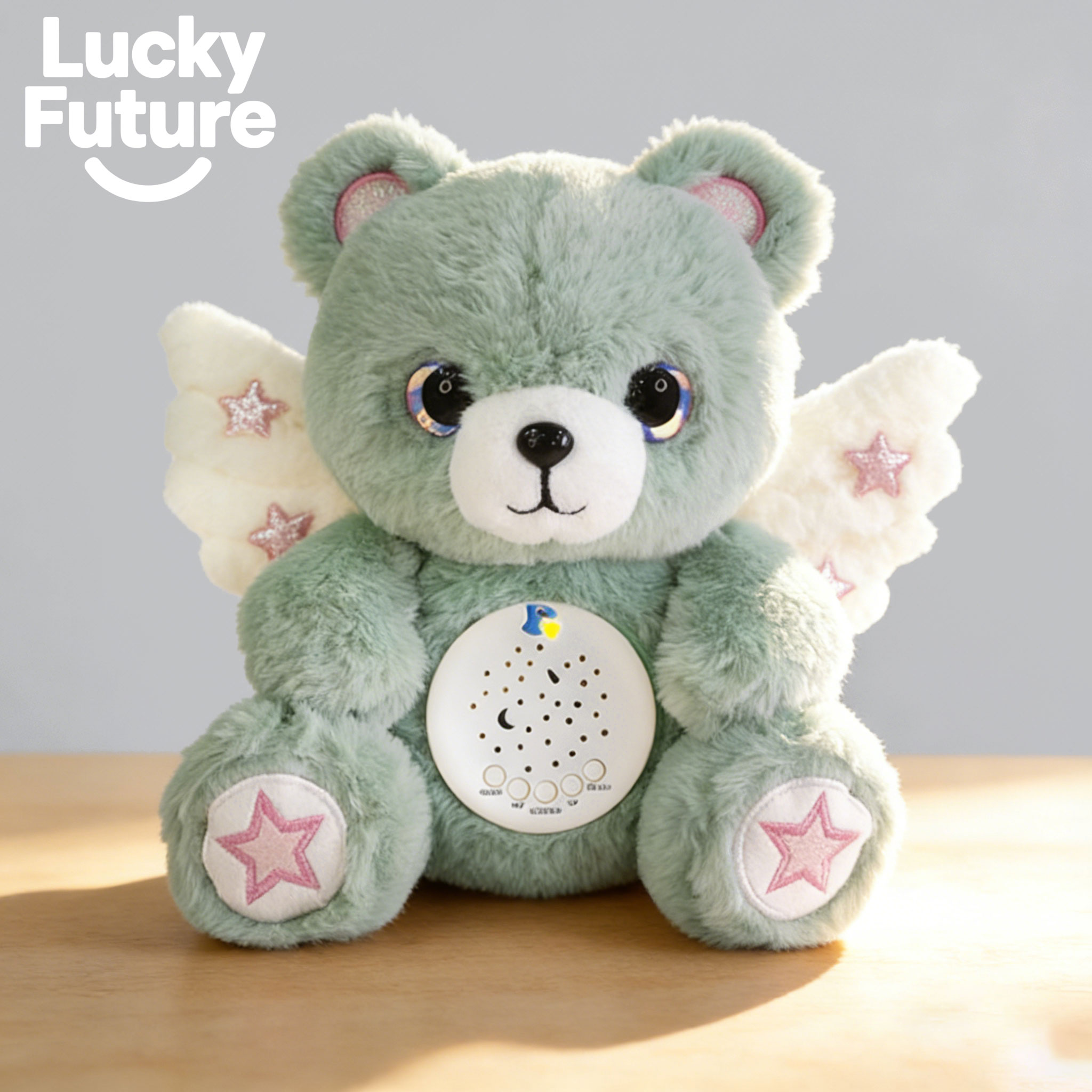
Strategic Market Intelligence
Future Sourcing Trends in Montessori & Smart Plush Manufacturing
A procurement-level brief on how global regulatory shifts, cognitive ergonomics, and bionic hardware are transforming toy import strategies for 2025-2030.
1. Convergence of Tactile Sensorials & Edge AI
Traditional Montessori plush relied on passive sensory weights and textured embroidery. Next-gen buyers require ultra-low latency on-device acoustic analysis that activates verbal affirmation without screens.
Embedded micro-PCBA chambers are now engineered with food-grade silicone shielding, allowing authentic textile softness to coexist with bionic interactive memory chips.
2. Stringent Circular Toxicity & ESG Directives
Importers to the EU and North America face expanding scope under the EU Toy Safety Directive revision and US CPSIA/ASTM F963 updates, emphasizing PFAS-free microfibers and bio-based filling.
Procurement departments are bypassing tier-3 workshops in favor of audited supply chains capable of supplying verified OEKO-TEX Standard 100 Class I certifications alongside battery transport UN38.3 dossiers.
3. Modular Engineering for Hygiene & Circularity
A key limitation of legacy interactive plush was washability. Leading China manufacturers have patented detachable hermetic core pods containing the lithium battery, speaker, and sensor suite.
Parents can sanitize the exterior fabric skin through standard machine washing without compromising sensitive electronics, directly elevating consumer product satisfaction and decreasing RMA rates.
Procurement Perspective: Why Hybrid Montessori Smart Plush Is Gaining Retail Share
Montessori education historically prioritized self-directed activity, hands-on learning, and collaborative play. For decades, this kept high-tech electronics strictly separated from Montessori classrooms and nurseries due to screen blue-light concerns. However, the emergence of Zero-Screen Voice-Interactive AI Plush has fundamentally altered this paradigm. Educational toy buyers worldwide report massive consumer demand for toys that preserve natural tactile manipulation while providing scaffolded phonics, emotion recognition, and dialogic reading support.
By leveraging China's dense mechatronics supply chain—specifically bridging Guangdong's precision electronics assembly with Jiangsu and Shandong's world-class plush textile manufacturing—distributors can capture 35% to 50% higher margin tiers compared to basic non-electronic soft dolls.
- Bionic Tactile Feedback: Pressure-sensitive capacitive conductive thread replacing rigid push-buttons within doll paws and ears.
- Acoustic Privacy Compliance: Zero cloud dependency models running quantized micro-NLP models directly on edge processors, meeting COPPA and GDPR-K mandates without external recording liabilities.
- Drop-Shock Internal Rigging: High-impact ABS interior housings wrapped in memory foam cushions ensuring electronic resilience during standard 1.5-meter international toy drop tests.
Enterprise Capabilities
Why Aitoyfun Leads China's Educational Toy Export Infrastructure
Verified on-site by Alibaba.com and trusted by distributors across Europe, South Asia, Southeast Asia, and the Americas.
End-to-End OEM/ODM Prototyping
From sketch or 3D CAD to golden physical samples in just 7–10 days. Comprehensive support covering firmware localization, packaging design, and sound-chip programming.
200+ Cluster Sourcing Network
Seamlessly aggregating raw materials, high-precision injection molds, sensory electronics, and plush finishing across Pearl River Delta and Yangtze River Delta industrial belts.
100% Comprehensive QC Regimes
Rigorous multi-point testing covering fabric tensile seam strength, metal-detection, lead/phthalate chemical screens, and electronics burn-in before FOB containerization.
Global Presence & Flexible Terms
Local support hubs in Europe and Malaysia ensuring real-time coordination. Pilot batches supported with flexible low MOQ to de-risk seasonal inventory cycles.
Knowledge Base
Frequently Asked Questions: Sourcing Plush Educational Toys
Key technical, regulatory, and logistics points vetted by Aitoyfun's engineering and export operations team.
What is the typical Minimum Order Quantity (MOQ) for custom-designed Montessori plush toys?
Standard OEM production runs with custom textiles, tailored colors, and branded packaging typically require an MOQ of 1,000 to 2,000 units. However, to help emerging educational brands validate market fit, we offer flexible pilot batch orders starting as low as 300 to 500 units utilizing in-stock base textiles and modular smart electronics cores.
Which safety and toxicity testing certifications are provided for North America and Europe?
All products are engineered to comply strictly with EN71 (Parts 1, 2, 3), REACH, and RoHS for the European Union, alongside ASTM F963, CPSIA (Total Lead and Phthalates), and FCC Part 15 for the United States. Testing is executed via accredited third-party laboratories such as SGS, TÜV, or Intertek prior to export clearance, with complete test certificates provided with bill-of-lading dossiers.
How does your factory ensure the washability and durability of plush toys housing AI electronic modules?
We implement a dual-cavity design. The functional electronics (batteries, microphone arrays, logic boards) reside inside a hermetically sealed, drop-tested polycarbonate capsule. This capsule is accessible via a child-safe concealed zipper or secured screw compartment, enabling parents to remove the electronic core in seconds and machine-wash the exterior plush cover without liquid contact with circuitry.
Can you customize linguistic databases and native-speaker voice libraries for international markets?
Yes. We have engineered multi-language ROM support. We can embed localized dialect files, custom musical repertoires, or specialized Montessori educational nursery scripts in English, German, French, Spanish, Japanese, Arabic, and other target regional languages. Client-provided sound assets are flash-programmed onto internal sound ICs during SMT line production.
What is the standard production lead time from approved golden sample to container loading?
Once initial functional prototypes are approved (which takes 7-10 working days), tooling and textile procurement require approximately 15-20 days. Mass production line assembly and 100% quality inspection take between 25 and 35 days depending on batch volume. We provide regular milestone video audits and weekly progress reports throughout the lifecycle.
Kickstart Your Custom Smart Educational Plush Line
Connect directly with Shenzhen Aitoyfun Technology Co., Ltd. for factory-direct price quotes, turnkey OEM/ODM industrial schedules, and localized export advice.