Factory-Direct STEM & AI Robotic Platforms for the Bay Area
Each platform combines physical-computing sensory arrays, child-safe structural durability, and customizable firmware architectures to accelerate deployment across retail channels and educational institutions.
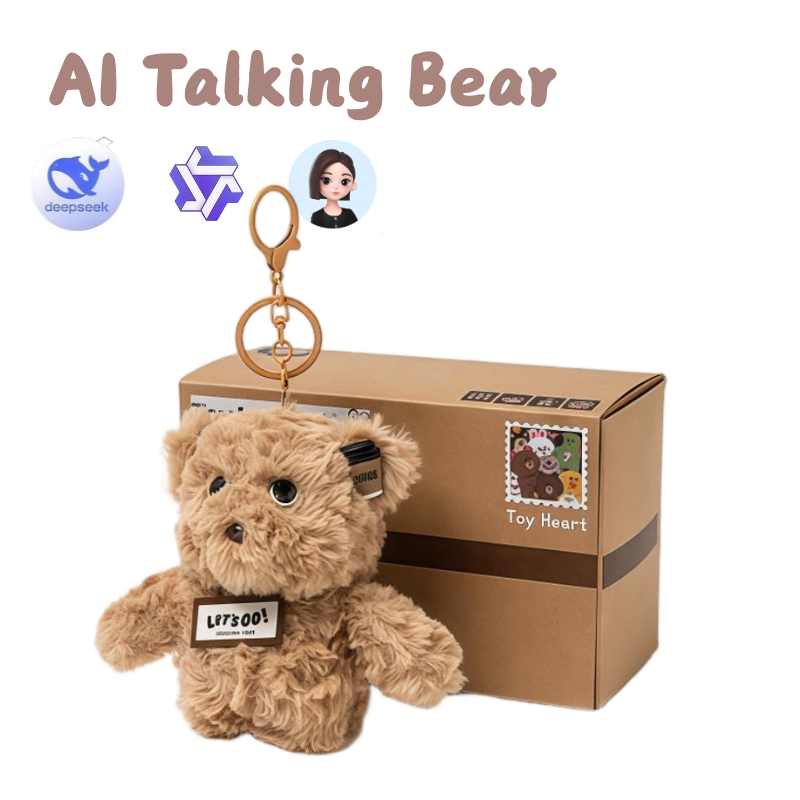
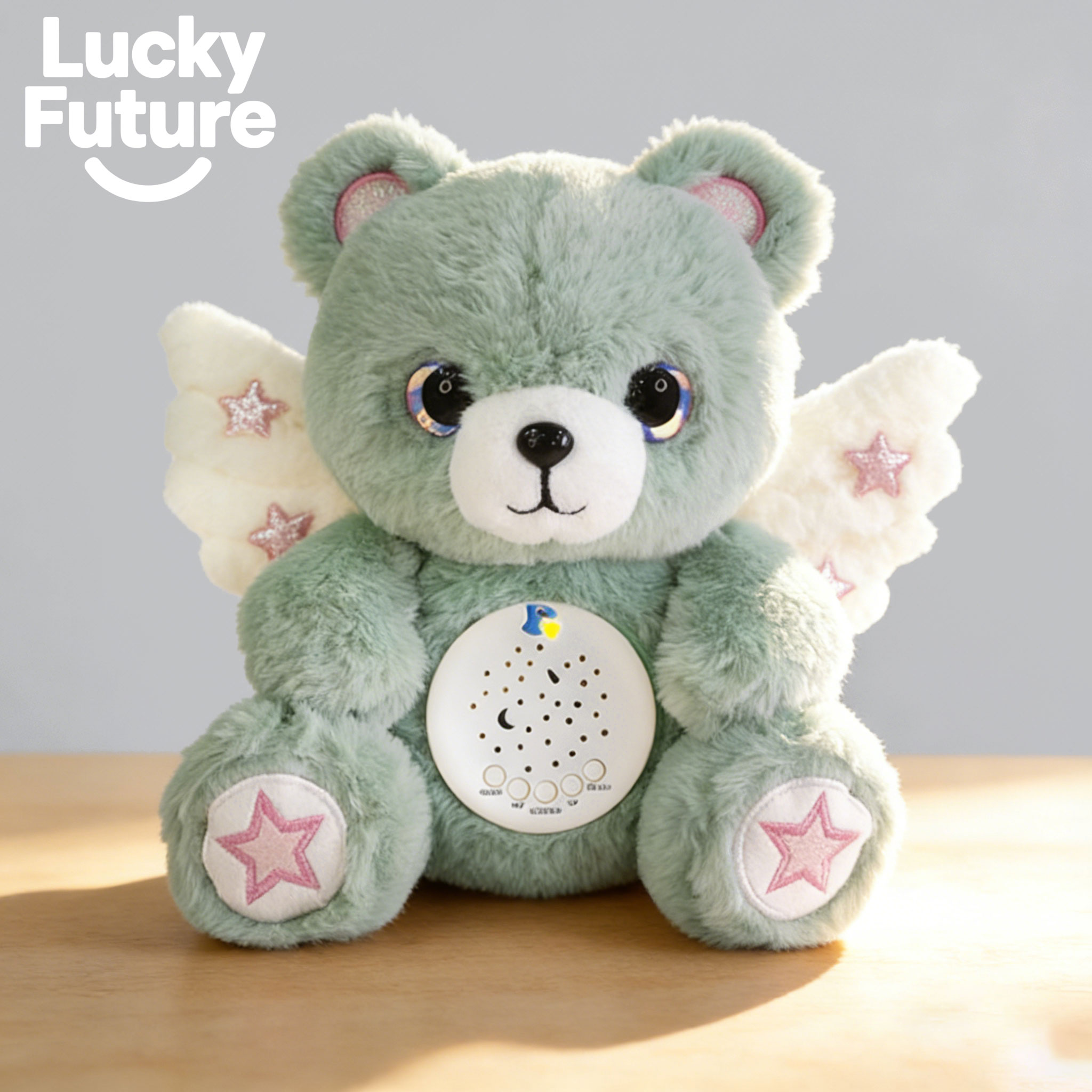
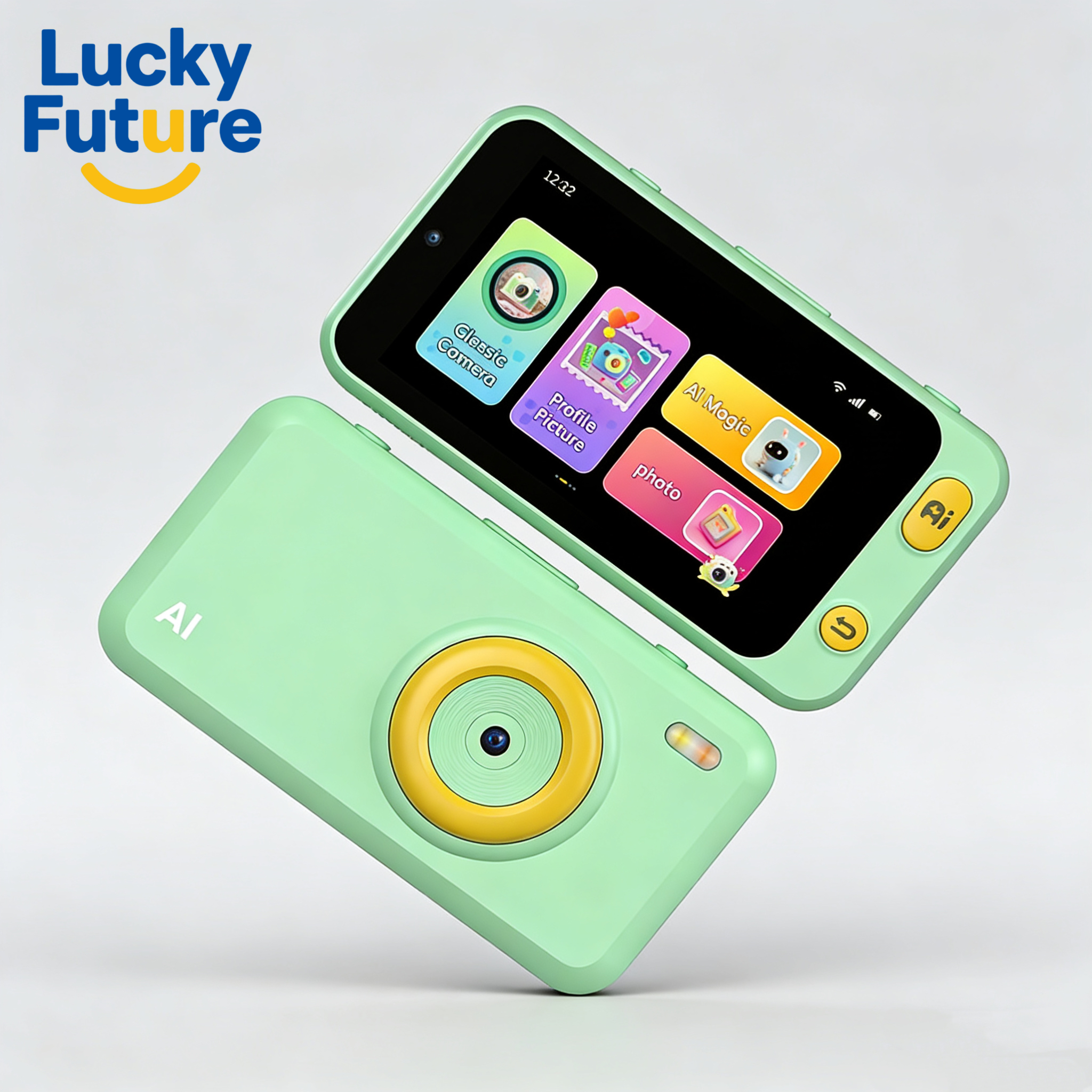
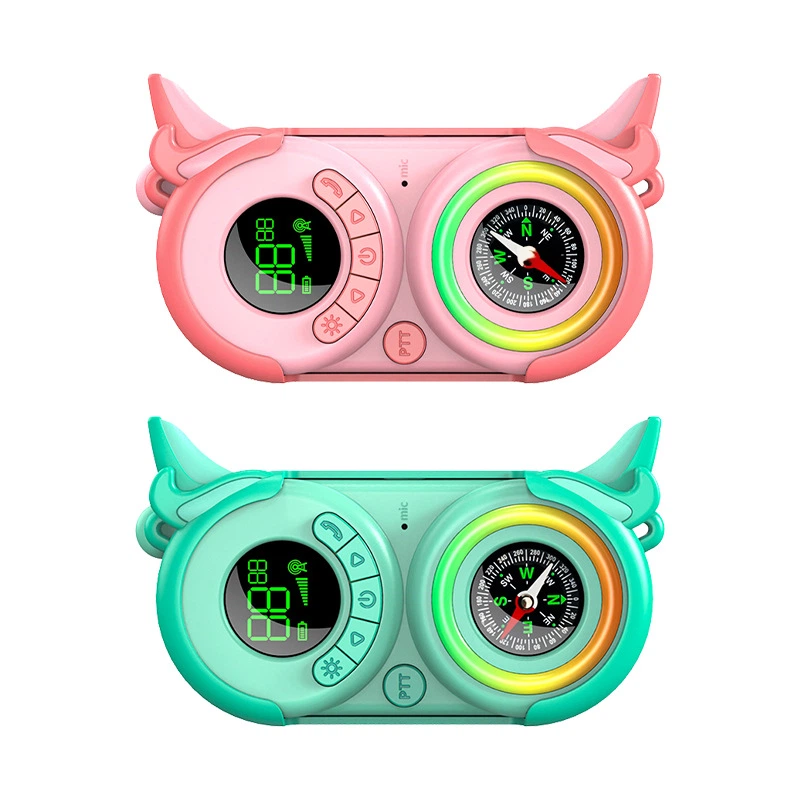


Supplying the San Francisco Bay Area & Silicon Valley EdTech Corridors
Bridging Shenzhen’s agile electronics manufacturing cluster with the exacting computational demands, strict COPPA privacy standards, and pedagogical rigor of Northern California.
The San Francisco Bay Area represents the world’s most concentrated epicenter of technological disruption, early-childhood cognitive research, and venture-backed educational robotics development. From school systems across the San Francisco Unified School District (SFUSD) and private STEM preparatory academies across the Peninsula (from Palo Alto to Menlo Park), down to hardware incubators throughout SoMa and Mission Bay, robotics procurement in this market is fundamentally distinct from conventional toy retail. Bay Area buyers—comprising institutional procurement directors, EdTech brand managers, startup CTOs, and specialized specialty retail merchandisers—do not view robotics merely as playthings. They evaluate hardware as programmable edge-computing micro-nodes that must bridge physical manipulation with computational logic.
As an established programming robots factory and direct tier-1 supplier, Shenzhen Aitoyfun Technology Co., Ltd. resolves the quintessential dilemma facing Bay Area product architects: how to achieve Silicon Valley-grade firmware flexibility, rugged classroom durability, and stringent regulatory compliance while maintaining an aggressive bill of materials (BOM) cost structure. Leveraging our 1,000 m² modern technical headquarters, deep integrations across 200+ specialized manufacturing industrial clusters in the Pearl River Delta, and a multidisciplinary design cadre of 50+ engineers, we provide Bay Area enterprises with rapid prototyping cycles of just 7–10 days and end-to-end manufacturing oversight from Golden Sample sign-off through FOB or DDP dispatch to the Port of Oakland.
Edge-AI Microcontroller Architecture
Bay Area educational programs demand low-latency on-device processing. We build utilizing dual-core ESP32, ARM Cortex-M4, and specialized NPU microcontrollers that handle keyword spotting (KWS), real-time gesture calculation, and closed-loop motor PID control without tethering to cloud servers, fully bypassing child data exposure risks.
Multi-Protocol Cross-Platform Stacks
Seamless integration with modern classroom ecosystems (Chromebooks, iPads, MacOS, and Linux workstations). Our programmable robotics platforms feature multi-channel BLE 5.3 mesh networks, low-power Wi-Fi, and standard serial bridge USB architectures, natively accommodating Scratch 3.0, Blockly, MicroPython, and raw C++ environments.
California Regulatory Compliance Core
Standardized production lines audited to guarantee full adherence to California Proposition 65 (zero lead, cadmium, or ortho-phthalate plasticizers), ASTM F963-17 physical and mechanical hazard specifications, CPSIA heavy metals limits, and FCC Title 47 Part 15 Subpart B radio frequency electromagnetic emissions protocols.
Localized Application Scenarios in Northern California
Examining how our modular robotics, sensory computing kits, and AI companion hardware integrate directly into San Francisco's hyper-dense technical and educational ecosystems.
San Francisco Unified School Classrooms
Designed for heavy multi-student daily rotation across SFUSD public schools and independent prep academies like Hamlin, Lick-Wilmerding, and San Francisco Day School.
- Drop-tested impact-resistant ABS enclosures capable of surviving repeated 1.5-meter concrete falls.
- Color-coded modular breadboard sensors enabling non-solder electronic circuit exploration.
- Zero-login screenless programming card readers designed for young learners aged 4 to 8.
EdTech Accelerators & Prototyping Labs
Serving seed-stage and Series-A educational robotics companies across SoMa, Mission Bay, and South Bay incubators (such as Plug and Play and Y Combinator ecosystems).
- White-label open hardware architecture with accessible UART, I2C, and SPI serial pin breakouts.
- Low-MOQ rapid pilot trial runs allowing founders to validate consumer traction before scale.
- Customizable plastic tooling and precision silicone overmolding executed in 14 to 20 days.
Community Hackerspaces & Coding Camps
Deployments across Bay Area community engineering spaces, robotics summer camps in Berkeley and Sunnyvale, and after-school makerspaces throughout the Peninsula.
- High-torque, metal-gear micro servos capable of supporting complex robotic arm kinematics.
- Full compatibility with ROS (Robot Operating System) nodes via lightweight serial bridges.
- Integrated lithium battery safety modules featuring auto-shutoff and cell thermistor monitoring.
Pediatric Neurodiversity & Tactile Therapy
Specialized adoption across Northern California sensory clinics and occupational therapy centers using communicative plush robotics for emotional engagement.
- Hypoallergenic, ultra-soft antimicrobial plush coverings with fully detachable electronic cores.
- Calibrated acoustic baffles to ensure gentle, non-startling decibel limits safe for sensory sensitivity.
- Tactile pressure-sensing nodes providing soothing haptic feedback during interactive social play.
Emerging Technology Trends in the SF Educational Robotics Market
Anticipating the technological inflections, regulatory mandates, and pedagogical paradigms shaping procurement decisions over the next five years.
Shift from Deterministic Logic to Edge-LLM Agents
The San Francisco tech community is actively pivoting away from rigid, predetermined question-and-answer routines. Next-generation coding robots must feature lightweight quantized on-device small language models (SLMs). Our factory is actively integrating onboard NPU hardware acceleration capable of running local transformer architectures for context-aware conversational feedback, completely isolated from cloud data links to safeguard privacy.
Zero-Trust Data Architectures (COPPA 2.0 & FERPA)
California leads the nation in student biometric and digital footprint governance. Procurement officers from Marin County to San Jose reject hardware requiring continuous cloud telemetries or open microphone access. Our platforms utilize hardwired privacy cut-offs, flash-memory local storage with AES-256 encryption, and offline visual token recognition, ensuring absolute compliance with California Consumer Privacy Act (CCPA) standards.
Screen-Free Tactile Programming Paradigms
Amid mounting parental and institutional backlash against excessive tablet screen time in early childhood education across Silicon Valley, demand has surged for kinesthetic computing interfaces. Our optical-sensor cameras and RFID-enabled robotic units read physical modular programming tiles laid out on wooden table surfaces, translating tactile block sequencing directly into kinematic robotic movement.
Shenzhen Precision Manufacturing Built for Global Brands
Complete end-to-end operational visibility: from custom PCB layout, microcode programming, and high-tolerance injection molds to multi-tier quality control and international container freight logistics.
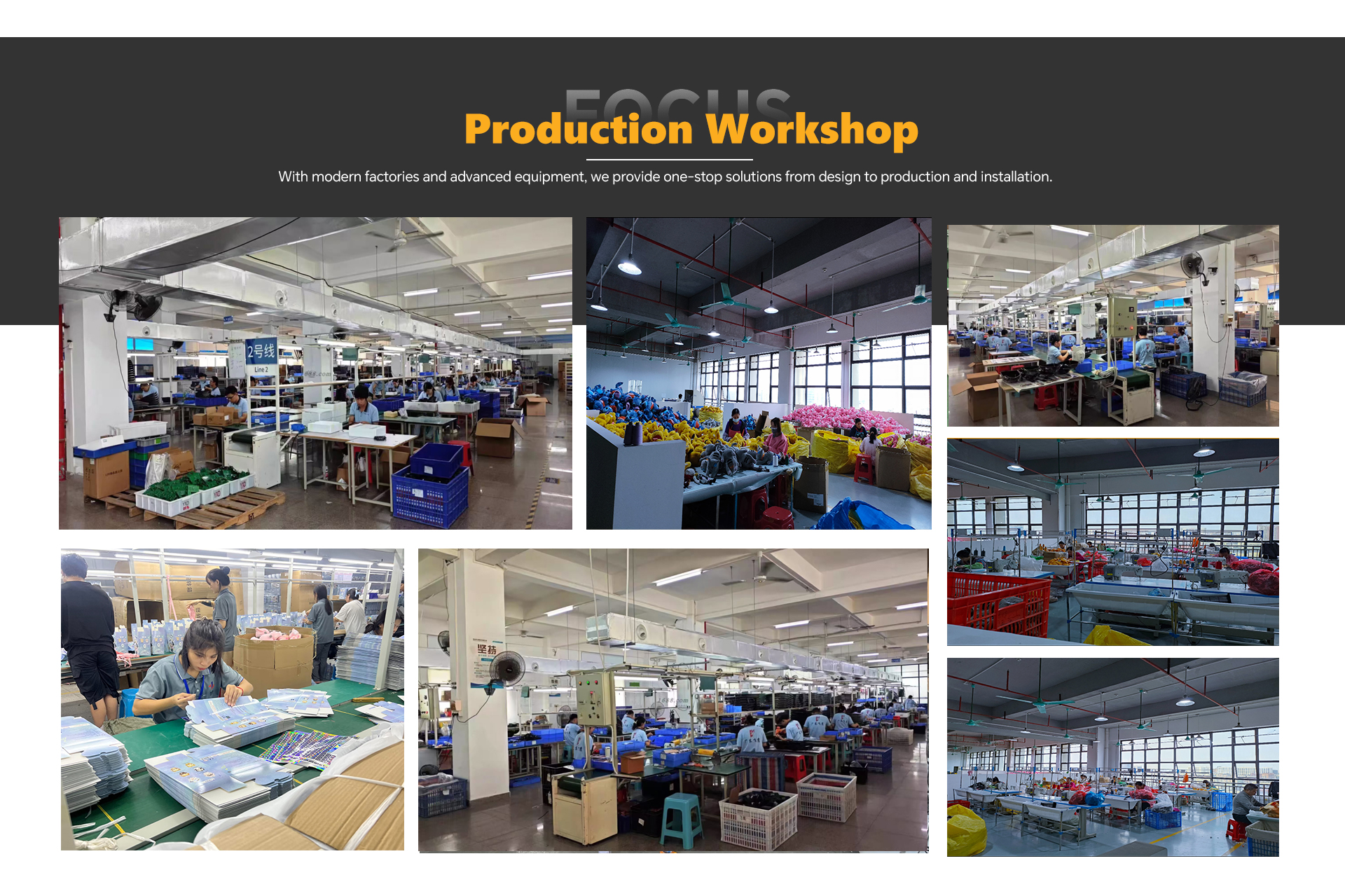
Shenzhen Aitoyfun Technology Co., Ltd. serves as the premier manufacturing bridge between Chinese industrial scale and Western regulatory expectations. While conventional assembly vendors outsource core subassemblies to fragmented third parties, our integrated supply chain controls every stage of the production lifecycle. We maintain on-site electronic surface-mount technology (SMT) lines, high-speed automated placement machines, precision plastic tooling facilities, and specialized electro-acoustic testing rooms.
Every production run dedicated to the North American market passes through a rigorous four-phase verification framework: Incoming Quality Control (IQC) for passive electronic components and battery chemistry; In-Process Quality Control (IPQC) along the assembly workstations; 100% Functional Burn-In testing for all logic circuits, motor drivers, and optical sensors; and Outgoing Quality Assurance (OQA) prior to container stuffing.

7–10 Day Rapid Prototyping
Transform custom CAD schematics and firmware briefs into physical, functional engineering samples in 7 to 10 days. Utilizing high-resolution SLA 3D printing, silicone vacuum casting, and fast-turnaround PCB fabrication, our team ensures your enterprise hits fast product release windows without capital expenditure bottlenecks.
50+ In-House Specialists
Our multidisciplinary engineering cadre spans structural mechanics, low-power RF electrical design, embedded firmware architecture, sensory DSP filtering, and pedagogical game design. We act as a seamless technical extension of your domestic Bay Area product management team.
Consolidated Freight to Oakland / SFO
Complete maritime and air cargo logistics management. We consolidate multi-SKU purchase orders at our central Shenzhen facilities, handle export customs declarations, coordinate ocean freight with scheduled berthing at the Port of Oakland, or arrange express air charters into San Francisco International Airport (SFO).
Frequently Asked Questions by Bay Area Buyers
Detailed technical, operational, and regulatory clarity for hardware product directors, corporate purchasers, and institutional supply chain teams.
All our integrated lithium-ion and lithium-polymer cells undergo accredited UN38.3, UL 1642, and UL 2054 testing prior to assembly. Robotics units shipped to the United States feature dual-protection circuitry (IC + MOSFET) safeguarding against over-charging, deep discharge, high-current draw, and physical shorting. We supply complete UN38.3 test summaries, Material Safety Data Sheets (MSDS), and drop-pack certifications mandatory for ocean freight through the Port of Oakland or air transport via SFO.
Yes. We understand that venture-backed EdTech startups and boutique specialty retailers across Northern California require iterative hardware validations before committing to full 40-foot container volumes. For standard tooling models with customized branding, packaging, and microcode firmware flashes, pilot orders start as low as 300 to 500 units. Fully bespoke injection-molded ODM projects can be initiated with tiered batch commitments.
Every production batch destined for the United States is submitted to certified ISO/IEC 17025 accredited third-party testing laboratories (such as SGS, TÜV SÜD, or Intertek). We provide formal Children's Product Certificates (CPC) supported by test reports demonstrating full non-detectable levels of lead, cadmium, and all phthalates specified under California Health and Safety Code Section 25249.5 (Prop 65), alongside total compliance with ASTM F963-17 physical and flammability parameters.
We enforce stringent intellectual property isolation protocols. Client firmware binaries are transferred through secure PGP-encrypted channels directly to air-gapped automated flashing stations on our production line. Factory microcontrollers are immediately locked using hardware-level Flash Readout Protection (RDP Level 2) and cryptographic fuse-blowing, rendering reverse-engineering and JTAG memory extraction physically impossible after programming.
Yes. We engineer our wireless connectivity stacks around standard Web Bluetooth API (WebBLE) and USB Serial bridge standards. This enables zero-install, browser-based coding environments (such as web-based Scratch 3.0, MakeCode, and Jupyter web notebooks) that run seamlessly across managed Google Chromebook fleets, Apple iPads, and standard macOS laptops without requiring administrative software privileges.
Following Golden Sample sign-off, standard mass production cycles require 25 to 35 calendar days depending on electronic component sourcing lead times. Direct maritime transit from the Shenzhen / Yantian deepwater port to the Port of Oakland typically spans 14 to 18 transit days. We also offer expedited door-to-door air freight services into SFO with transit windows of 4 to 6 business days for time-sensitive seasonal catalog launches.
We provide full turnkey institutional customization. Beyond exterior colorways, pad-printed school crests, and customized classroom storage carry-cases, we customize the robot's sensor expansion payloads (ultrasonic rangefinders, line-tracking arrays, color recognizers), inject custom voice audio prompt libraries, and construct tailored lesson-plan hardware mats adapted to specific state educational rubrics.
We operate flexibly under Incoterms 2020 including FOB (Shenzhen/Hong Kong), CIF (Oakland), and full DDP (delivered duty paid directly to your Bay Area warehouse facility). We accept wire settlements in USD, EUR, and CNY. Additionally, all institutional contracts include 1% to 2% critical spare parts allocation (servos, cables, chassis clips) alongside 24/7 dedicated engineering support through our global service desks.
Accelerate Your Robotics Roadmap for the San Francisco Market
Whether you need a rapid 7-day engineering prototype, a custom microcode build for classroom deployment, or full container manufacturing to the Port of Oakland, our factory team is ready to deliver.