Featured AI Smart Hardware & Interactive Learning Robotics
Engineered in Shenzhen's hardware corridor, optimized for Tokyo's pedagogical frameworks and retail spaces. Each SKU supports low-noise operation, native Japanese voice engine flashing, and strict DEN-AN safety protocol compliance.
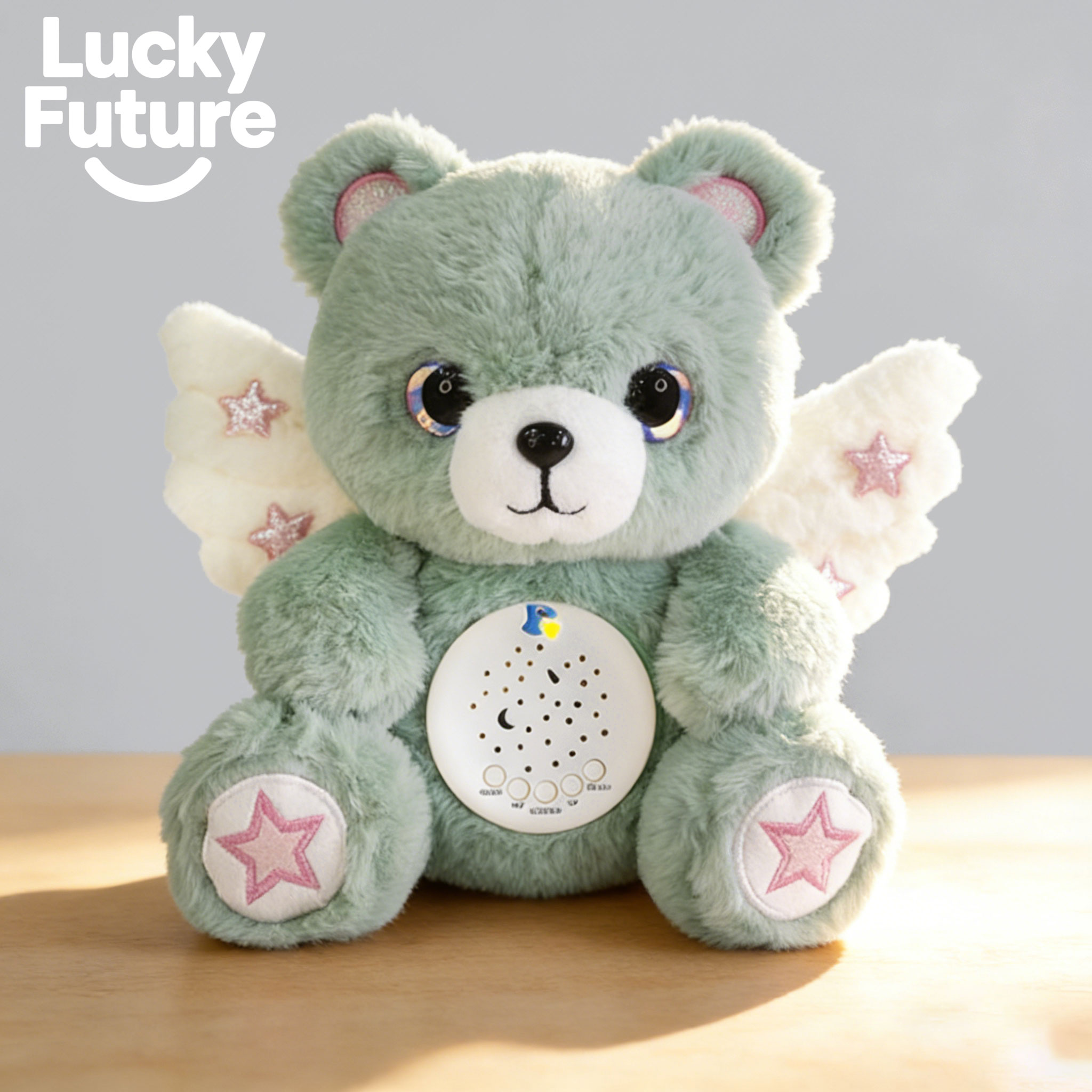
Pre School AI Educational Bear Plush Toy with Music & LED Lighting
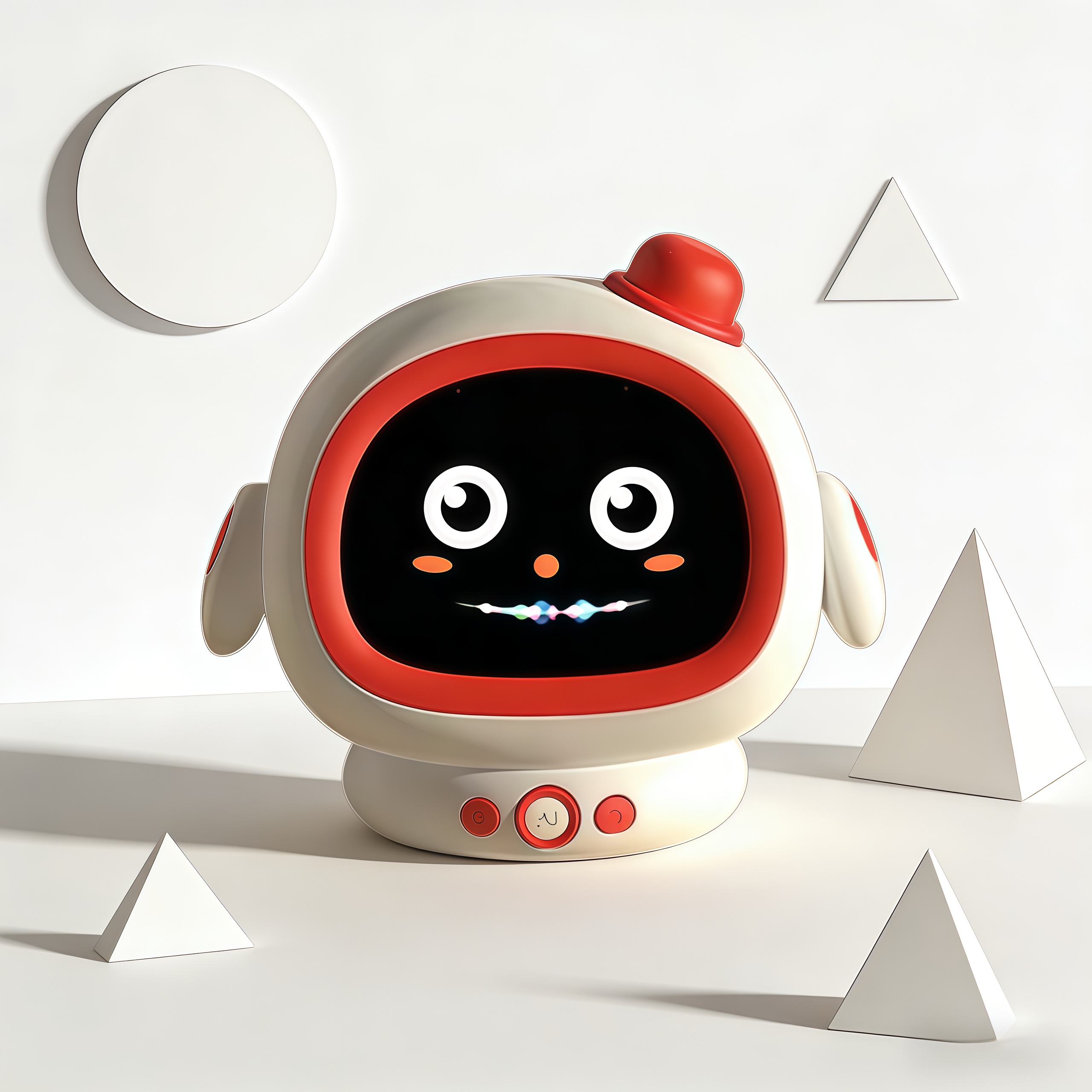
Intelligent Interactive Time Manager Robot Dog Alarm Clock
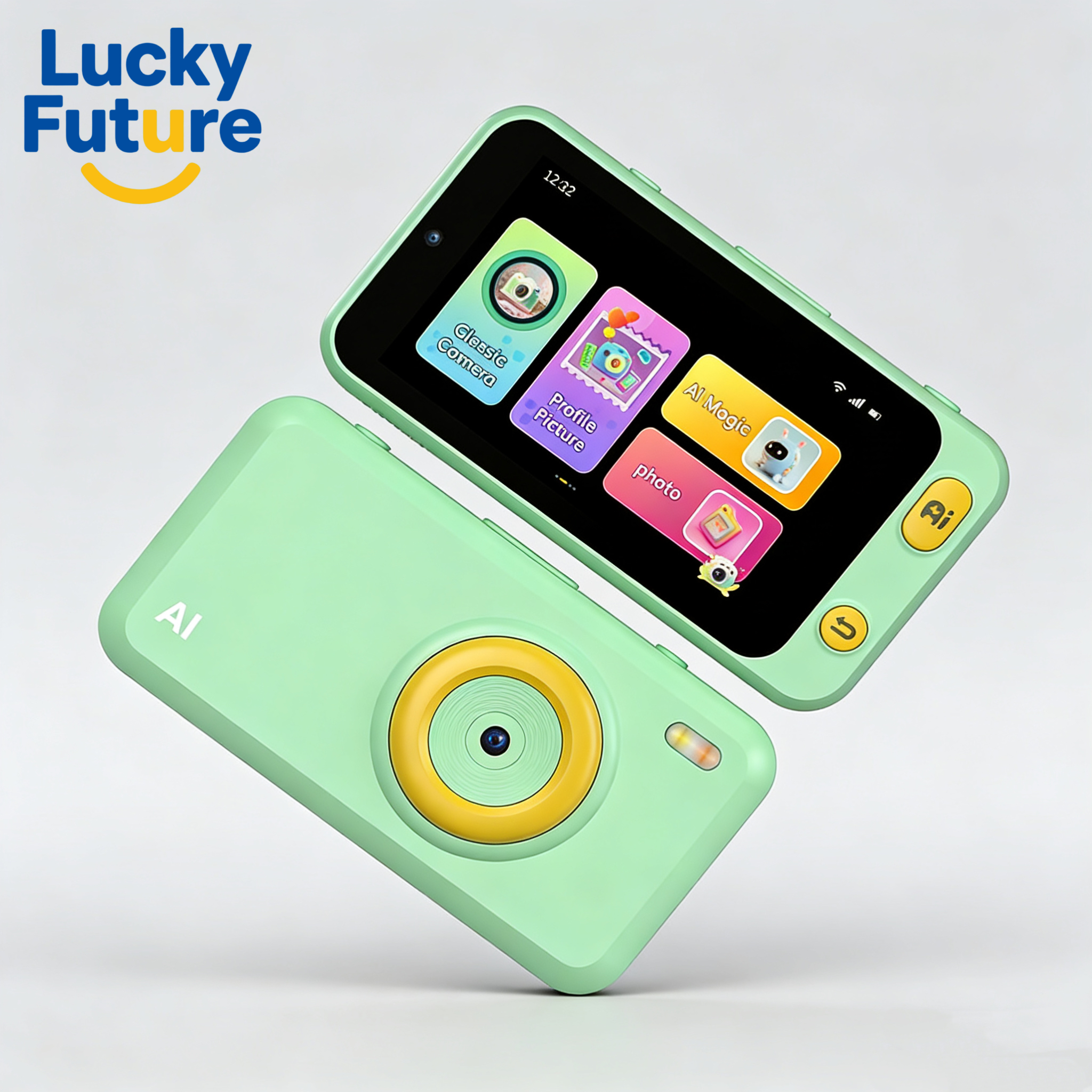
Kids AI Toy Camera with Language Learning & Object Recognition
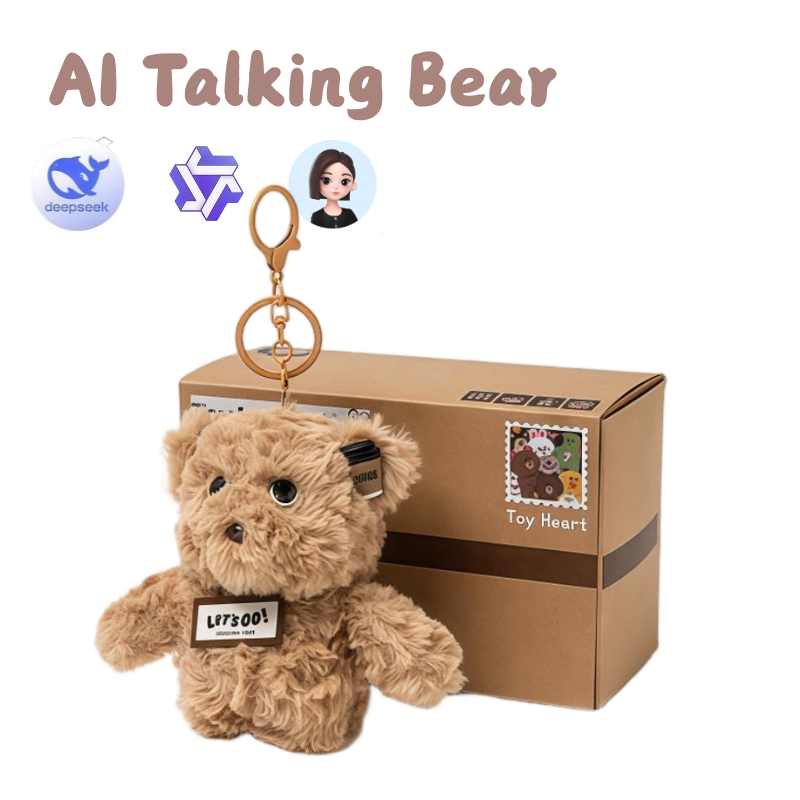
Interactive AI Talking Bear Plush Keychain Companion Doll
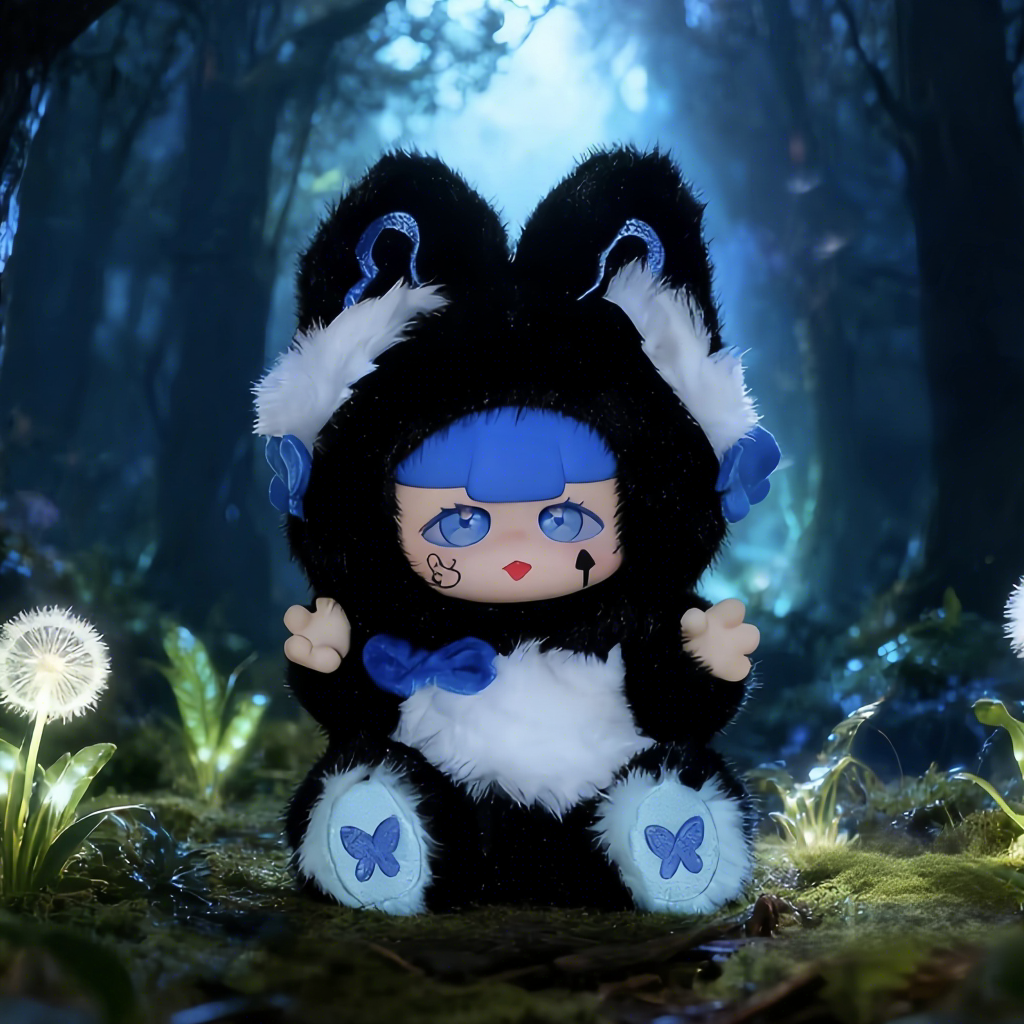
MOMO Whisper Craft Smart Interactive Companion Dialogue Robot
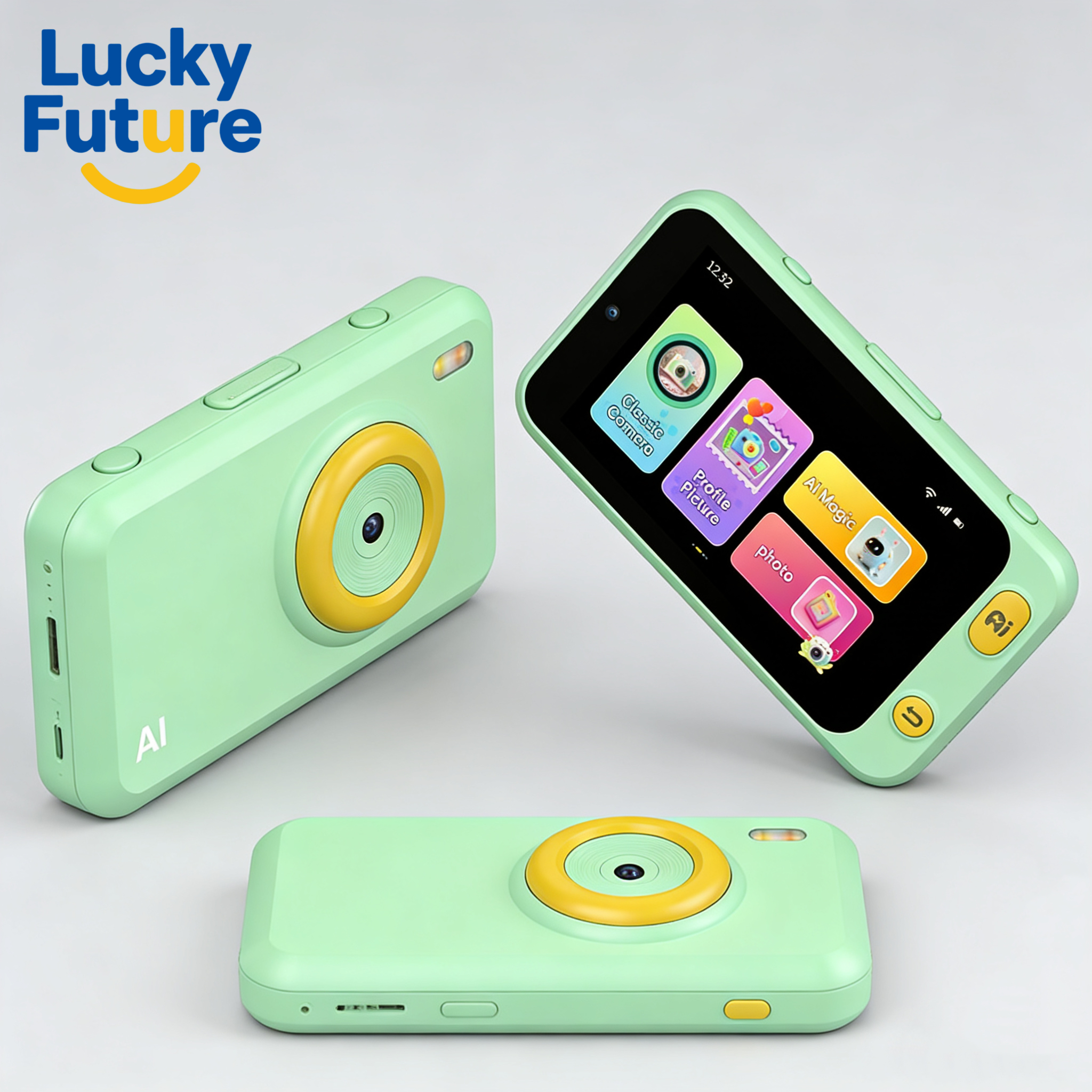
AI Educational Toy Camera with Optical Projection & Games
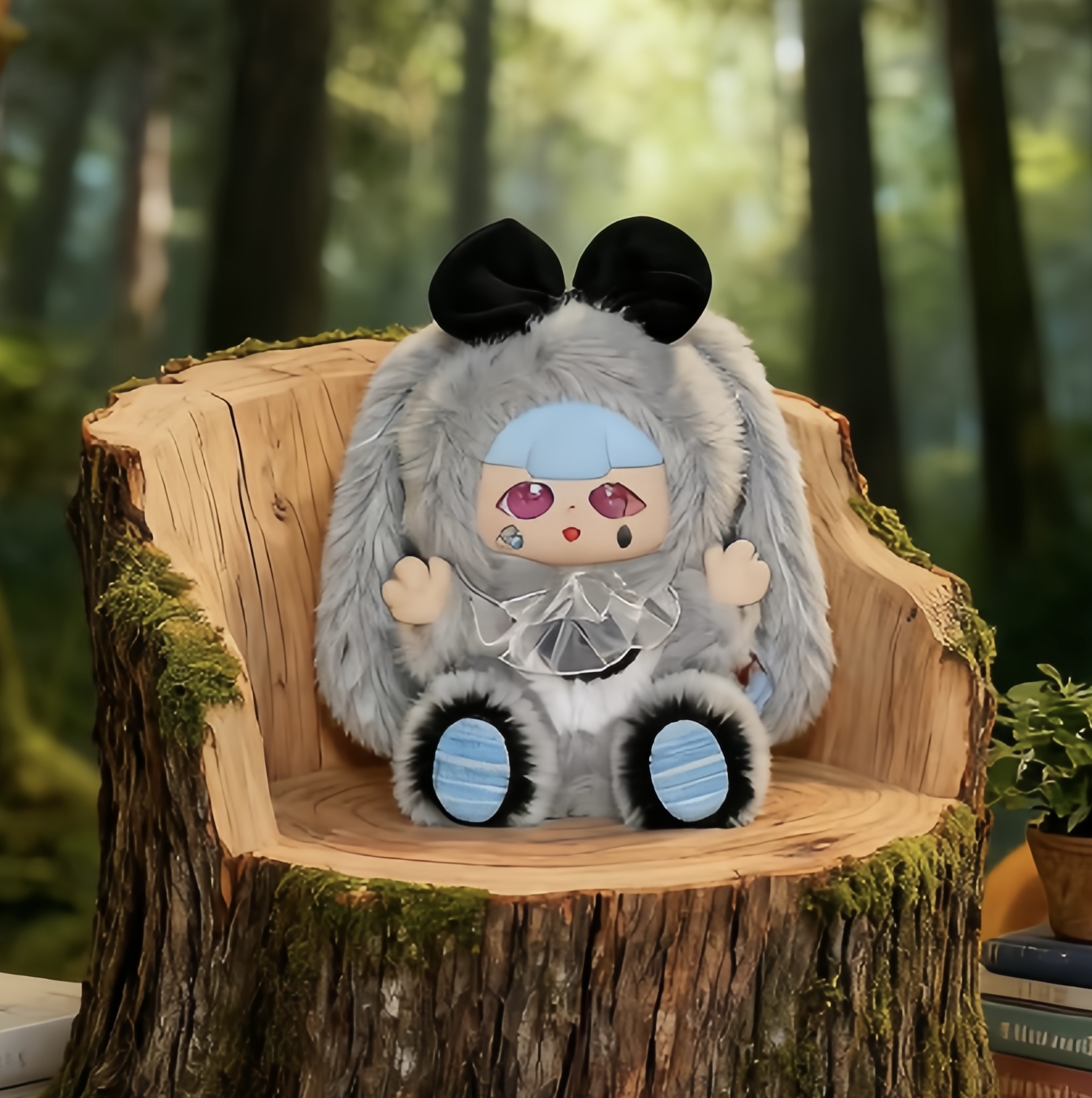
MOMO Interactive Emotion Recognition Voice Plush Companion
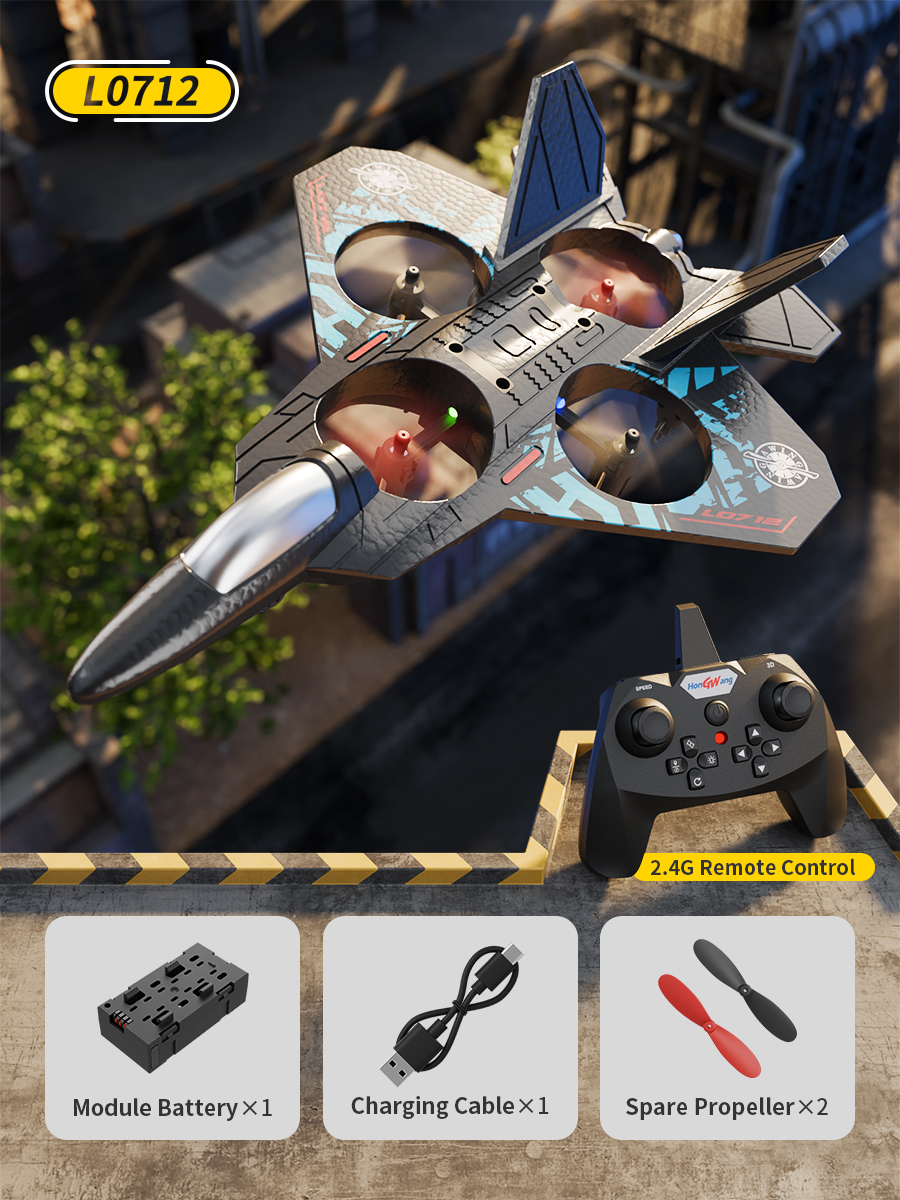
Electric Foam Fixed-Wing 2.4GHz Remote Control Glider
Navigating the Tokyo Smart Toy Landscape: Demographics, GIGA School, and Edge Processing
Tokyo presents one of the world's most sophisticated and demanding consumer ecosystems for connected hardware. Characterized by the profound demographic shifts of Shoushikakou (declining birth rate coupled with an aging society), Japanese expenditure per child has expanded dramatically—an economic reality recognized across the retail sector as the "Six Pockets" phenomenon (where parents, grandparents on both maternal and paternal sides, and relatives concentrate capital on high-value, durable educational products). For enterprise toy importers, retail chain buyers in Ginza and Shinjuku, and consumer electronics distributors across Kanto, importing generic toys is no longer viable. Success demands customized hardware built around spatial ergonomics, strict regulatory safety, and nuanced Japanese socio-cultural behaviors.
The regulatory threshold in Japan functions as an absolute market barrier. Connected smart toys utilizing Wi-Fi (2.4GHz / 5GHz) or Bluetooth Low Energy (BLE) must strictly satisfy the TELEC certification under the Ministry of Internal Affairs and Communications (MIC) Radio Law (Giteki mark). Concurrently, smart toys incorporating rechargeable lithium-ion polymer batteries must bear valid PSE (Product Safety of Electrical Appliance & Material) marks under the DEN-AN Law to prevent internal cell thermal runaway. Aitoyfun provides end-to-end laboratory alignment with accredited test houses, ensuring that PCB antenna layouts, transmission decibel limits, and fire-retardant enclosures arrive fully documented and cleared for Tokyo customs clearance without port detention.
Moreover, the alignment with Japan's GIGA School Concept—promoted vigorously by the Ministry of Education, Culture, Sports, Science and Technology (MEXT)—has driven demand for tangible STEAM devices that interface with tablet-based classroom environments. Japanese parents prioritize toys that balance screen time with screen-free, tactile interaction. Products like our AI Vision Learning Cameras and Speech Interaction Robotic Bears leverage lightweight on-device edge computing models. By keeping speech recognition inference localized or routed through encrypted latency-optimized endpoints in Tokyo (AWS ap-northeast-1), our devices guarantee complete compliance with Japan’s strict Act on the Protection of Personal Information (APPI), safeguarding children’s voice data from offshore leakage.
Targeted Tokyo Application Scenarios
How Aitoyfun's smart toy portfolio integrates into modern Japanese lifestyle dynamics and retail channels.
High-Density Urban Apartments (Mansion Living)
Tokyo households reside predominantly in shared architectural spaces where acoustic insulation is a critical social consideration. Aitoyfun engineers smart audio playback systems with precision acoustic throttling capped below 65 dBA, meeting both JIS S 4001 guidelines and neighborhood etiquette expectations. Compact, stackable footprints allow seamless storage in micro-nurseries throughout Minato, Setagaya, and Koto wards.
Acoustic Throttling & Compact FormPrivate Juku & Early STEAM Prep Academies
With hyper-competitive entrance exams starting at the kindergarten level across the Kanto plain, after-school cram schools (Juku) require intuitive hardware that teaches phonics, spatial logic, and natural science without distraction. Our object recognition cameras and intelligent time management robots offer offline flashcard recognition, habit formation trackers, and progressive difficulty settings calibrated to early-childhood developmental milestones.
Bilingual Phonics & STEM LogicAkihabara & Harajuku "Iyashi" Adult Companion Market
The Japanese market displays a unique convergence between children's toys and young-adult emotional healing (Iyashi). Our blind-box plush robots (MOMO Whisper Craft) feature soft-touch capacitive tactile sensors and micro-conversational empathy engines. They tap directly into the bustling lifestyle retail channels of Shibuya, character cafes, and department store pop-ups catering to solo urban professionals.
Emotional AI & Collectible IPJapan Toy Importation Compliance & Standards Matrix
Enterprise-level regulatory mapping for custom clearance at Yokohama and Tokyo container terminals.
| Certification / Protocol | Regulatory Body / Law | Technical Scope & Aitoyfun Implementation | Import Status |
|---|---|---|---|
| ST Mark (Safety Toy) | Japan Toy Association (JTA) | ST-2016 / ST-2024 compliance: Mechanical & physical safety tests (Part 1), Flammability barrier tests (Part 2), Chemical safety tests for phthalates, heavy metals, and colorants (Part 3). | Pre-Certified Protocols |
| TELEC (Giteki Mark) | MIC Radio Law (Article 38-24) | Pre-certified 2.4GHz Wi-Fi / Bluetooth Low Energy (BLE) transceivers. Spurious emission attenuation, output power control, and technical certification label engraving directly on hardware casings. | Mandatory Hardware Clear |
| PSE Diamond / Circle | METI (DEN-AN Law) | Lithium polymer batteries subjected to continuous charging, vibration, impact, thermal cycling, and crush testing. Integrated over-charge/discharge Seiko protection IC circuits. | Full Documentation Pack |
| APPI Child Data Privacy | Personal Information Protection Commission | Strict child privacy compliance: Zero biometric face image storage; on-chip audio feature extraction; zero telemetry logging without guardian authorization; optional 100% offline edge models. | Privacy By Design |
| Food Sanitation Act (JFSL) | Ministry of Health, Labour and Welfare | Mandatory for baby/toddler toys intended for ages under 36 months (e.g. teething/mouthing). Formal testing on ABS plastics, silicone buttons, and plush textile dye migration. | Lab Verified (SGS/TUV) |
Shenzhen Precision Hardware Meets Japanese Quality Demands
Operating out of Shenzhen's premier hardware clusters, Aitoyfun unites advanced electronics design with robust industrial supply chain execution. We maintain dedicated engineering teams specializing in firmware development, acoustic tuning, mechanical mold fabrication, and automated SMT assembly. We bridge the gap between rapid Chinese hardware agility and Japanese zero-defect standards (Poka-Yoke).
- 100% Comprehensive QC: Incoming component inspection (IQC), in-line SMT testing (IPQC), and pre-shipment functional acoustic checks (OQC).
- Custom Firmware & Localization: Native Japanese phonetic prompt flashing, localized audio compression, custom wake-words, and packaging artwork adaptation.
- Tokyo Sea & Air Corridors: Direct freight lines from Shenzhen/Hong Kong to Tokyo Port and Yokohama Pier (4–6 days maritime transit) with full export customs management.
- Multi-Currency Terms: Flexible commercial billing supporting JPY, USD, and EUR via standard FOB, CIF, or DDP Yokohama/Tokyo incoterms.
B2B Sourcing FAQ for Tokyo Importers & Toy Brands
Critical operational, technical, and regulatory questions answered for professional Japanese purchasing teams.
We integrate pre-certified TELEC modules (with assigned Giteki ID numbers) into our wireless product architectures. For fully bespoke ODM hardware developments, we handle complete testing protocols in collaboration with registered foreign certification bodies (RCB) and laser-engrave the compliance mark alongside the assigned technical number directly on the shell molding.
We understand the necessity for market validation in Tokyo before committing to volume retail scaling. For existing platform SKUs requiring custom Japanese acoustic sample flashing, custom packaging, and Japanese-language user manuals, our pilot MOQs start as low as 500 to 1,000 units, scaling seamlessly to full 20ft/40ft container loads as market velocity grows.
We follow "Privacy by Design" under APPI requirements. Our conversational toys utilize edge wake-word processing so microphones remain completely dormant until activated. Audio data transmitted for LLM processing is anonymized, encrypted via TLS 1.3, processed through regional cloud instances, and never retained for model retraining without verifiable parental opt-in consent.
Yes. Tokyo retail environments demand pristine aesthetic presentation. We supply structural packaging design with eco-friendly FSC-certified paper, magnetic gift-box closures, blister packs made from recyclable PET, precise Japanese barcode printing (JAN codes), and legally mandated recycling symbols (Plamark and Paper-mark regulations).
Following golden sample confirmation, initial mass production runs typically conclude within 25 to 30 days. Sea freight from Shenzhen or Hong Kong to Tokyo/Yokohama takes approximately 4 to 6 days on direct lines, ensuring rapid inventory replenishment for seasonal retail peaks such as Golden Week, Summer Obon, and Christmas sales.
All structural enclosures undergo physical drop testing from 1.38 meters onto steel plates, torque testing, and tension tests to ensure no small detachment hazards arise (ST Part 1). Internal lithium batteries incorporate dual PTC/NTC safety thermistors and are isolated within fire-retardant structural internal bays to pass ST Part 2 flammability and METI PSE battery impact trials.
Partner with China's Premier Smart Toy Manufacturer for the Tokyo Market
Whether you are expanding a consumer electronics brand, developing educational STEAM hardware for Japanese schools, or launching collectible conversational AI companions, Aitoyfun provides end-to-end design, rapid 7–10 day prototyping, zero-defect manufacturing, and frictionless Japanese export compliance.
Send an Inquiry